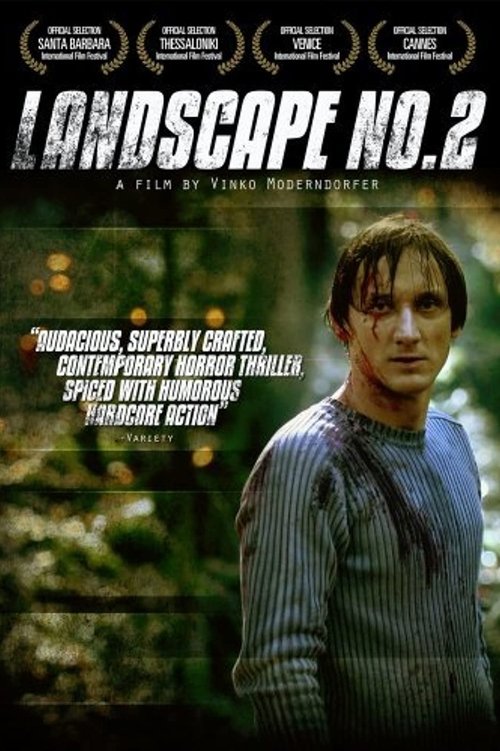
Landscape No. 2
2008
No user ratings available yet
Representation score: 4.4 out of 10
Representation Score
Fair
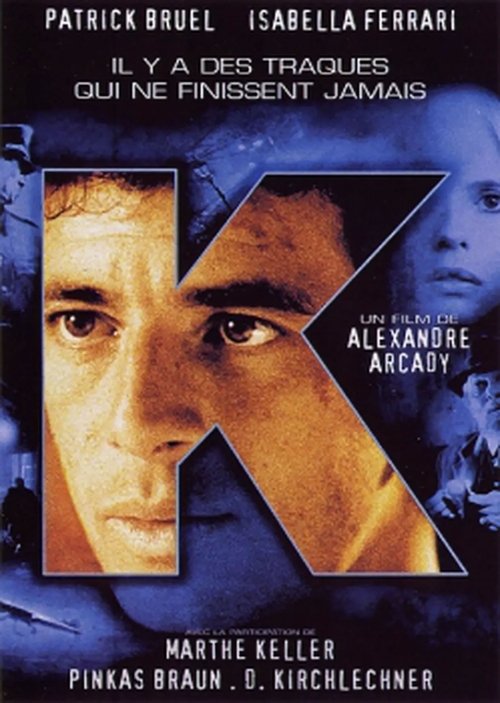
1997
Director
Alexandre Arcady
Runtime
135 minutes
Average Rating
No ratings yetNew Showbiz Analysis
K is a crime thriller that uses a dual-timeline structure to explore the lingering impacts of the Holocaust. It succeeds by centering the systemic theft of cultural identity and the recovery of art stolen from French Jews. The film's strength lies in its refusal to adhere to simplistic moral binaries. By deconstructing the heroic detective cliché through Bellamy's situational ethics, the narrative offers a sophisticated critique of historical power structures. However, the film remains limited by a lack of diversity in other areas. The focus on traditional relational dynamics and the absence of LGBTQ+ or disability representation results in a narrower social scope.
Category Breakdown
The film focuses on heterosexual relationships and historical justice. There are no representations of non-binary or LGBTQ+ identities.
Female characters play important roles in the emotional storyline, but their influence is often tied to male characters. They act as emotional guides for the men’s moral dilemmas.
The film explores ethnic identity through the lens of historical victimization. It centers on the experiences of French Jews by focusing on the recovery of Nazi-stolen art.
The story engages with moral relativism and critiques institutional corruption. It prioritizes the reclamation of stolen heritage over preserving traditional, often corrupt, power structures.
There are no prominent depictions of visible or invisible disabilities that serve as central narrative drivers in the film.
Present on Screen
Limited or Absent
Official Synopsis
In this French crime film, set during the time of the Gulf War, an elderly German tourist is murdered in Paris by junk dealer Joseph Katz (Pinkas Braun), a friend of Paris detective Sam Bellamy (singer Patrick Bruel). Romantically involved with the victim's daughter Emma Guter (Isabella Ferrari), Bellamy covers up the crime he witnessed. Joseph then mysteriously vanishes, and Bellamy heads for Berlin where the victim's possessions are auctioned. After Bellamy finds the source of the well-hidden traffic in art stolen by Nazis from French Jews, he discovers a Nazi war criminal is blackmailing past associates. Incorporating background from journalist Hector Feliciano's Lost Museum, the film is adapted from Guy Konopnicki's novel, Pas de Kaddish pour Sylberstein (No Kaddish for Sylberstein).
2008
1976
1977

1946

2007
1974

1998
2019
No reviews yet. Be the first to share your thoughts on this movie!
Use the rating form above to leave a star rating and optional review.