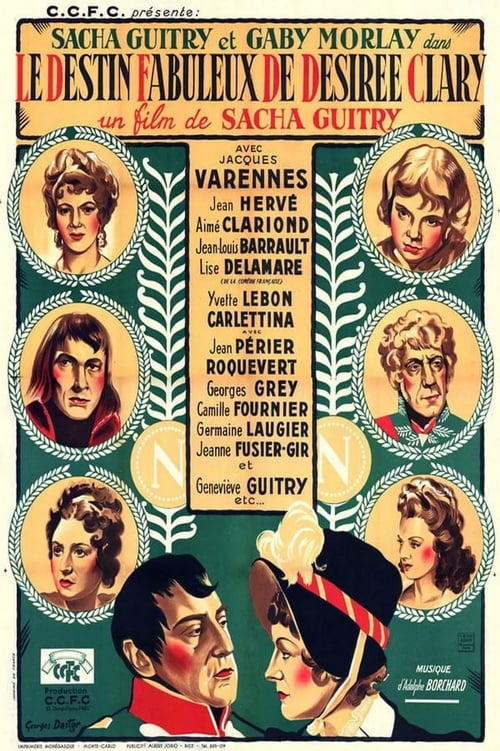
Mlle. Desiree
1942
No user ratings available yet
Representation score: 1.4 out of 10
Representation Score
Limited
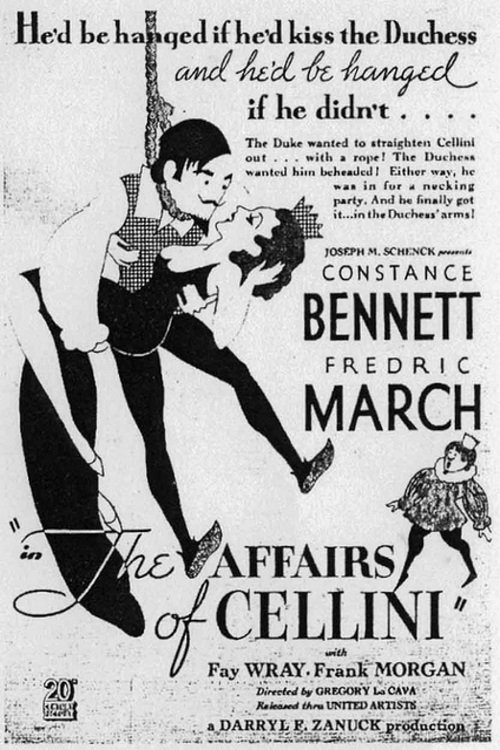
1934
NRDirector
Gregory La Cava
Runtime
80 minutes
Average Rating
No ratings yetNew Showbiz Analysis
The film serves as a transitional piece of Pre-Code cinema that prioritizes individual desire over rigid social structures. While it lacks modern multi-layered breadth, it disrupts traditional gendered power dynamics. However, the work remains limited by the era's casting constraints, lacking meaningful representation of LGBTQ+ identities and diverse ethnic perspectives.
Category Breakdown
The story focuses on heterosexual relationships and there are no explicit depictions of LGBTQ+ identities. The narrative does not include any characters identifying as LGBTQ+.
The Duchess of Florence plays a significant role in driving the story by actively pursuing her desires. She challenges traditional gender hierarchies by taking control of her own life and actions.
The film reflects the casting norms of 1930s Hollywood for a 16th-century Italian setting. It lacks diverse ethnic perspectives, focusing instead on a homogeneous European aristocracy.
The plot challenges the sanctity of marriage and state authority through themes of betrayal and corruption. It frames disruption through artistic temperament rather than moral condemnation.
No visible or invisible disabilities are portrayed as central to the character arcs or the progression of the plot.
Present on Screen
Limited or Absent
Official Synopsis
The 16th-century sculptor woos the Duchess of Florence despite the duke.
1942
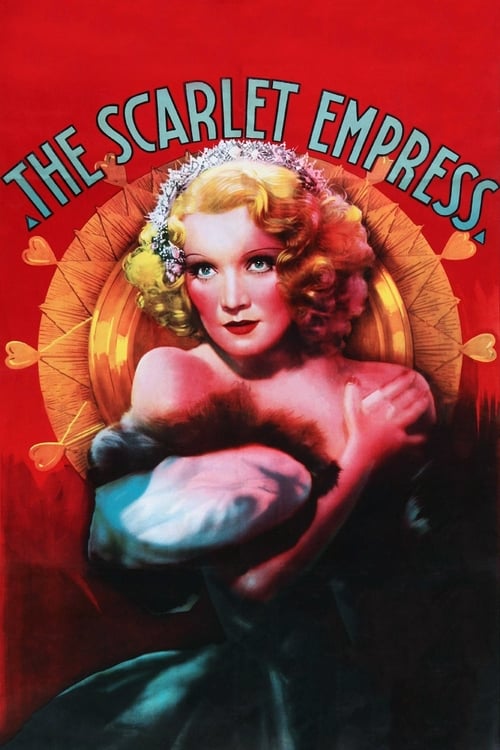
1934

1938
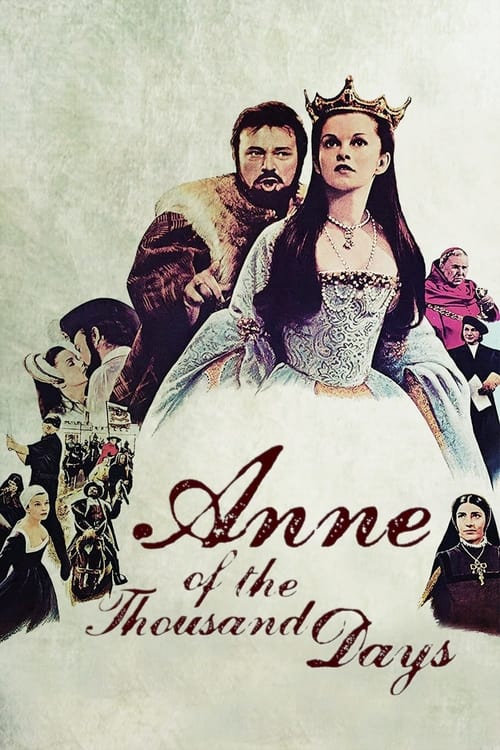
1969
1956
1955
1952
1986
No reviews yet. Be the first to share your thoughts on this movie!
Use the rating form above to leave a star rating and optional review.