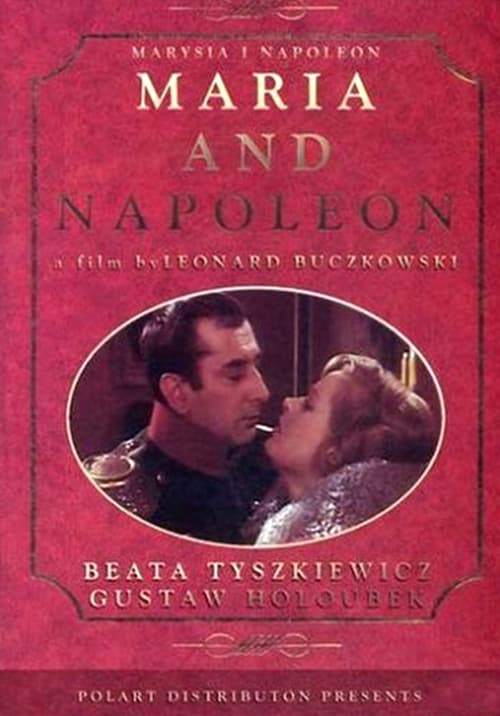
Maria and Napoleon
1966
No user ratings available yet
Representation score: 1.2 out of 10
Representation Score
Limited
1961
Director
Christian-Jaque
Runtime
98 minutes
Average Rating
No ratings yetNew Showbiz Analysis
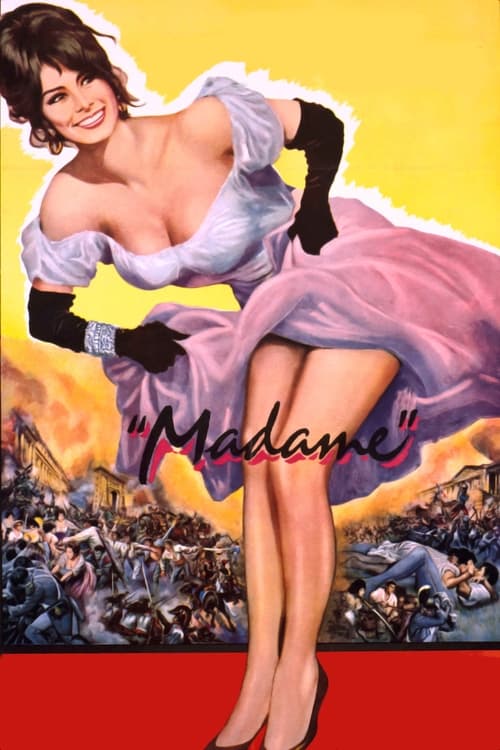
Madame (1961) is a character-driven film that explores social friction and class mobility. Its primary strength lies in its subversion of gendered expectations, as the female protagonist uses her unrefined personality to challenge the restrictive norms of the nobility. However, the film is limited by its historical homogeneity, lacking racial and LGBTQ+ diversity. It presents a strictly European and straight-centered worldview typical of its period setting. Ultimately, the film's progressive value is tied to its gendered subversion rather than a broad spectrum of characters who reflect more than one aspect of diversity.
Category Breakdown
The film reflects the straight-centered social structures of the early 19th century, with no representations of same-sex relationships or non-binary gender identities.
Catherine Hubscher challenges traditional gender roles by actively disrupting the social hierarchy. She rejects the submissive behavior expected of aristocratic women, defying patriarchal norms.
The cast is predominantly white and European, reflecting the historical context. The film portrays a society without significant non-white characters.
The narrative examines social mobility within the Napoleonic era, focusing on the journey from commoner to noble status. It critiques the rigidity of aristocratic social structures.
There are no prominent depictions of physical or neurodivergent disabilities used as central plot devices or character traits.
Present on Screen
Limited or Absent
Official Synopsis
Catherine Hubscher, who washes the shirts of young Napoleon and other soldiers fighting the Revolution, falls in love with Sergeant Lefebvre. Circumstances bring Lefebvre a noble title and even more -- Napoleon decides to make him the local ruler over a large territorial fiefdom. But trouble brews when Madame Sans-Gene, now elevated to the nobility along with her man -- cannot keep her frank observations under control.
1966
1955
1942
2000
1954
2018

1954

1962
No reviews yet. Be the first to share your thoughts on this movie!
Use the rating form above to leave a star rating and optional review.