Let’s Go Up the Champs-Élysées
1938
No user ratings available yet
Diversity score: 3.1 out of 10
1939
NRDirector
Irving Cummings
Runtime
97 minutes
Average Rating
No ratings yetSynopsis
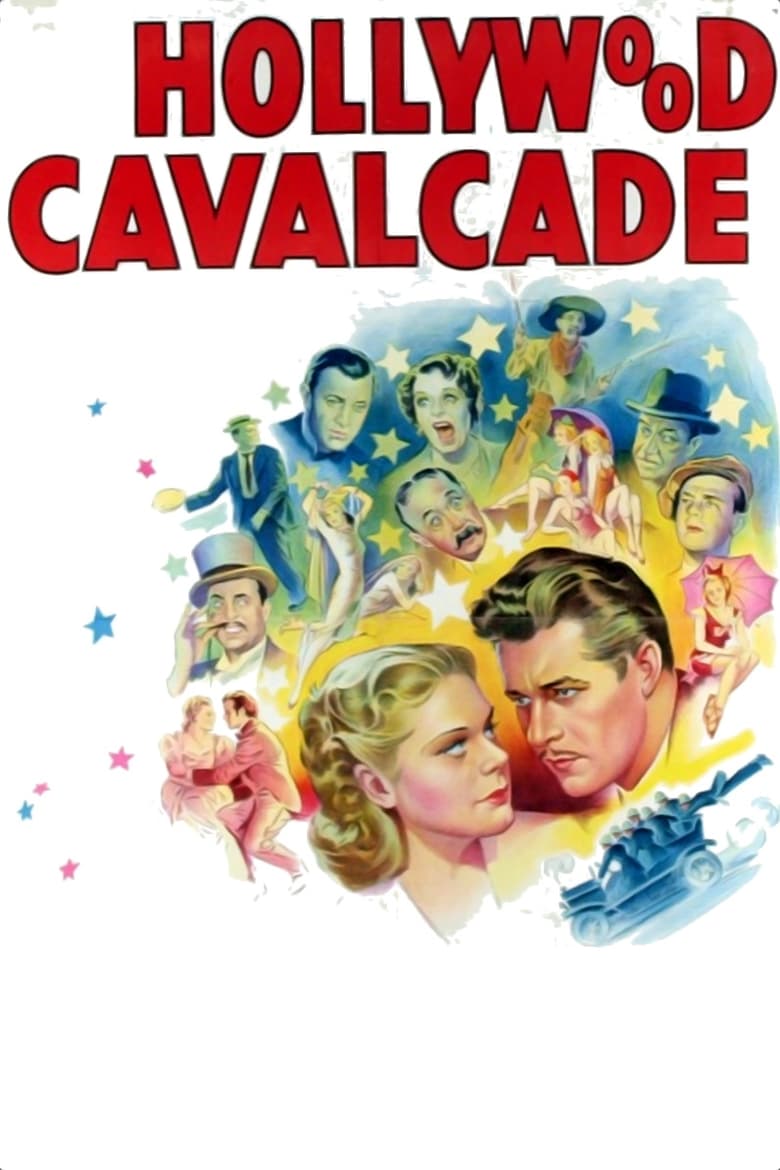
Starting in 1913 movie director Connors discovers singer Molly Adair. As she becomes a star she marries an actor, so Connors fires them. She asks for him as director of her next film. Many silent stars shown making the transition to sound.
Overall Score
Limited
Category Breakdown
LGBTQ+ Representation
The film lacks any discernible presence of non-cisnormative gender identities or same-sex intimacy. It adheres strictly to the heteronormative standards of the 1930s.
Gender Representation
While Molly Adair exerts professional agency, her success is framed within traditional starlet-director dynamics. The narrative reinforces hierarchies where professional life is tied to romantic partnerships.
Racial & Ethnic Diversity
The cast is largely homogeneous, reflecting the era's casting practices. There is no evidence of significant racial blending or characters of color with high agency.
Religious & Cultural Diversity
The film celebrates the glamour of the studio system without critiquing capitalism or traditional institutions. It reinforces the prestige of the cinematic profession through conventional morality.
Disability Representation
There is no significant evidence of characters with disabilities being portrayed with agency. The focus remains on the idealized physical beauty of the stars.
Strengths
Areas for Improvement
AI Analysis
Hollywood Cavalcade serves as a nostalgic industry revue, celebrating the transition from silent films to sound. It functions as a historical artifact of the 1939 studio system, prioritizing industry glamour over social critique. The film adheres to the period's traditional social norms and character archetypes. It lacks intersectional complexity, opting for a conventional portrayal of Hollywood life that reinforces established hierarchies. Ultimately, the production lacks representation for marginalized identities, focusing instead on the professional and romantic trajectories of the established Hollywood elite.
No reviews yet. Be the first to share your thoughts on this movie!
Use the rating form above to leave a star rating and optional review.