
The Apple Pushers
2012
No user ratings available yet
No diversity score available
2017
TV-14Director
Johanna B. Kelly
Runtime
84 minutes
Average Rating
No ratings yetSynopsis
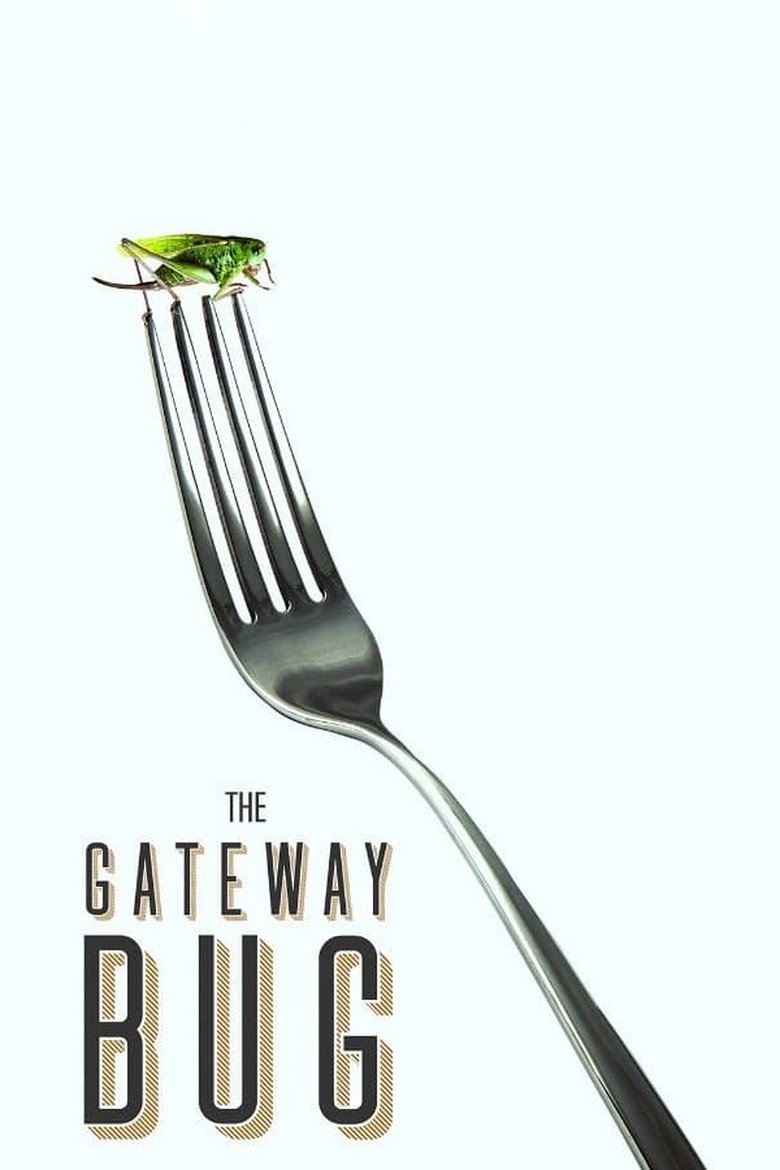
Over 2 billion people on earth eat insects for protein. The Gateway Bug explores how changing daily eating habits can feed humanity in an uncertain age, one meal at a time.
Overall Score
Fair
Category Breakdown
LGBTQ+ Representation
The documentary focuses on nutritional science and global food security. It contains no LGBTQ+ characters or narratives addressing non-cisnormative identities.
Gender Representation
Representation remains neutral, focusing on the expertise of researchers and practitioners. The film avoids traditional gendered tropes or the subversion of gender hierarchies.
Racial & Ethnic Diversity
The film highlights dietary practices rooted in non-Western cultures. By centering insect consumption, it disrupts Eurocentric views of acceptable protein and validates Global South traditions.
Religious & Cultural Diversity
The narrative challenges the industrial capitalist food complex. It advocates for a shift in habits that aligns with anti-capitalist critiques and ecological morality.
Disability Representation
There is no discernible focus on physical or neurodivergent representation within the film's thematic overview.
Strengths
Areas for Improvement
AI Analysis
The Gateway Bug succeeds in deconstructing Western culinary hegemony by framing entomophagy as a sophisticated global survival strategy. It moves away from Eurocentric dietary standards to validate diverse cultural traditions as essential for future food security. However, the film lacks identity-based storytelling. It does not engage with LGBTQ+ narratives, gender-specific arcs, or disability representation, focusing instead on ecological and nutritional science. Ultimately, the documentary functions as a cultural critique of systemic food structures rather than a study of individual identity politics.
2012
2017

2003

2018
2020
2015
2020
2015
2011

2020

2016

2007
No reviews yet. Be the first to share your thoughts on this movie!
Use the rating form above to leave a star rating and optional review.