
Morecambe Church Lads' Brigade at Drill
1901
No user ratings available yet
Representation score: 0.2 out of 10
Representation Score
Minimal
1904
Runtime
1 minutes
Average Rating
No ratings yetNew Showbiz Analysis
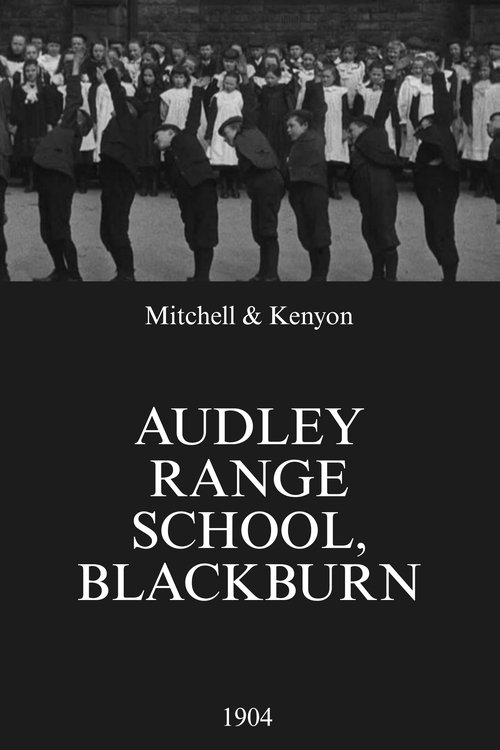
This 1904 archival documentary serves as a historical artifact of Edwardian pedagogical methods rather than a work designed for modern representation. It captures a moment of high social conformity and institutional discipline. The film emphasizes synchronized physical education, which prioritizes uniformity over individual identity. This focus on standardized movement naturally excludes diverse expressions of gender, disability, or non-traditional identities. Ultimately, the film reflects the demographic and social realities of early 20th-century Lancashire. It documents the reinforcement of foundational institutions rather than offering a critique of them.
Category Breakdown
The footage shows children performing repetitive physical movements. There is no indication of individual identity exploration or non-traditional gender expressions.
The film portrays children in a highly structured, disciplined environment. It reflects the era's adherence to traditional social structures and regulated physical training.
The cast appears ethnically homogeneous, reflecting the demographic reality of a Lancashire school in 1904. It lacks the racial diversity seen in modern media.
The film serves as a portrait of early 20th-century institutional life. It emphasizes social cohesion and traditional Western educational values through disciplined, synchronized movement.
The footage highlights physical conformity through almost perfect unison. There is no visible evidence of neurodivergent representation or the inclusion of individuals with physical disabilities.
Present on Screen
Limited or Absent
Official Synopsis
Lancashire children perform physical education exercises in (almost) perfect unison.
1901

2002
1896
1896
1905
1963
1896
1897
No reviews yet. Be the first to share your thoughts on this movie!
Use the rating form above to leave a star rating and optional review.