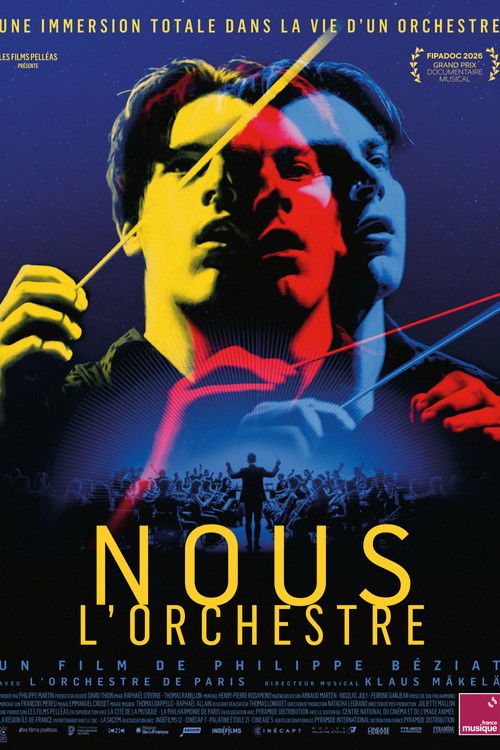
Nous l'orchestre de Paris
2026
No user ratings available yet
Representation score: 0.0 out of 10

Representation Score
Limited
1973
Director
William Fertik, Allan Miller
Runtime
26 minutes
Average Rating
No ratings yetNew Showbiz Analysis
The Bolero serves as a celebratory documentary of musical excellence, focusing on the technical and artistic processes of the Los Angeles Philharmonic. Its main goal is the observational documentation of Ravel's masterpiece rather than social commentary. While the film adheres to a traditional institutional framework, the presence of Zubin Mehta offers a meaningful disruption of the era's conductor archetypes. This provides a layer of racial diversity within a Western classical setting. Ultimately, the film's dedication to preserving Western art forms leads to a traditional representation rather than a narrative that restructures these traditions.
Category Breakdown
The documentary does not feature explicit LGBTQ+ character stories or narratives. It avoids negative stereotypes but does not include visible representations of non-traditional gender identities.
The film showcases a traditional professional orchestral environment from the 1970s. It reflects typical institutional settings of that time without challenging established gender roles.
Zubin Mehta’s role as a conductor of Indian descent disrupts the traditional Anglo-Saxon archetype. His presence suggests a meritocratic integration within the orchestra.
The film emphasizes the mastery of Western classical traditions. It celebrates the excellence of a traditional cultural institution without addressing social critiques.
There is no visible evidence of physical or neurodivergent disabilities being portrayed within the film's documentation of the orchestra.
Present on Screen
Limited or Absent
Official Synopsis
The first part of this Academy Award-winning short consists of a behind-the-scenes look at the Los Angeles Philharmonic Orchestra as it prepares to perform Ravel's "Bolero." Individual musicians offer their thoughts as workers set up chairs and music stands; there are also comments by conductor Zubin Mehta and scenes of Mehta and the orchestra rehearsing. The rest of the film features a complete performance of "Bolero" with striking images of the orchestra as the music relentlessly approaches its climax.
2026
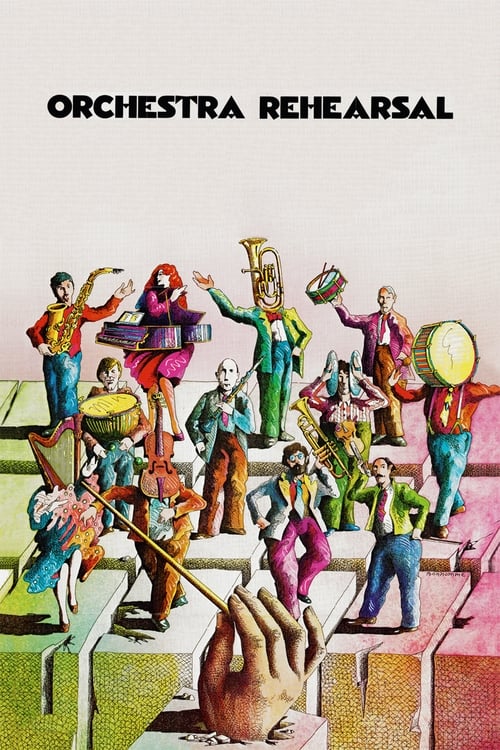
1979
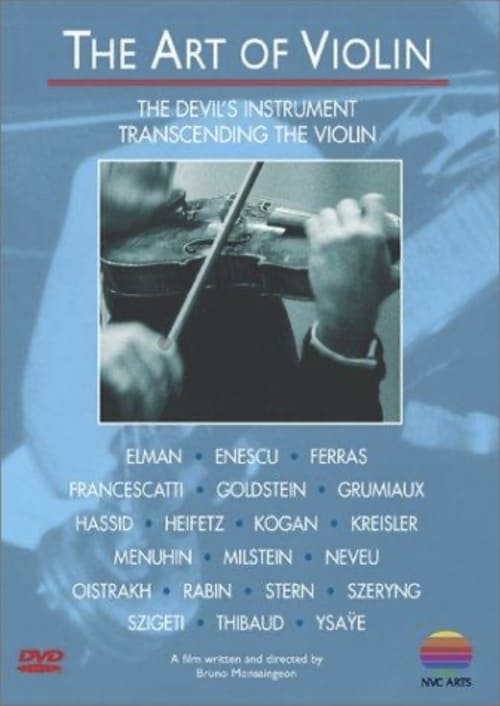
2000
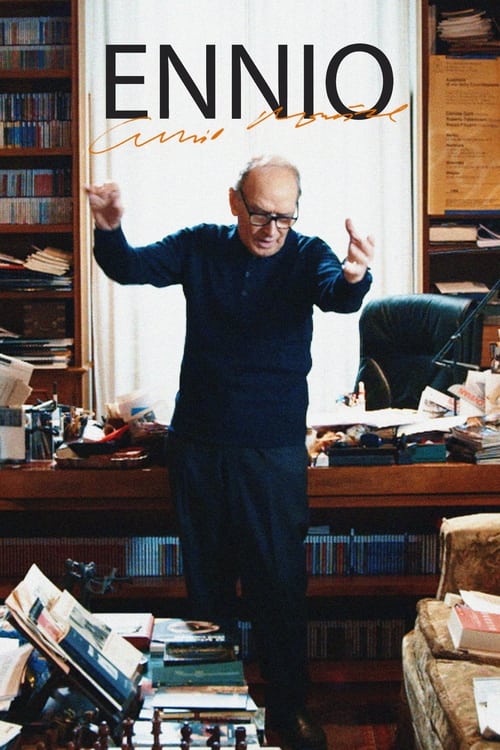
2022
1985
1999

2020
2009
No reviews yet. Be the first to share your thoughts on this movie!
Use the rating form above to leave a star rating and optional review.