
The Bolero
1973
No user ratings available yet
Representation score: 3.3 out of 10
Representation Score
Minimal
2026
Director
Philippe Béziat
Runtime
90 minutes
Average Rating
No ratings yetNew Showbiz Analysis
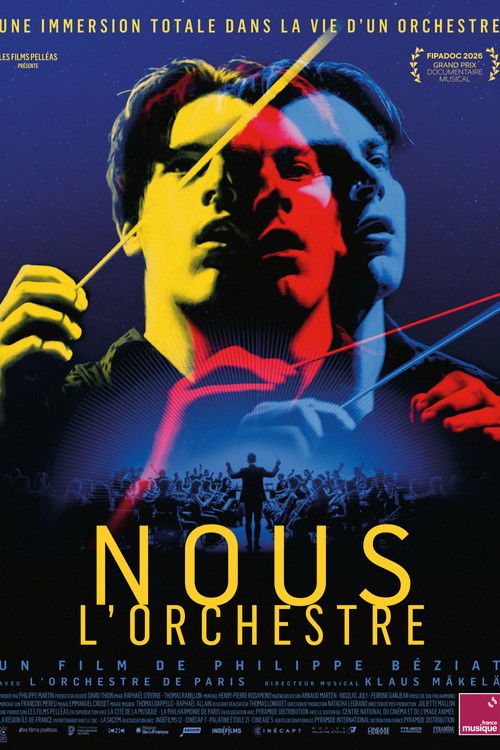
The documentary offers an intimate look at the Orchestre de Paris under conductor Klaus Mäkelä. It captures the emotional and creative process of making music, emphasizing collaboration and artistic unity. However, the available material lacks specific details about the musicians' identities, backgrounds, or relationships. The film’s focus on the collective experience of the orchestra overshadows individual representation. While it provides a compelling glimpse into the world of classical music, it does not delve into the diverse experiences of its members. This absence limits the depth of its representation across various categories. Overall, the documentary succeeds in portraying the beauty and complexity of orchestral life. Yet, its lack of specific character details and demographic information results in a limited exploration of diversity. The film’s strength lies in its immersive portrayal of musical creation rather than its representation of diverse identities.
Category Breakdown
The documentary centers on the Orchestre de Paris and conductor Klaus Mäkelä. No LGBTQ+ characters or relationships are identified in the available material. The film’s focus remains on musical collaboration rather than personal identities.
The film profiles an orchestra of 80 musicians. No specific information about gender roles or leadership dynamics is provided in the source material. The narrative emphasizes collective artistry over individual gender representation.
The cast lists the Orchestre de Paris and conductor Klaus Mäkelä. No details regarding the racial or ethnic composition of the orchestra are available. The documentary prioritizes the creative process over demographic specifics.
The film explores classical music and the role of a conductor. No specific cultural, religious, or political themes are identified in the provided context. The focus remains on the universal language of music.
The documentary follows the daily life of the Orchestre de Paris. No characters with disabilities are mentioned in the available information. The narrative highlights musical excellence without addressing accessibility or disability representation.
Present on Screen
Limited or Absent
Official Synopsis
How can people play together as one? How can one contribute to something greater than oneself? How can a group cohabitate for decades without falling apart? And what role does the conductor really play? For the first time, cameras and microphones slip among the 80 musicians of the Orchestre de Paris, under the baton of their young prodigy conductor, Klaus Mäkelä. A total immersion to share their experiences, emotion and beauty, at the heart of music in the making.
1973
2018
2011
2021
2009

2020

2023
2022
No reviews yet. Be the first to share your thoughts on this movie!
Use the rating form above to leave a star rating and optional review.