
El virus del poder
1988
No user ratings available yet
Representation score: 2.6 out of 10
Representation Score
Fair
1975
Director
Bernardo Arias
Runtime
83 minutes
Average Rating
No ratings yetNew Showbiz Analysis
The film's key strength lies in its subversion of traditional gender power dynamics. By placing a woman in a position of leadership over a male-dominated group, it challenges the conventional expectations of authority in cinema. However, the film falls short in terms of characters who reflect more than one aspect of diversity. It lacks significant racial or LGBTQ+ diversity and focuses on a localized, homogeneous group within a traditional European setting. While the narrative explores themes of situational ethics and institutional authority, it remains confined to established horror clichés, which limits its broader cultural impact.
Category Breakdown
The film does not explicitly depict same-sex relationships or non-binary gender identities. The isolated social environment of the castle does not provide clear indications of LGBTQ+ characters or themes.
A woman leads a group of men, breaking traditional patriarchal structures. This shift places her in a position of authority over the male group, highlighting her control and influence.
The story focuses on a homogeneous group within a European historical context. There is no indication of diverse casting or a non-white majority cast.
The narrative delves into subjective morality by having characters enforce their own sense of justice. However, it relies heavily on traditional medieval torture clichés commonly found in horror genres.
There is no information about the inclusion or portrayal of characters with physical or neurodivergent disabilities.
Present on Screen
Limited or Absent
Official Synopsis
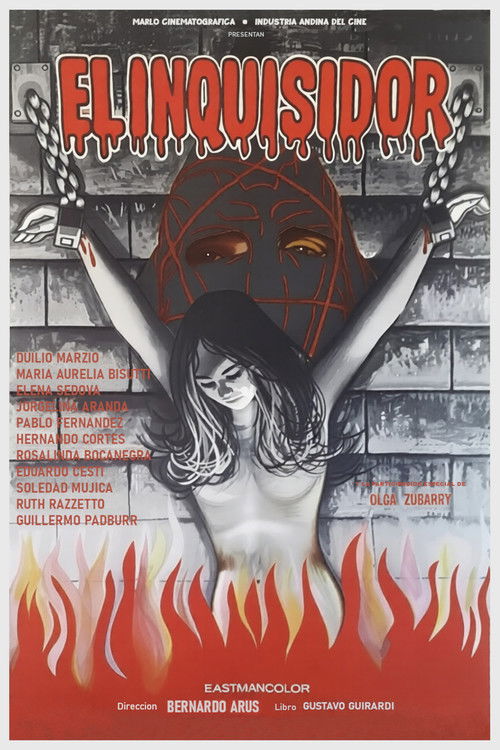
A small group of men lead by a woman reside in an old castle and kidnap women they believe are "loose" subjecting them to medieval tortures. One day they kidnap two women who happen to be real witches.
1988
1964
1980

1970

1975
1961
1971

1944
No reviews yet. Be the first to share your thoughts on this movie!
Use the rating form above to leave a star rating and optional review.