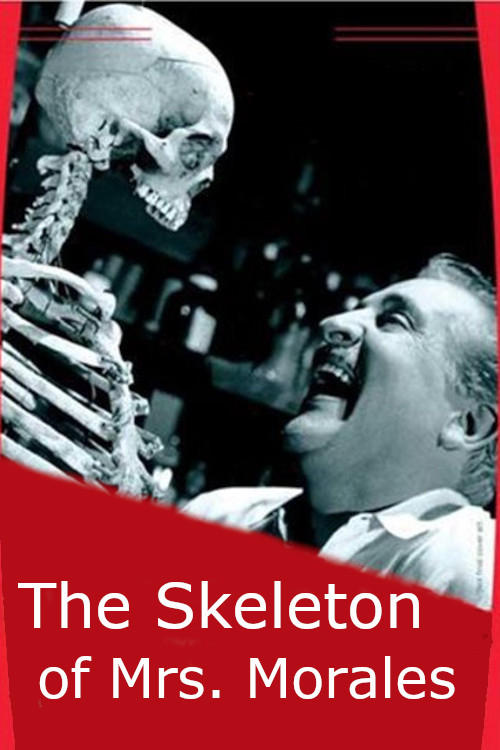
The Skeleton of Mrs. Morales
1960
No user ratings available yet
Diversity score: 3.6 out of 10
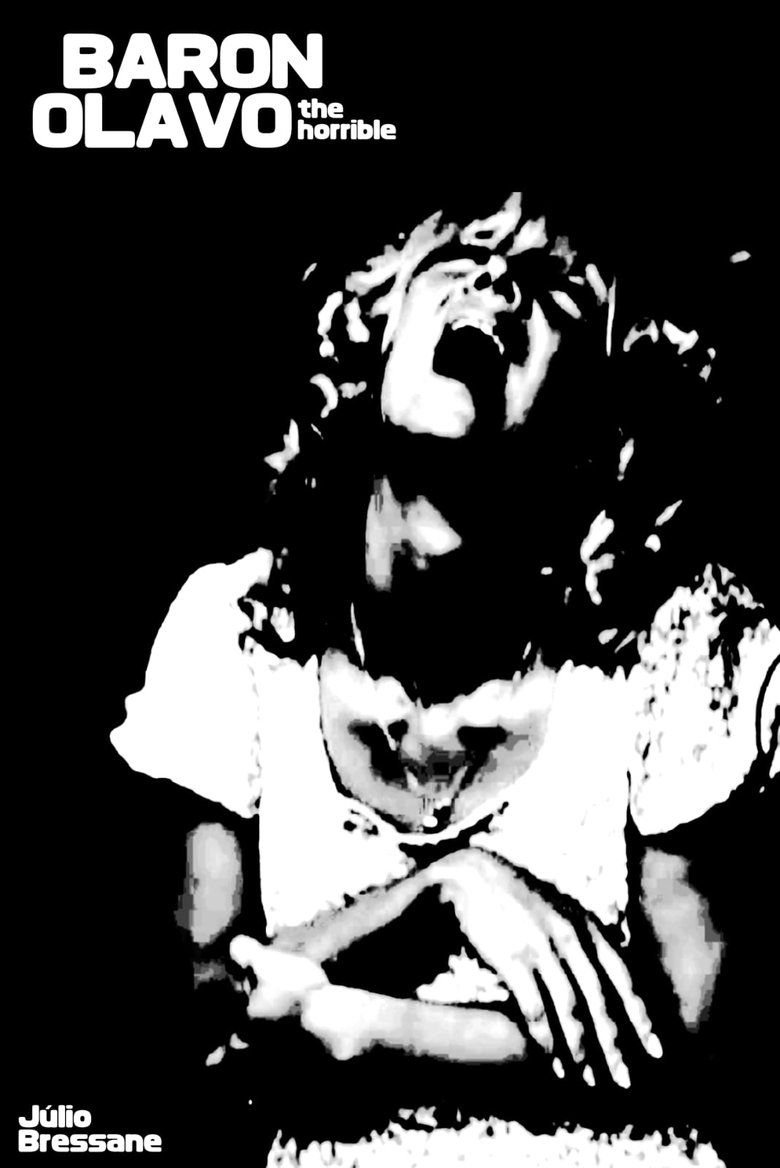
1970
Director
Júlio Bressane
Runtime
60 minutes
Average Rating
No ratings yetSynopsis
Bressane’s first color film, shot in the home of the artist Elyseu Visconti. Part of it is missing sound and final editing because the director was forced to leave Brazil. Horror and humor to deal with the subject of insanity: “In the end everyone leaves the house as though they were laboratory mice escaping, they invade the city and contaminate the world”. “If we talk about horror, this film deals with national horror, with Mojica Marins as an emblem. There might be a few touches of Corman and English horror, but it is another level of horror. What transformed the film was the location where we were shooting, the house of a 19th century painter, a receptacle of light. When I arrived and saw that house, that light, I said: ‘This is the film. This is the horror’. The meaning of the film, its appeal, derives from this laboratory of light” (J. Bressane). — Torino Film Festival
Overall Score
Fair
Category Breakdown
LGBTQ+ Representation
The film focuses on themes of insanity and national horror rather than explicit queer identities. While the movement often explored transgressive sexuality, there is no verifiable evidence of specific non-heteronormative character arcs.
Gender Representation
The narrative centers on character insanity and the contamination of the world. While the era's radical cinema often deconstructed gender roles through chaos, specific character data is unavailable to confirm active subversion.
Racial & Ethnic Diversity
The film is deeply rooted in the 1969 Brazilian socio-political landscape. It engages with national horror and identity, though specific instances of intersectional casting or high-agency characters of color are unconfirmed.
Religious & Cultural Diversity
The film demonstrates high levels of progressive cultural subversion. It uses a deconstruction of traditional Western historical settings to critique institutional stability and traditional morality through a lens of social disruption.
Disability Representation
Mental health is a central theme, framing insanity as a systemic condition reflecting the nation. This approach explores neurodivergence as a complex lens to view a fractured reality.
Strengths
Areas for Improvement
AI Analysis
Júlio Bressane’s work is a radical piece of anti-establishment art that prioritizes systemic critique over explicit identity politics. The film uses insanity and social chaos to challenge the stability of national institutions and traditional morality. While the film lacks verifiable depictions of specific LGBTQ+ or racial identities, it excels in cultural subversion. It moves away from polished, Eurocentric aesthetics to engage with the complexities of the Brazilian landscape. Ultimately, the film's strength lies in its thematic depth regarding mental health and social order, even if it lacks the specific, identity-focused casting found in modern media.
No reviews yet. Be the first to share your thoughts on this movie!
Use the rating form above to leave a star rating and optional review.