Find another title
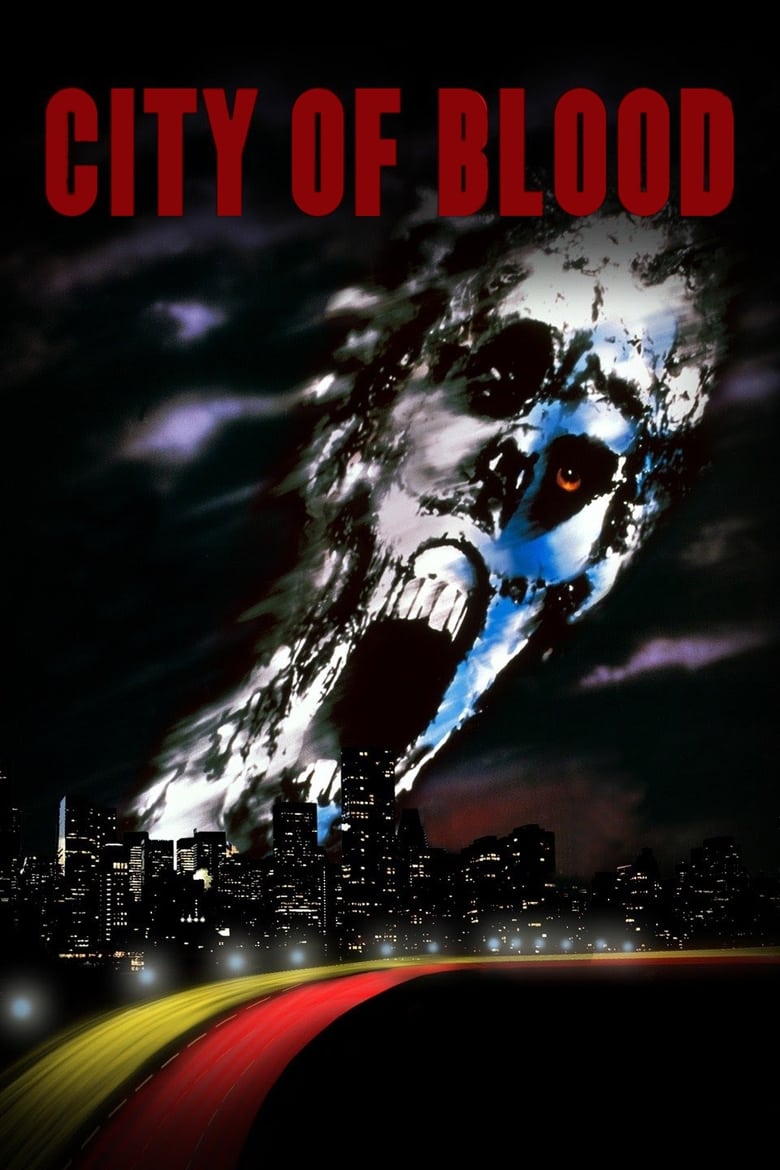
City of Blood
1987
RDirector
Darrell James Roodt
Runtime
95 minutes
Average Rating
No ratings yetSynopsis
A medical examiner investigating a series of prostitute murders discovers that the culprit is an ancient tribal witch doctor come back to life.
Where to Watch
Diversity & Representation
Overall Score
Limited
Category Breakdown
LGBTQ+ Representation
The narrative focuses on a criminal investigation involving sex workers and a supernatural entity. There is no evidence of non-cisnormative identities or narratives that critique heteronormativity.
Gender Representation
A medical examiner provides a platform for professional agency. However, the plot centers on the victimization of female characters, a trope that risks reinforcing hierarchies of male violence.
Racial & Ethnic Diversity
The inclusion of an ancient tribal witch doctor introduces non-Western archetypes. This risks the 'othering' trope where non-Western spiritualism is framed as a source of terror.
Religious & Cultural Diversity
The film pits Western scientific empiricism against non-Western spiritualism. This setup may reinforce Western institutional superiority if the supernatural element is framed as a primitive threat.
Disability Representation
There is no information regarding the inclusion of neurodivergent characters or individuals with physical disabilities. Disability does not appear to be a central plot mechanic.
Strengths
- The protagonist's role as a medical examiner provides a degree of professional agency.
- The plot incorporates non-Western mythology through the introduction of a tribal witch doctor.
Areas for Improvement
- The narrative risks reinforcing gendered power imbalances by centering on the victimization of female characters.
- The use of a witch doctor may lean into 'othering' tropes by framing non-Western spiritualism as a source of terror.
- The film lacks representation for LGBTQ+ identities and individuals with disabilities.
AI Analysis
City of Blood operates within the traditional genre conventions of late 1980s horror and mystery. The narrative architecture prioritizes supernatural conflict and suspense over the deconstruction of social hierarchies or intersectional identity. The film relies on established cinematic tropes, such as the victimization of women and the use of non-Western spiritualism as an antagonistic force. These elements suggest a work that follows conventional thriller structures rather than challenging them. Ultimately, the film lacks specific evidence of diverse character arcs or the subversion of systemic power dynamics, resulting in a score that reflects its adherence to standard genre norms.
Rate this Movie
Reviews
No reviews yet. Be the first to share your thoughts on this movie!
Use the rating form above to leave a star rating and optional review.