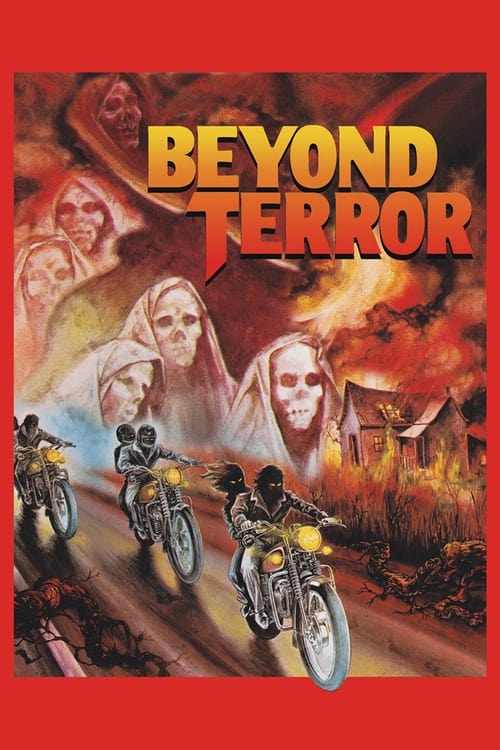
Beyond Terror
1980
No user ratings available yet
Diversity score: 3.5 out of 10

1988
Director
Damián Acosta Esparza
Runtime
83 minutes
Average Rating
No ratings yetSynopsis
A notorious killer dies in the electric chair in a maximum security prison. So great was his evil that Satan offers him a deal. He will get to go back to Earth as long as he sacrifices people to the devil and carves 666 on them somewhere. The guy, of course, accepts and gets reborn in the body of a drug dealer. He begins a trail of carnage that lasts throughout the movie.
Overall Score
Minimal
Category Breakdown
LGBTQ+ Representation
The film lacks LGBTQ+ characters or non-cisnormative identities. The narrative focuses entirely on a male predator, adhering to a traditional heteronormative framework.
Gender Representation
Women are positioned as passive targets of sexual violence rather than active agents. The plot reinforces regressive gender hierarchies through its focus on a male perpetrator.
Racial & Ethnic Diversity
Specific details regarding the racial composition of the cast are unavailable. While the director's background suggests a Latin American context, no character ethnicities are confirmed.
Religious & Cultural Diversity
The story relies on a conventional supernatural pact with Satan. It follows established religious morality tropes rather than challenging or critiquing cultural institutions.
Disability Representation
There is no information regarding characters with physical, sensory, or neurodivergent disabilities. The narrative does not address disability representation.
Strengths
Areas for Improvement
AI Analysis
The film operates within the rigid confines of late-1980s crime and horror tropes. It centers on a singular, predatory male antagonist, which prioritizes genre-standard thrills over any meaningful exploration of identity or systemic power dynamics. The narrative structure relies heavily on regressive themes, specifically positioning women as victims of violence. This focus prevents the film from offering any substantive subversion of traditional gender or social hierarchies. Ultimately, the work functions as a conventional genre piece. It lacks the intersectional depth required to represent marginalized groups, instead leaning on established supernatural and predatory archetypes.
1980

1988

1983

1987

2005
No reviews yet. Be the first to share your thoughts on this movie!
Use the rating form above to leave a star rating and optional review.