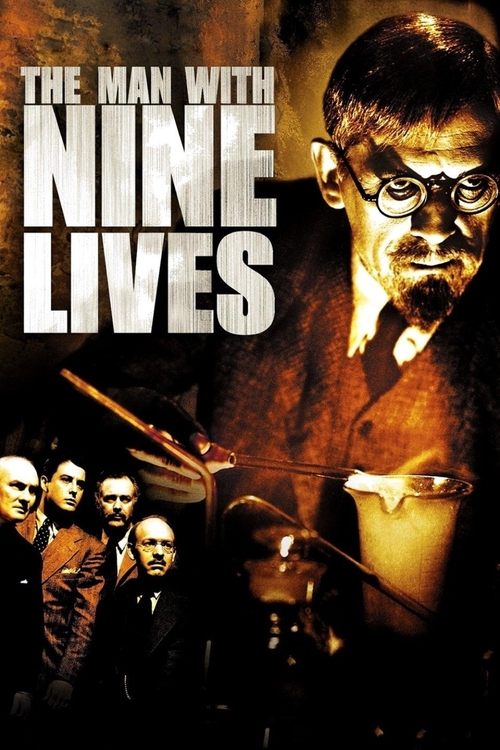
The Monster and the Girl
1941
No user ratings available yet
Diversity score: 2.4 out of 10
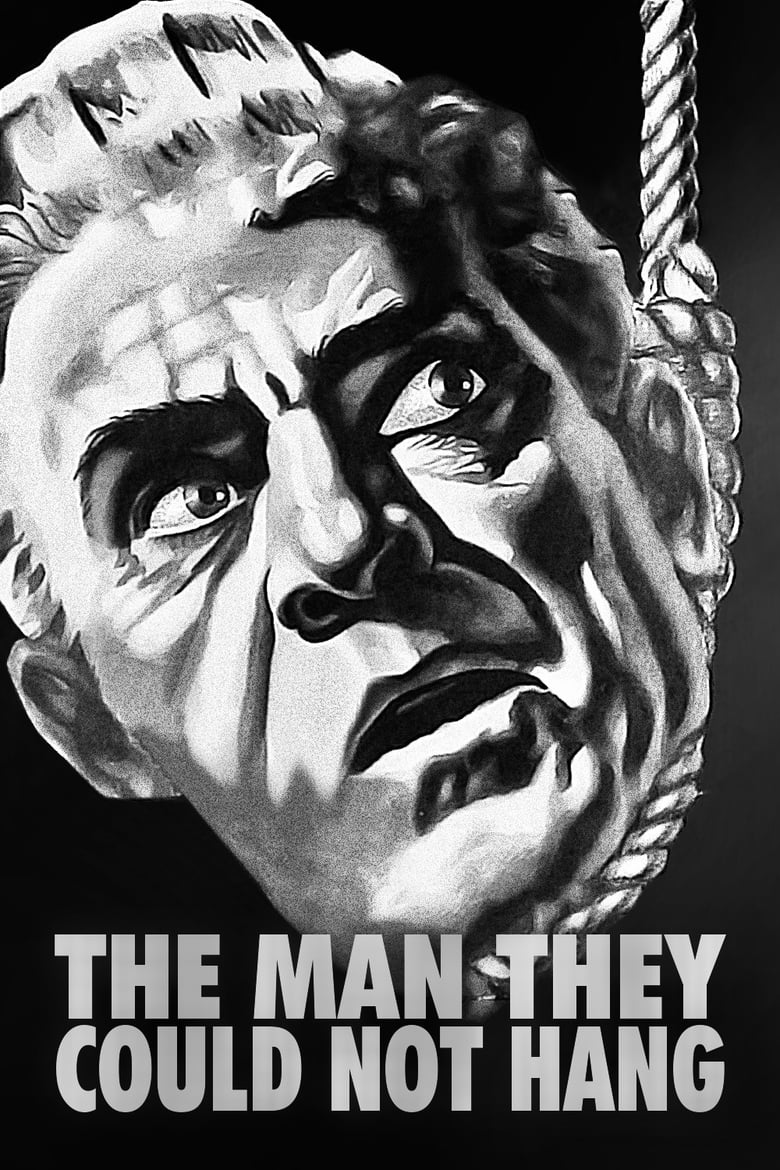
1939
NRDirector
Nick Grindé
Runtime
64 minutes
Average Rating
No ratings yetSynopsis
Dr. Henryk Savaard is a scientist working on experiments to restore life to the dead. When he is unjustly hanged for murder, he is brought back to life by his trusted assistant. Re-animated he turns decidedly nasty and sets about murdering the jury that convicted him.
Overall Score
Limited
Category Breakdown
LGBTQ+ Representation
The film centers on a male-driven plot of scientific resurrection and vengeance. There are no queer narratives or non-cisnormative identities present in this production.
Gender Representation
Narrative agency is almost exclusively reserved for the male protagonist and his scientific pursuits. The story lacks female characters with significant influence or subversion of patriarchal hierarchies.
Racial & Ethnic Diversity
The cast and setting reflect the homogeneous social structures typical of 1939 British crime dramas. There is no evidence of diverse casting to challenge social norms.
Religious & Cultural Diversity
The film critiques institutional infallibility through themes of wrongful conviction. However, it relies on traditional revenge tropes rather than a sophisticated deconstruction of Western institutions.
Disability Representation
The re-animation trope explores biological boundaries through a science fiction lens. It does not provide representation for neurodivergent or physical disabilities beyond this horror conceit.
Strengths
Areas for Improvement
AI Analysis
This 1939 genre piece is a product of its era, prioritizing individual vengeance and scientific curiosity over social disruption. The narrative structure is heavily centered on masculine agency and traditional tropes. The film lacks intersectional representation, functioning as a standard crime-horror production. It does not attempt to subvert the social hierarchies or the homogeneous casting typical of the period. Ultimately, the story focuses on a singular male protagonist's struggle against the judicial system, leaving little room for marginalized identities or diverse perspectives.
No reviews yet. Be the first to share your thoughts on this movie!
Use the rating form above to leave a star rating and optional review.