Find another title
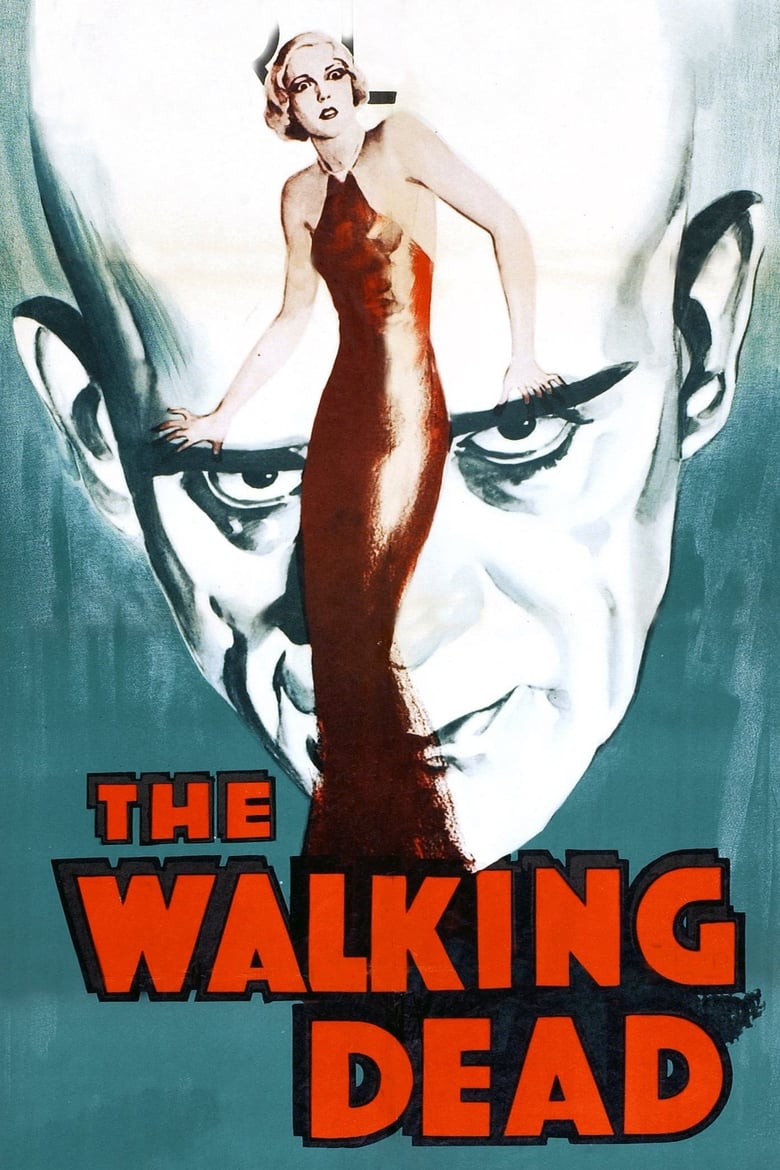
The Walking Dead
1936
ApprovedDirector
Michael Curtiz
Runtime
66 minutes
Average Rating
No ratings yetSynopsis
Down-on-his-luck John Ellman is framed for a judge's murder. After he's convicted and sentenced to death, witnesses come forth and prove his innocence. But it was too late for a stay to be granted and Ellman is executed. A doctor uses an experimental procedure to restore him to life, though the full outcome is other than expected.
Where to Watch
Diversity & Representation
Overall Score
Fair
Category Breakdown
LGBTQ+ Representation
The film lacks any evidence of LGBTQ+ characters or non-heteronormative narratives. It operates within the rigid social and cinematic constraints of 1936.
Gender Representation
The narrative centers on the male experience of injustice and biological resurrection. It lacks the subversion of gender roles necessary for a higher score.
Racial & Ethnic Diversity
The film reflects the homogeneous casting practices of 1930s Hollywood. It conforms to the era's standard of white-centric storytelling.
Religious & Cultural Diversity
The plot critiques Western institutions by depicting a judicial error that leads to an accidental execution. This frames state authority as fallible and potentially corrupt.
Disability Representation
The protagonist's medically altered, post-mortem state explores themes of bodily autonomy. This functions as a narrative study of non-normative physical existence.
Strengths
- Challenges the perceived infallibility of the judicial system.
- Explores complex moral questions regarding scientific ethics and state violence.
- Provides a sophisticated look at the consequences of systemic error.
Areas for Improvement
- Lacks intersectional demographic breadth in its character portrayals.
- Relies on traditional gender hierarchies and masculine-centric narratives.
- Reflects the homogeneous casting practices of the 1930s era.
AI Analysis
Michael Curtiz’s film serves primarily as a critique of systemic institutional failure rather than a showcase of demographic breadth. The story focuses on the fallibility of the legal system through the tragic execution of an innocent man. While the film lacks intersectional representation, it offers moral complexity regarding the ethics of scientific intervention and state authority. The protagonist's resurrection provides a unique, if narrow, exploration of altered physical states. Ultimately, the work is a period-specific genre piece that prioritizes institutional critique over diverse character perspectives.
Rate this Movie
Reviews
No reviews yet. Be the first to share your thoughts on this movie!
Use the rating form above to leave a star rating and optional review.