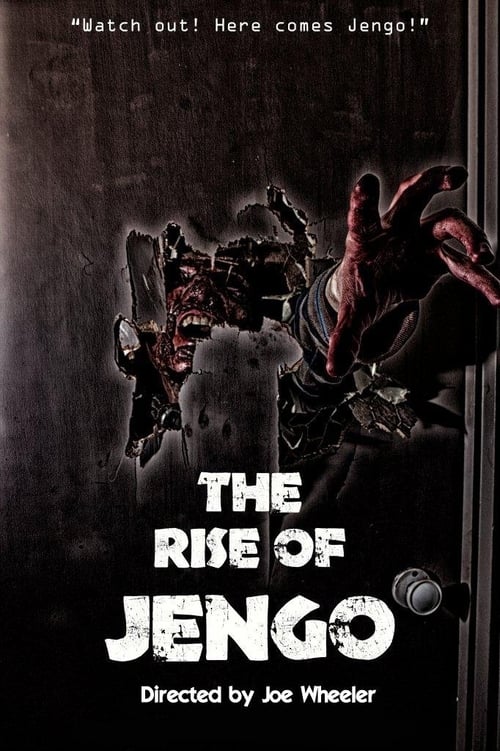
The Rise of Jengo
2011
No user ratings available yet
Representation score: 1.3 out of 10

Representation Score
Minimal
2015
Director
Arthur Cullipher
Runtime
86 minutes
Average Rating
No ratings yetNew Showbiz Analysis
Headless operates as a traditional genre exercise, leaning heavily into the established clichés of 1970s slasher cinema. The narrative focuses on visceral horror, madness, and a cycle of predatory violence rather than social commentary. The film's structure prioritizes individual depravity and the archetype of the masked killer. It does not engage with the overlapping aspects of identity or attempt to deconstruct systemic social hierarchies. Ultimately, the work functions as a stylistic homage to retro horror, offering minimal engagement with progressive social frameworks or demographic representation.
Category Breakdown
The film does not include any characters with non-cisgender identities or same-sex relationships. It adheres to a conventional slasher format without addressing assumptions about everyone being straight or cisgender.
A young woman is a central character but mainly portrayed as a victim of predatory violence. The story does not challenge traditional gender roles or depict masculinity in a non-traditional way.
The film does not provide any information about the racial or ethnic makeup of its cast. There is no visible evidence of diverse casting.
Themes of cannibalism and madness emphasize nihilism rather than social critique. The film does not challenge traditional power structures or promote specific secular narratives.
The antagonist is described as tortured, serving as a horror device rather than a nuanced exploration of mental health or physical disability.
Present on Screen
Limited or Absent
Official Synopsis
In this "lost slasher film from 1978," a masked killer wages an unrelenting spree of murder, cannibalism, and necrophilia. But when his tortured past comes back to haunt him, he plunges to even greater depths of madness and depravity, consuming the lives of a young woman and those she holds dear.
2011

1980

2007

1990

1989

1974
2013

1986
No reviews yet. Be the first to share your thoughts on this movie!
Use the rating form above to leave a star rating and optional review.