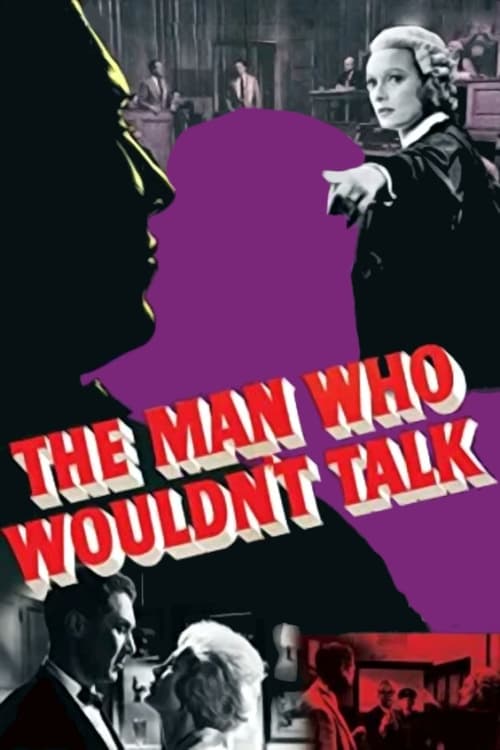
The Man Who Wouldn't Talk
1958
No user ratings available yet
Representation score: 1.8 out of 10
Representation Score
Minimal
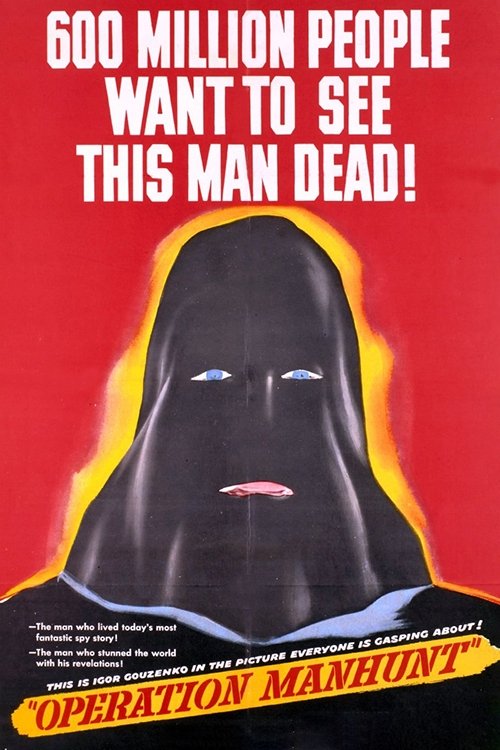
1954
ApprovedDirector
Jack Alexander
Runtime
77 minutes
Average Rating
No ratings yetNew Showbiz Analysis
Operation Manhunt is a product of mid-century crime drama. Its narrative structure prioritizes the geopolitical tensions of the 1950s and the stability of Western institutions over social representation. The film relies on conventional character types typical of the Cold War era. It focuses on the high-stakes defection of Igor Gouzenko, emphasizing masculine strength and state-driven conflict. Ultimately, the production does not intentionally challenge social hierarchies. It serves as a traditional Western perspective on international espionage rather than a diverse or layered narrative.
Category Breakdown
The film does not include any characters with non-traditional gender identities. It focuses on Cold War espionage, a genre that traditionally supports traditional family roles and social structures.
The story centers around male-driven actions through the defection of Igor Gouzenko. It highlights the era's emphasis on masculine strength within state security and espionage.
While the story includes Soviet and Eastern European characters, the film likely maintains a Eurocentric viewpoint. It lacks the layered representation seen in more modern productions.
The film upholds traditional Western values and state-centric morality. It validates Western democratic systems by focusing on the geopolitical tensions of the Cold War era.
There is no information about the portrayal of physical or neurodivergent characters. The available data does not allow for an assessment of this category.
Present on Screen
Limited or Absent
Official Synopsis
Ten years after his defection from the Soviet Embassy in Ottawa, Igor Gouzenko is hunted by Soviet agents. Based on a true story.
1958
1947

1975
1969

1955

1977
1955
1970
No reviews yet. Be the first to share your thoughts on this movie!
Use the rating form above to leave a star rating and optional review.