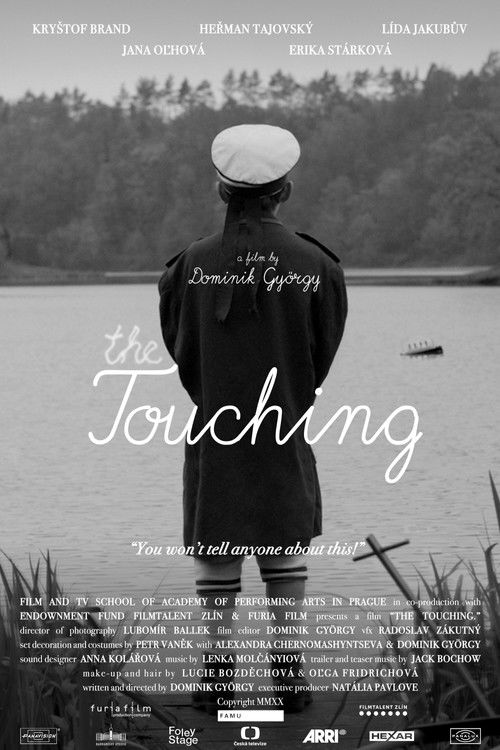
The Touching
2020
No user ratings available yet
Diversity score: 5.5 out of 10

2008
NRDirector
Arthur Allan Seidelman
Runtime
90 minutes
Average Rating
No ratings yetSynopsis
Based on the 1891 play "Spring Awakening," this filmed stage drama examines the tensions and confusion of young people as their growing sexual awareness conflicts with the repressive social environment around them. The passionate kiss between two males might be the first envisioned for the stage since Christopher Marlowe's between Edward II and Gaveston.
Overall Score
Good
Category Breakdown
LGBTQ+ Representation
The film centers on the disruption of heteronormative expectations. It features a significant depiction of male-to-male intimacy, providing visibility to non-heteronormative desires within a historical framework.
Gender Representation
The narrative examines the tension between sexual awareness and a repressive social environment. It critiques traditional gender hierarchies and the restrictive roles imposed upon young people.
Racial & Ethnic Diversity
The production focuses on a specific European social milieu. The narrative prioritizes class and generational divides over racial intersectionality.
Religious & Cultural Diversity
The film deconstructs traditional Western institutions by portraying 19th-century social and educational structures as repressive. It prioritizes subjective emotional truth over established social or religious codes.
Disability Representation
There is no evidence of specific depictions of neurodivergence or physical disability within the work.
Strengths
Areas for Improvement
AI Analysis
The film serves as a study of systemic friction, utilizing a narrative that prioritizes the internal, often deviant experiences of its protagonists. Its primary strength is the willingness to confront the restrictive nature of historical social structures. By engaging with queer themes and maintaining a critical lens toward traditional Western social conditioning, the production disrupts conventional period-piece morality. The focus remains on the friction between individual identity and rigid institutionalism. However, the work is limited by its narrow focus on a specific European milieu, which results in a lack of racial intersectionality. The absence of disability representation also prevents a higher overall score.
2020
2013
1987
1995
1965

2012
2006
2005
1996

2023

2020

2010
No reviews yet. Be the first to share your thoughts on this movie!
Use the rating form above to leave a star rating and optional review.