The Thin Man Goes Home
1944
No user ratings available yet
Representation score: 1.7 out of 10
Representation Score
Minimal
1940
ApprovedDirector
Eugene Forde
Runtime
77 minutes
Average Rating
No ratings yetNew Showbiz Analysis
This 1940 mystery is a quintessential product of its era, prioritizing genre clichés over diverse representation. The narrative reinforces mid-century social hierarchies through a homogeneous cast and traditional gender roles. The film functions as a standard procedural where male authority drives the investigation. It offers almost no disruption of conventional social norms or complex social dynamics.
Category Breakdown
The film does not include any characters identifying as LGBTQ+ or depict non-heterosexual relationships. All romantic subplots center around traditional heterosexual pairings.
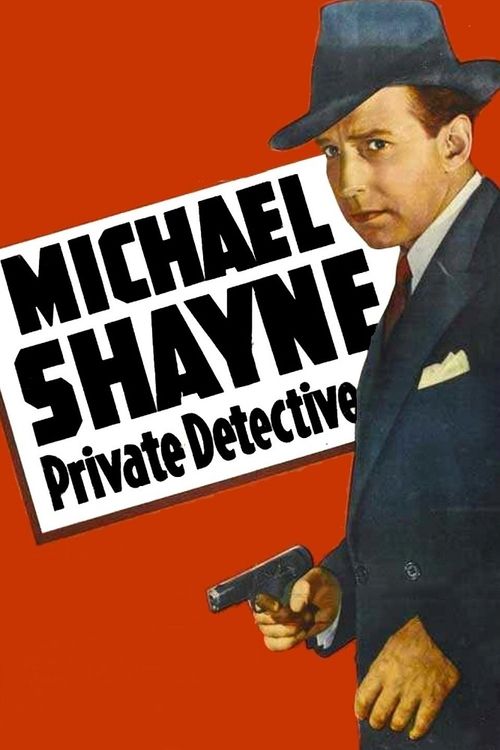
Michael Shayne serves as the main driver of action and intelligence. Female characters such as Phyllis and Aunt Olivia operate within traditional roles without taking a leading investigative role.
The cast appears predominantly white, reflecting the era's standard of depicting an Anglo-Saxon urban environment. There are no non-white characters with significant roles.
The story operates within a conventional Western framework focused on individual problem-solving. It uses standard social institutions as a backdrop without critiquing them or exploring systemic issues.
No visible or invisible disabilities are portrayed within the character arcs. Characters function within standard physical and neurotypical parameters throughout the mystery.
Present on Screen
Limited or Absent
Official Synopsis
Millionaire sportsman Hiram Brighton hires gumshoe Michael Shayne to keep his spoiled daughter Phyllis away from racetrack betting windows and roulette wheels. After Phyllis slips away and continues her compulsive gambling, Shayne fakes the murder of her gambler boyfriend, who is also romancing the daughter of casino owner Benny Gordon, in order to frighten her. When the tout really ends up murdered, Shayne and Phyllis' Aunt Olivia, an avid reader of murder mysteries, both try to find the identity of the killer.
1944
1939
1939
1941
1936
1936
1944
1934
No reviews yet. Be the first to share your thoughts on this movie!
Use the rating form above to leave a star rating and optional review.