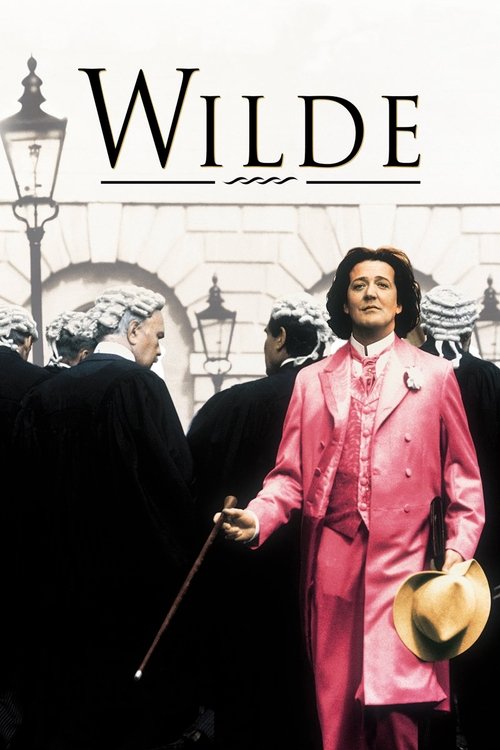
Wilde
1997
No user ratings available yet
Representation score: 5.4 out of 10
Representation Score
Good
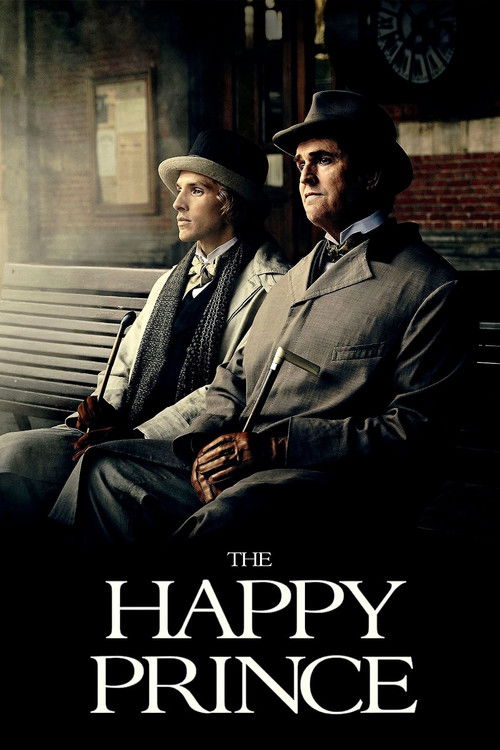
2018
RDirector
Rupert Everett
Runtime
101 minutes
Average Rating
No ratings yetNew Showbiz Analysis
Rupert Everett's drama is a sophisticated exploration of identity and systemic persecution. By focusing on the queer experience of Oscar Wilde, the film goes beyond a simple biography to critique the legal and social structures of the Victorian era. The film excels in its portrayal of LGBTQ+ individuals and its critique of institutional hypocrisy. It uses the historical context to challenge the moral authority of the state, framing Wilde's struggle as a fight for authenticity. However, the film is limited by its historical setting, resulting in a predominantly white cast with little racial diversity. While the theme of 'otherness' is strong, the explicit representation of different ethnic backgrounds is minimal.
Category Breakdown
The film focuses on the romantic and emotional lives of Oscar Wilde and Lord Alfred Douglas, providing a detailed look at their same-sex relationship and the psychological impact of living under strict laws.
It challenges the rigid gender roles of Victorian society by highlighting a relationship outside traditional marriages. The film explores the volatility of emotions rather than reinforcing typical patriarchal norms.
The film reflects the demographics of late 19th-century Anglo-European aristocracy. Although it doesn't feature diverse racial backgrounds, the exclusion of the main characters serves as a thematic parallel to broader societal issues.
The story criticizes Western legal and religious systems as tools of oppression. It portrays the state's enforcement of morality as hypocritical, emphasizing individual truth over institutional doctrine.
There are no prominent depictions of physical or neurodivergent disabilities that significantly influence the narrative.
Present on Screen
Limited or Absent
Official Synopsis
In 1895, Oscar Wilde (1854-1900) was the most famous writer in London, and Bosie Douglas, son of the notorious Marquess of Queensberry, was his lover. Accused and convicted of gross indecency, he was imprisoned for two years and subjected to hard labor. Once free, he abandons England to live in France, where he will spend his last years, haunted by memories of the past, poverty and immense sadness.
1997
1973
2000

1987

2000
1995

1960

2016
No reviews yet. Be the first to share your thoughts on this movie!
Use the rating form above to leave a star rating and optional review.