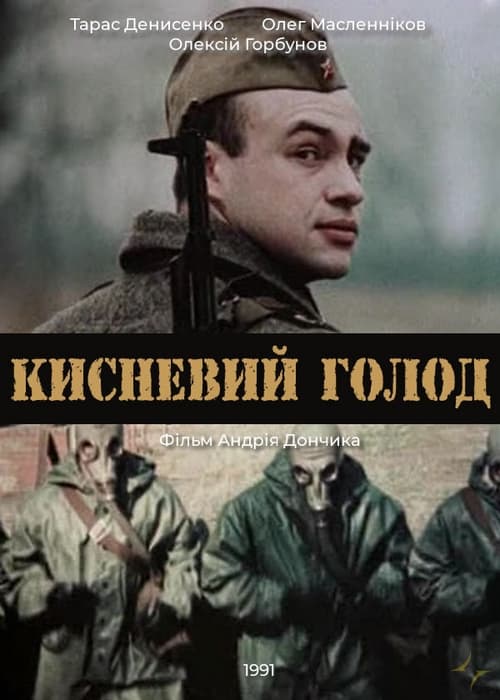
Oxygen Starvation
1992
No user ratings available yet
Representation score: 5.7 out of 10

Representation Score
Limited
2008
Director
Aleksei German Jr.
Runtime
116 minutes
Average Rating
No ratings yetNew Showbiz Analysis
Paper Soldier is a specialized work of historical realism that prioritizes a critique of institutional power over demographic breadth. It succeeds as a deconstruction of the traditional heroic war epic, using the chaos of the Soviet-German conflict to expose the fragility of centralized authority. However, the film is deeply limited by its adherence to the historical homogeneity of its setting. The narrative remains confined to a hyper-masculine, ethnically uniform, and straight-centered military environment, offering little room for diverse perspectives.
Category Breakdown
The film operates within a strictly heterosexual and hyper-masculine military framework. There is no presence of LGBTQ+ identities or narratives that challenge traditional sexual hierarchies.
The narrative reinforces traditional gender roles by centering the plot within a male-dominated military hierarchy. Female characters are largely absent from the immediate sphere of the protagonist's influence.
The cast is ethnically homogeneous, reflecting the specific context of the Soviet military during the 1940s. The film presents a localized, culturally specific depiction of the Soviet state.
The film achieves a high score by deconstructing state authority and the absurdity of bureaucracy. It challenges the myth of the infallible state through the lens of administrative failure.
While the film depicts the physical trauma of warfare, characters with disabilities are not given much attention or nuanced development. The focus remains on systemic collapse rather than individual experiences.
Present on Screen
Limited or Absent
Official Synopsis
In 1961, a Soviet medical officer is conflicted about his position overseeing the health of future cosmonauts.
1992

2014

2005

2013

2018
1988

1990

1972
No reviews yet. Be the first to share your thoughts on this movie!
Use the rating form above to leave a star rating and optional review.