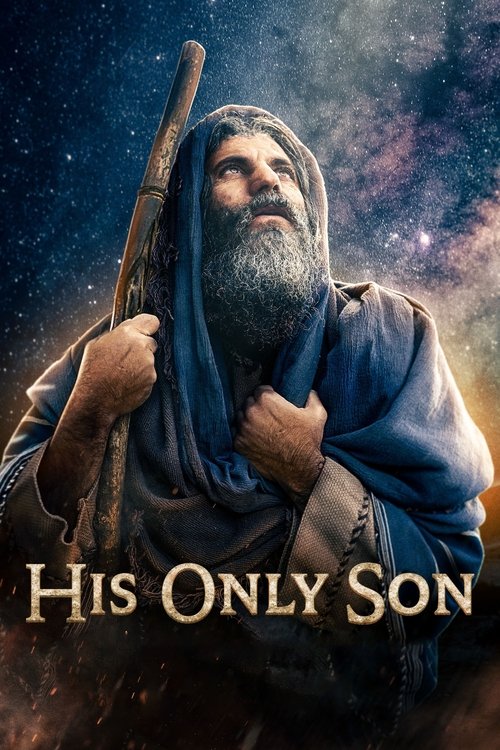
His Only Son
2023
No user ratings available yet
Diversity score: 1.1 out of 10
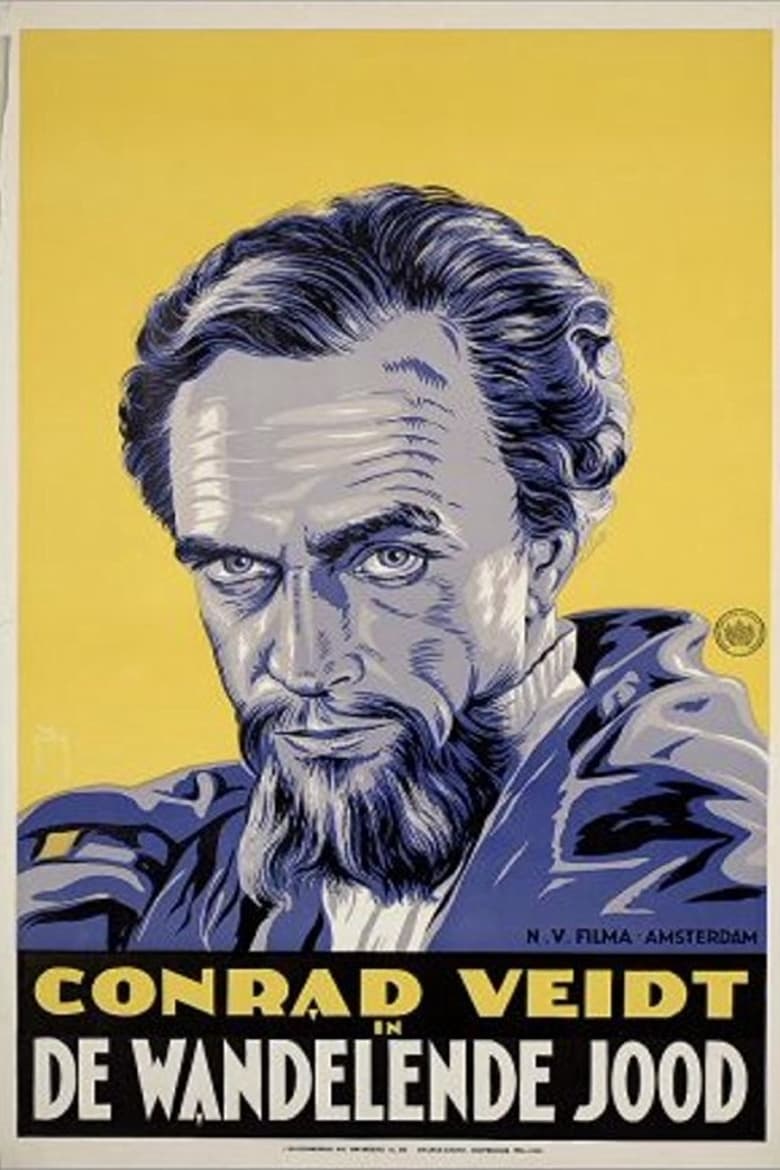
1933
Director
Maurice Elvey
Runtime
110 minutes
Average Rating
No ratings yetSynopsis
Old Jerusalem: Matathias, spiteful over his lover's illness, spits on Jesus along the road to Calvary, and is cursed to live endlessly until His return. The Crusades, 1150: Matathias, now an anonymous knight, competes for glory in combat and for the wife of a soldier. Palermo, 1290: Matteos Battadios witnesses the death of his young son, leading to conflict with his wife over whether to take comfort in Christianity. Seville, 1560: Dr Matteos Battadios dedicates himself to the treatment and comfort of the poor, but his life and work are endangered by the arrival of the Spanish Inquisition.
Overall Score
Limited
Category Breakdown
LGBTQ+ Representation
The film adheres to heteronormative structures and traditional religious mythos. There is no evidence of same-sex intimacy or non-cisnormative identities.
Gender Representation
Women are depicted primarily through their relationships to men, serving as lovers, wives, or victims. They lack agency to disrupt patriarchal structures.
Racial & Ethnic Diversity
The story centers on a Jewish protagonist, providing ethnic specificity. However, the narrative follows a Western-centric lens and 1930s casting norms.
Religious & Cultural Diversity
The plot is driven by a singular Christian framework and divine judgment. It reinforces traditional religious authority and institutional power.
Disability Representation
Disability is used as a narrative device, such as a lover's illness. Characters with disabilities lack independent agency beyond plot utility.
Strengths
Areas for Improvement
AI Analysis
The film functions as a traditional historical drama that prioritizes classical moral structures and religious mythology. It reinforces established social and religious hierarchies rather than challenging them through modern intersectional lenses. While the Jewish identity of the protagonist provides some ethnic specificity, the broader narrative remains rooted in a Western-centric, theological perspective. The storytelling relies on conventional tropes where characters serve as catalysts for the male protagonist's spiritual journey. Ultimately, the work lacks the intentionality required to disrupt systemic power dynamics. It remains a conservative piece of storytelling that focuses on divine retribution and the weight of tradition.
2023
1988
1960
1965
1937

1999
No reviews yet. Be the first to share your thoughts on this movie!
Use the rating form above to leave a star rating and optional review.