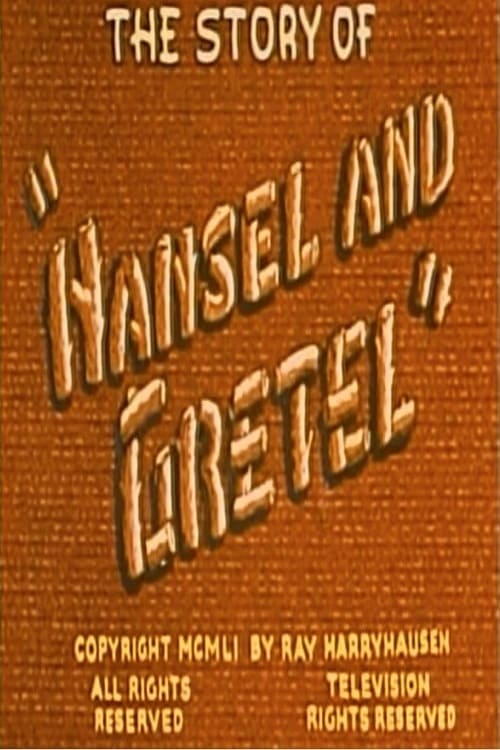
The Story of Hansel and Gretel
1951
No user ratings available yet
Representation score: 0.3 out of 10
Representation Score
Minimal
1951
GDirector
Ray Harryhausen
Runtime
11 minutes
Average Rating
No ratings yetNew Showbiz Analysis
Ray Harryhausen’s stop-motion work is a technical masterpiece that focuses on the aesthetic refinement of classical folklore. However, the film functions as a conservative preservation of mid-20th-century storytelling norms rather than a disruption of social hierarchies. The narrative reinforces traditional gender roles and a singular Eurocentric perspective. It relies on established archetypes where masculine leadership and feminine dependency drive the plot toward a conventional romantic resolution. Ultimately, the film lacks representation for LGBTQ+ identities, diverse ethnicities, or disabilities. It serves as a reflection of the era's standard for Western fairy tales, prioritizing the stability of traditional social structures.
Category Breakdown
The film follows traditional fairy tale conventions and does not include any queer subtext or non-cisgender identities. It adheres to a strictly heterosexual framework.
Gender roles are defined by a binary of control. Rapunzel remains a passive figure to be rescued, while the Prince acts as the primary driver of the plot.
The film utilizes a stylized, Eurocentric aesthetic. The cast is homogeneous, reflecting a singular cultural perspective without any diverse ethnic identities or race-bent casting.
The narrative is rooted in traditional Western moralities and the preservation of the status quo. It celebrates the stability of the kingdom and the hero archetype.
No characters with visible or invisible disabilities are depicted. The cast is presented through idealized, archetypal forms that avoid the complexities of physical or neurodivergent impairments.
Present on Screen
Limited or Absent
Official Synopsis
This is one of four fairy tales master animator Ray Harryhausen made between 1949 and 1953 by hand, using stop-motion photography perfected as an apprentice under mentor Willis H. O'Brien of "King Kong" fame.
1951
1926
1937
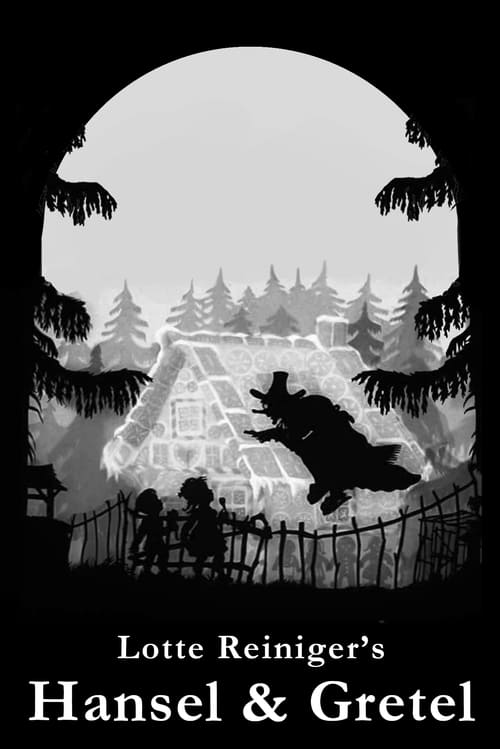
1954
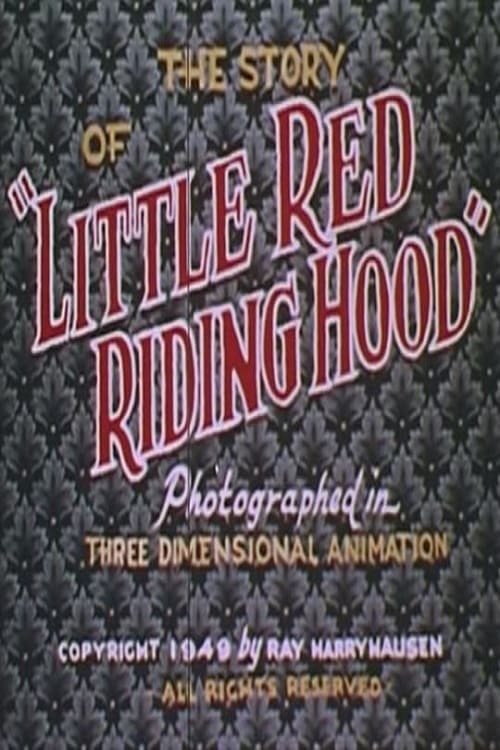
1949
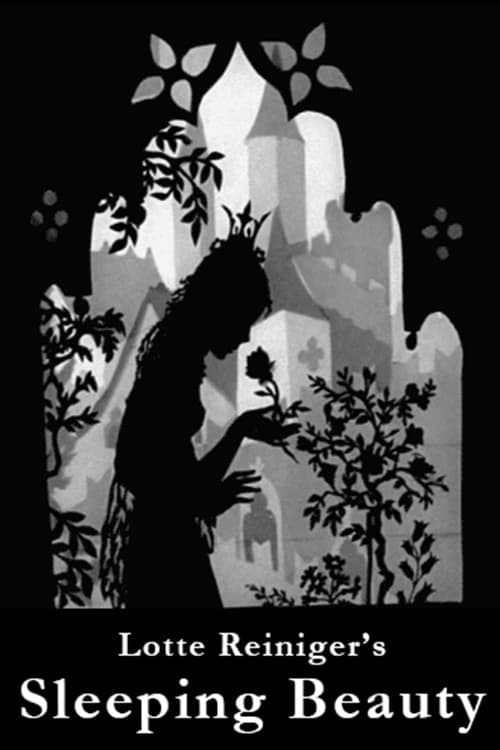
1954
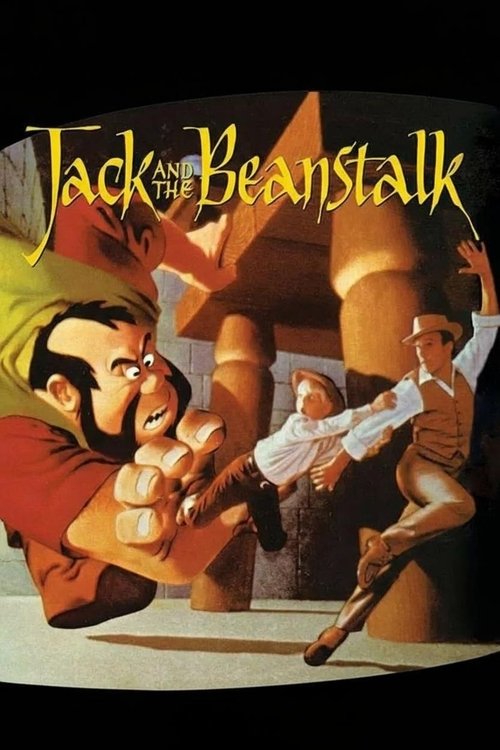
1967
1953
No reviews yet. Be the first to share your thoughts on this movie!
Use the rating form above to leave a star rating and optional review.