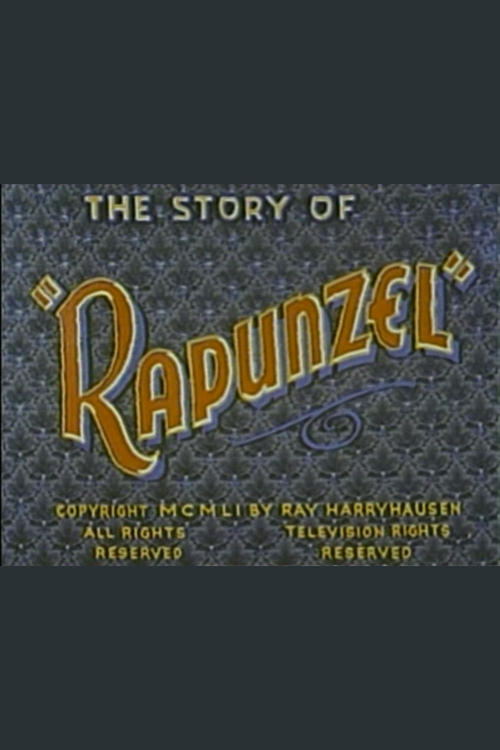
The Story of Rapunzel
1951
No user ratings available yet
Representation score: 0.4 out of 10
Representation Score
Minimal
1951
TV-GDirector
Ray Harryhausen
Runtime
10 minutes
Average Rating
No ratings yetNew Showbiz Analysis
Ray Harryhausen’s stop-motion adaptation preserves a classic Grimm fairy tale. Embedded in the social and cultural norms of 1951, it prioritizes traditional folklore structures over modern sociopolitical representation. The narrative focuses on reinforcing classical moral structures. Drawing from established European myths, the storytelling remains centered on a singular, Eurocentric worldview lacking depth in multiple aspects of diversity. Ultimately, the film stands as a historical artifact of mid-century animation. It excels in its technical mastery of creature design but offers minimal disruption of traditional gender, racial, or social norms.
Category Breakdown
The film doesn't include any characters with non-traditional gender identities. Set in 1951, it follows the traditional family structures common during that time.
The story uses traditional gender roles typical of mid-century animation. While the main characters take action to survive, the film upholds traditional dynamics of vulnerability and rescue.
This production centers on a homogeneous Eurocentric setting. As an adaptation of European folklore, it lacks diverse casting and character depth reflecting multiple backgrounds.
The work is rooted in traditional Western folklore and social norms. It reinforces classical moralities without challenging contemporary cultural norms.
There are no characters with disabilities shown taking control of their situations. The film avoids exploring physical or mental differences beyond the limited stereotypes of 1950s animation.
Present on Screen
Limited or Absent
Official Synopsis
Stop-motion puppetry version of the classic fairy tale. Preserved by the Academy Film Archive in 2004.
1951
1926
1954

1957
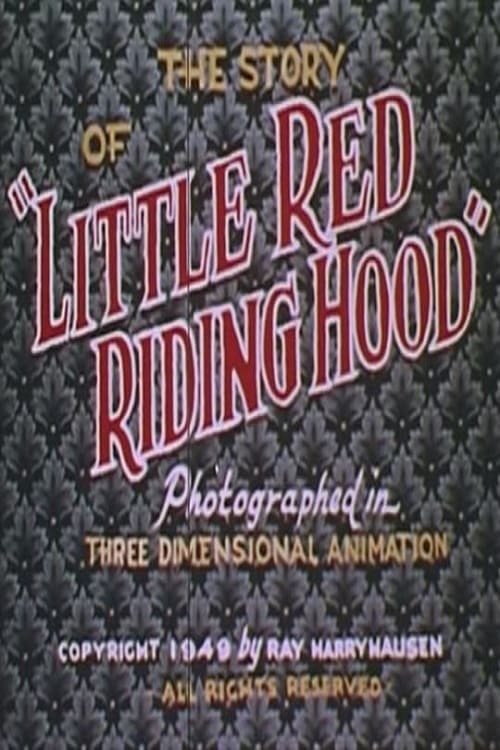
1949
1955
1936
1969
No reviews yet. Be the first to share your thoughts on this movie!
Use the rating form above to leave a star rating and optional review.