The Story of Rapunzel
1951
No user ratings available yet
Representation score: 0.4 out of 10
Representation Score
Limited
1937
Director
Ferdinand Diehl, Hermann Diehl
Runtime
53 minutes
Average Rating
No ratings yetNew Showbiz Analysis
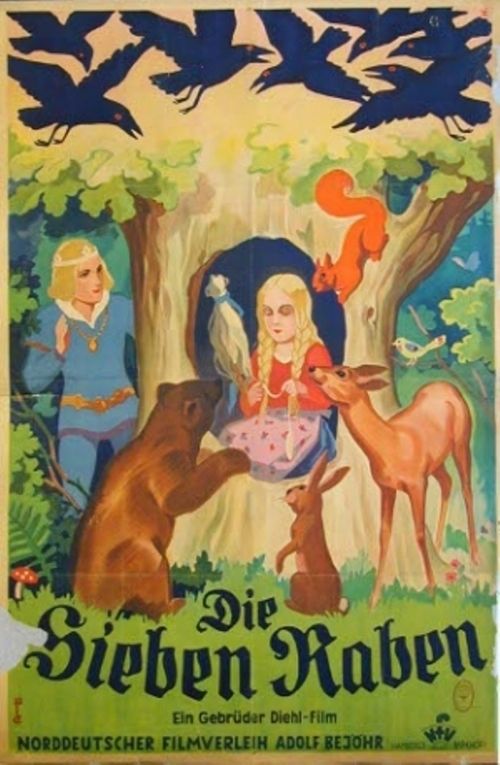
The Seven Ravens is a historical example of early German stop-motion animation that emphasizes folklore over modern multi-layered complexity. While the film features a strong female lead, the story remains confined by the homogeneous and traditional constraints of its 1937 production context. The film's themes focus on restoring a natural order and preserving family bonds. It lacks demographic diversity and does not critique social hierarchies or gender roles. Ultimately, the work preserves traditional European archetypes rather than offering a progressive narrative.
Category Breakdown
The film follows a traditional fairy tale structure from 1937. It does not depict any non-straight or non-cisgender identities or same-sex relationships.
A female character leads the main quest, showing strength and ability to act. However, the plot revolves around traditional family preservation clichés.
The production reflects a homogeneous Western European look. There is no diverse casting or racial variety in the story.
The story preserves traditional Western folklore and fairy tale archetypes. It upholds conventional family structures and moral orders.
The brothers' transformation into ravens serves as a fantastical plot device. It does not explore the complexities of living with disabilities or neurodivergence.
Present on Screen
Limited or Absent
Official Synopsis
When a young girl finds out that, due to her existence, her seven brothers are struck by a curse and have to live their lives as ravens, she goes out in a quest to find them. Considered to be the first German feature length stop motion film.
1951

1957
1993
1982
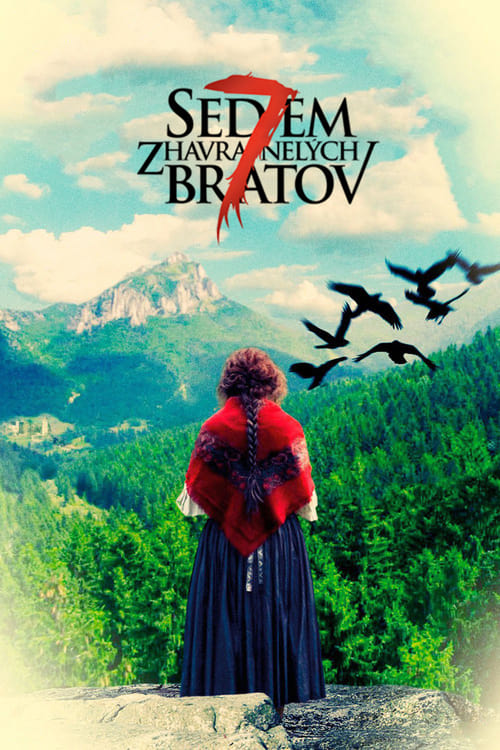
2015
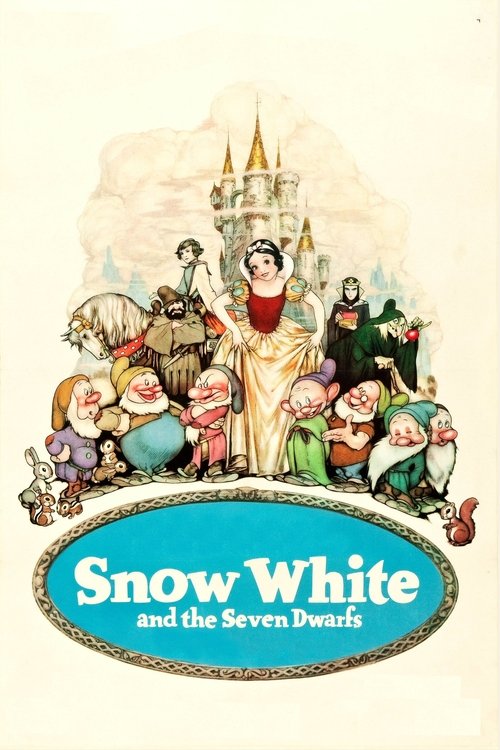
1938
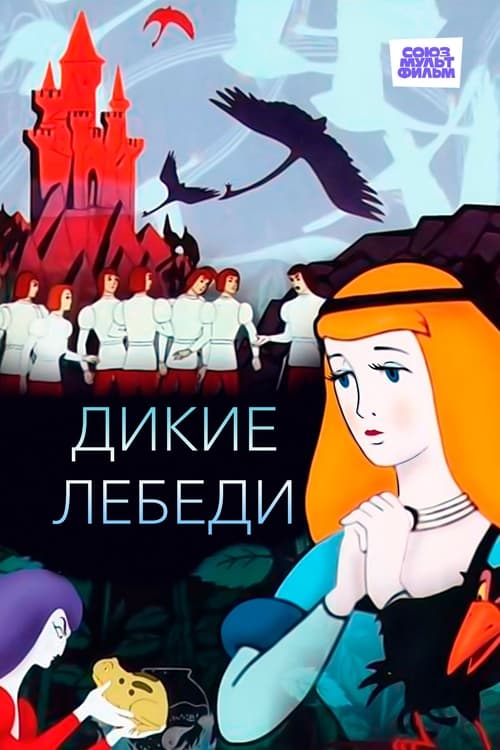
1962
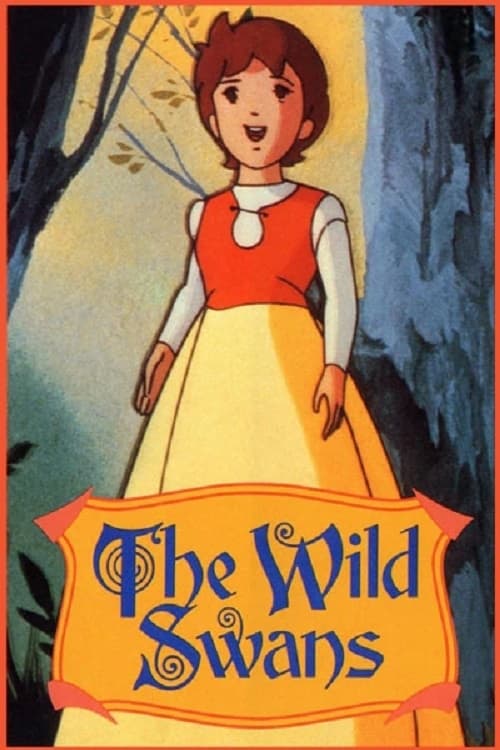
1977
No reviews yet. Be the first to share your thoughts on this movie!
Use the rating form above to leave a star rating and optional review.