
Chronicle of a Disappearance
1996
No user ratings available yet
Representation score: 8.1 out of 10
Representation Score
Excellent
2002
Not RatedDirector
Elia Suleiman
Runtime
92 minutes
Average Rating
No ratings yetNew Showbiz Analysis
Elia Suleiman’s work is a nuanced exploration of Palestinian identity, using surrealism and deadpan humor to navigate life under occupation. The film excels in its focus on Palestinian life and culture, offering a non-Western perspective on geopolitical issues. While it lacks explicit LGBTQ+ representation, it portrays strong female characters and challenges institutional power structures. The film uses fragmented vignettes to question traditional power dynamics and validate the experiences of underrepresented populations.
Category Breakdown
The film includes a quiet romance at the Al-Ram checkpoint but does not focus on LGBTQ+ stories. It emphasizes human connections without highlighting non-traditional gender identities.
Women play significant roles in the film, defying traditional stereotypes. They show physical strength and competence, challenging the idea of women as passive or submissive.
The film centers on Palestinian life in Nazareth and East Jerusalem, featuring a predominantly non-Anglo-Saxon cast. It highlights the systemic impact of occupation on everyday life.
The film critiques military hegemony and institutional power through surrealism. It questions the absurdity of state-sanctioned borders and geopolitical dominance.
The film touches on physical vulnerability through a character's heart attack and hospitalization, focusing on human frailty under systemic pressure rather than typical disability themes.
Present on Screen
Limited or Absent
Official Synopsis
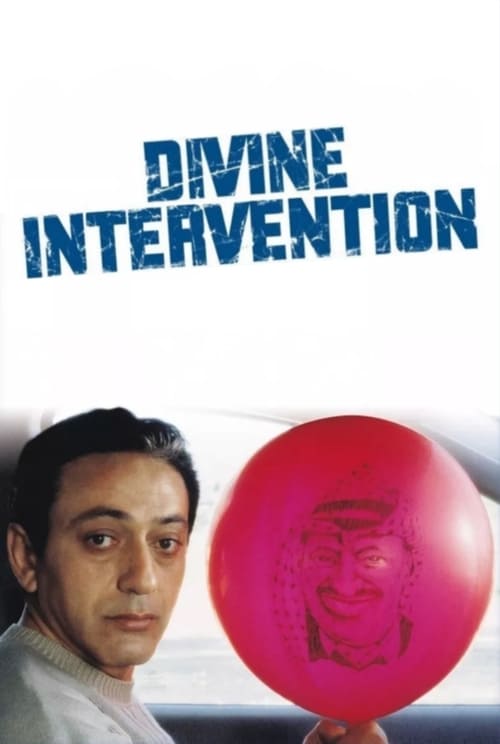
Santa Claus tries to outrun a gang of knife-wielding youth. It's one of several vignettes of Palestinian life in Israel - in a neighborhood in Nazareth and at Al-Ram checkpoint in East Jerusalem. Most of the stories are droll, some absurd, one is mythic and fanciful; few words are spoken. A man who goes through his mail methodically each morning has a heart attack. His son visits him in the hospital. The son regularly meets a woman at Al-Ram; they sit in a car, hands caressing. Once, she defies Israeli guards at the checkpoint; later, ninja-like, she takes on soldiers at a target range. A red balloon floats free overhead. Neighbors toss garbage over walls. Life goes on until it doesn't.
1996

2019

2006

2008
2010
2009
1995
2020
No reviews yet. Be the first to share your thoughts on this movie!
Use the rating form above to leave a star rating and optional review.