Chronicle of a Disappearance
1996
No user ratings available yet
Representation score: 8.1 out of 10
Representation Score
Good
2010
Director
Kamal Aljafari
Runtime
62 minutes
Average Rating
No ratings yetNew Showbiz Analysis
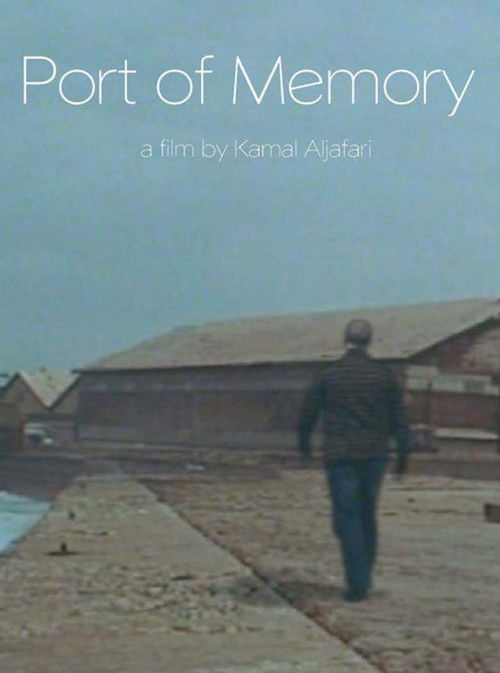
Port of Memory stands out by focusing on the lived experiences of Palestinians in Jaffa. It turns everyday rituals into a powerful commentary on identity and cultural preservation amidst displacement pressures. The film's strength lies in its refusal to rely on the 'outsider' cliché, instead grounding the narrative in Palestinian reality. The inclusion of an Israeli film crew serves as a sharp metaphor for the disruption of indigenous spaces. However, the film remains neutral on LGBTQ+ representation and lacks clear evidence regarding disability. While it offers rich cultural and ethnic specificity, it doesn't explicitly address these other dimensions of identity.
Category Breakdown
The film does not explicitly show LGBTQ+ identities or relationships that aren't assumed to be heterosexual. Characters have moments of dreaming about love, but these scenes don't clearly signal LGBTQ+ themes.
The story focuses on two women who play key roles in their community through their domestic routines. Their actions and decisions shape the narrative emotionally and structurally.
The film deeply explores Palestinian identity in Jaffa. It avoids stereotypes by focusing on the Palestinian experience as the main perspective.
The story highlights daily rituals as a form of resistance against cultural loss. It critiques systemic displacement and the instability of territorial structures.
There isn't enough information to determine if the depiction of aging or stillness represents specific disabilities. These elements might just reflect socioeconomic or psychological conditions.
Present on Screen
Limited or Absent
Official Synopsis
In what is left of the city of Jaffa, a man about to lose his house contemplates his fate. Meanwhile two women remain tied to their homes. Cats scrabbling her front door, one finds solace feeding her old mother, until her house is taken over by an Israeli film crew. The other immerses herself in dreams of love whilst making wedding decorations. In a nearby café an old captain sits motionless the whole day through, while another man moves restless like a fish in an aquarium. For these Palestinian characters this is a way of life, holding onto hope through their own rituals.
1996
2016

2004

2008

1992
2011
2003
2020
No reviews yet. Be the first to share your thoughts on this movie!
Use the rating form above to leave a star rating and optional review.