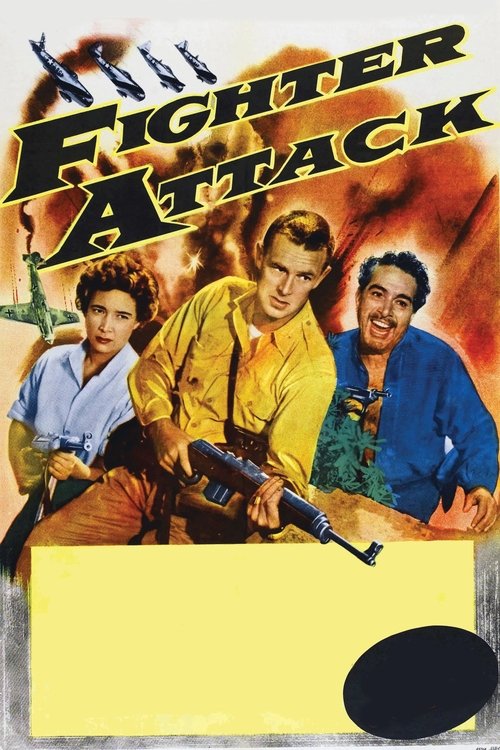
Fighter Attack
1953
No user ratings available yet
Diversity score: 1.9 out of 10
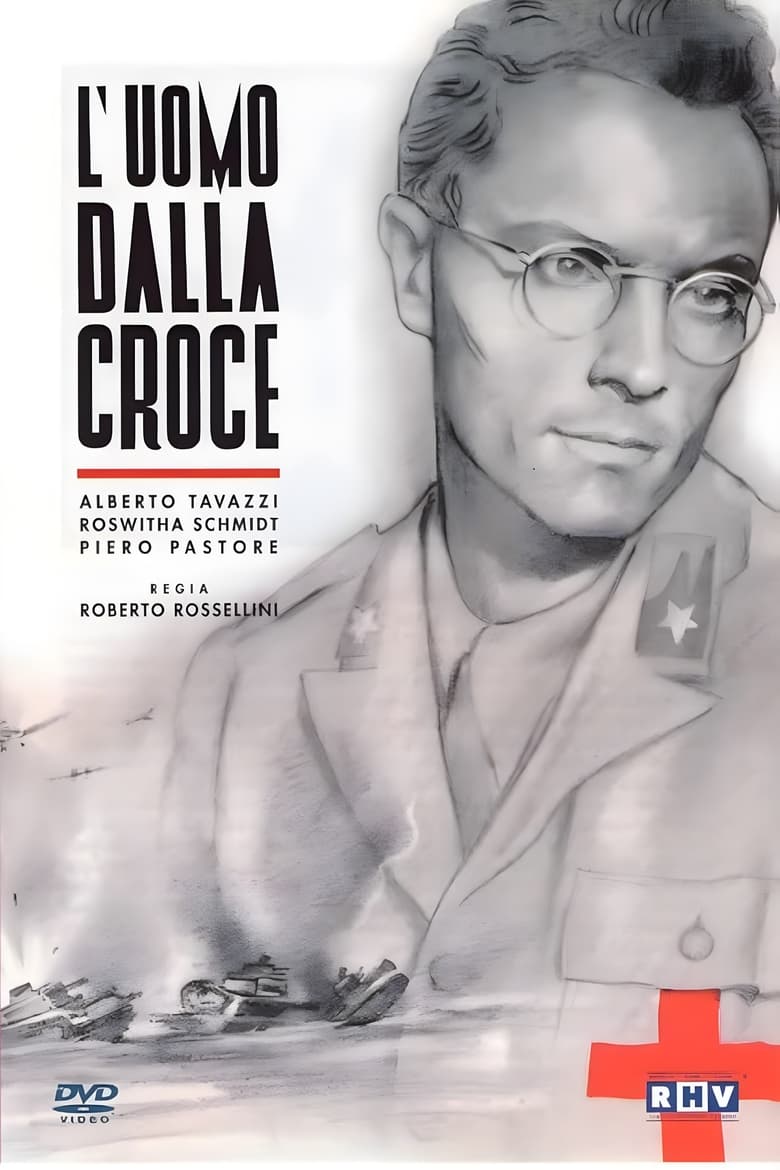
1943
Director
Roberto Rossellini
Runtime
74 minutes
Average Rating
No ratings yetSynopsis
Ukraine, 1942. Italian troops are fighting against the Soviet Union. A military chaplain volunteers to stay behind with a badly wounded Italian soldier, even though this means certain capture.
Overall Score
Minimal
Category Breakdown
LGBTQ+ Representation
The film follows a strictly heteronormative and traditional religious framework. There is no evidence of non-cisnormative gender identities or same-sex intimacy.
Gender Representation
Female characters are largely relegated to roles of emotional support, devotion, or mourning. Agency is primarily concentrated in male figures, reinforcing traditional hierarchies.
Racial & Ethnic Diversity
The production utilizes Eurocentric casting for Middle Eastern and Jewish figures. This reliance on a homogeneous, white cast functions as a form of historical whitewashing.
Religious & Cultural Diversity
The narrative is an explicitly religious story centered on Christian theology. It promotes singular religious ideals and reinforces the sanctity of the religious experience.
Disability Representation
There is no significant or meaningful portrayal of neurodivergence or physical disability. The film does not utilize disability as a central narrative driver.
Strengths
Areas for Improvement
AI Analysis
The film operates as a traditionalist production that upholds mid-20th-century religious and social hierarchies. It adheres to established genre conventions rather than seeking to deconstruct or subvert institutional power. Representation is heavily skewed toward a Eurocentric and male-dominated perspective. The casting and character roles reflect the era's conventional visual and social hierarchies, offering little in the way of intersectional depth. Ultimately, the work functions to reinforce traditional spiritual morality and historical norms, resulting in a narrative that lacks modern diversity or subversive elements.
1953
1945
1942
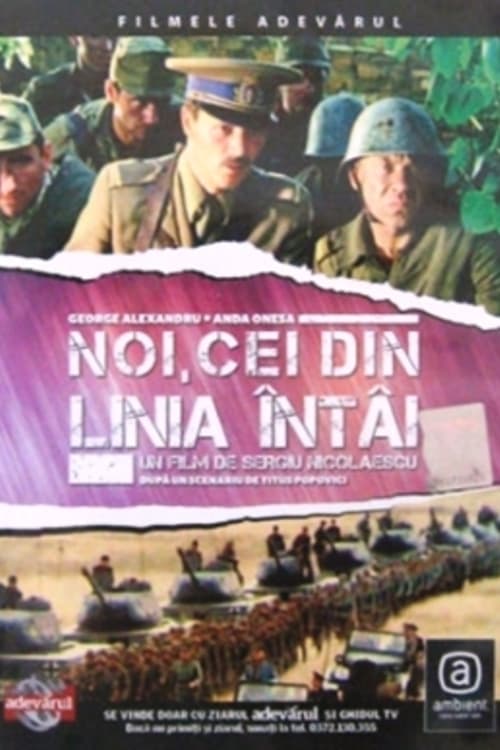
1985
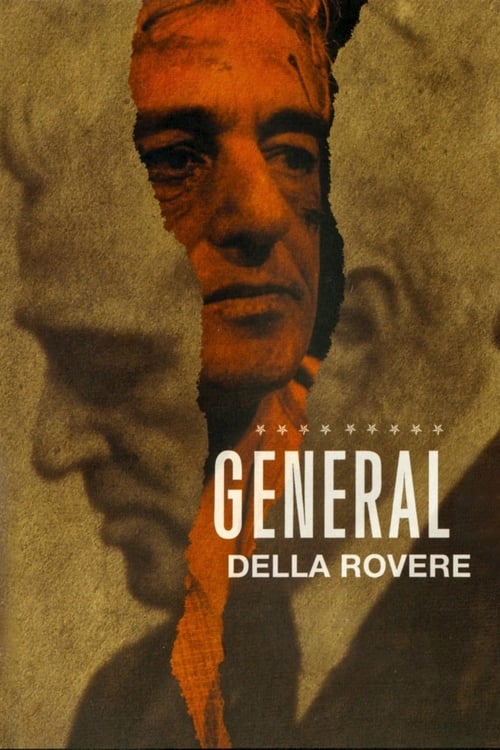
1959
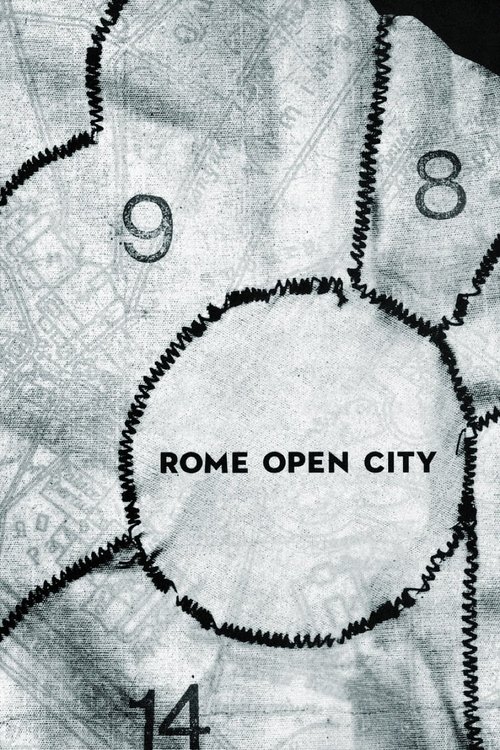
1945
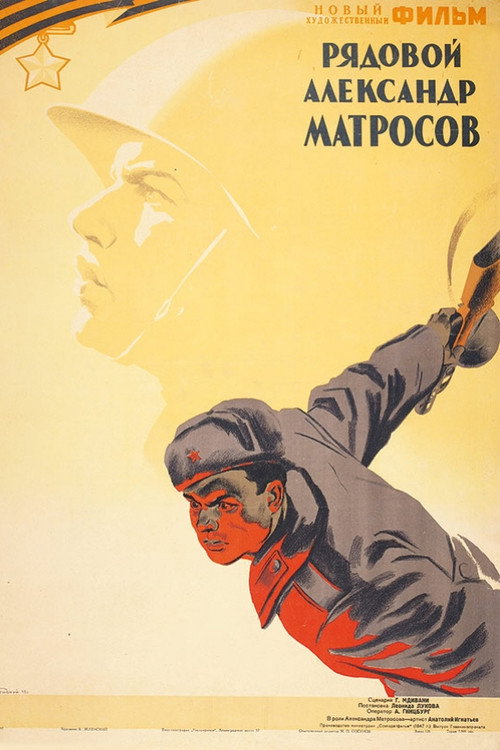
1947
1946
1976
1946
2013
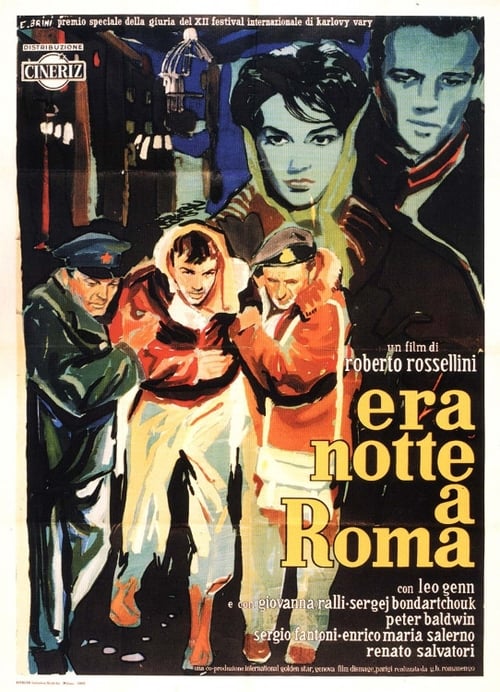
1960
No reviews yet. Be the first to share your thoughts on this movie!
Use the rating form above to leave a star rating and optional review.