
St Trinian's
2007
No user ratings available yet
Representation score: 7.7 out of 10
Representation Score
Fair
1998
PGDirector
Daisy von Scherler Mayer
Runtime
89 minutes
Average Rating
No ratings yetNew Showbiz Analysis
Madeline presents a film of contradictions, excelling in its subversion of gendered expectations while remaining demographically narrow. The protagonist disrupts 1950s social hierarchies, prioritizing personal autonomy over rigid etiquette. However, the film's impact is limited by its lack of characters who reflect more than one aspect of diversity, operating within a highly homogeneous, white socioeconomic enclave. Its demographic homogeneity prevents it from achieving a more inclusive score.
Category Breakdown
The film does not include explicit LGBTQ+ identities or same-sex intimacy. It explores female companionship but does not use queer perspectives to challenge the assumption that everyone is straight or cisgender.
Madeline challenges traditional gender roles by resisting submissive stereotypes. Her wit and active role disrupt expectations of passive femininity and patriarchal norms.
The cast is predominantly white and from an elite social class, lacking diversity. There is no color-blind casting or significant representation of different racial backgrounds.
The film critiques rigid Western class hierarchies and high-society etiquette. These structures are portrayed as barriers to personal authenticity and individual morality.
There are no prominent depictions of visible or invisible disabilities. Characters are defined by their social standing and adherence to social norms.
Present on Screen
Limited or Absent
Official Synopsis
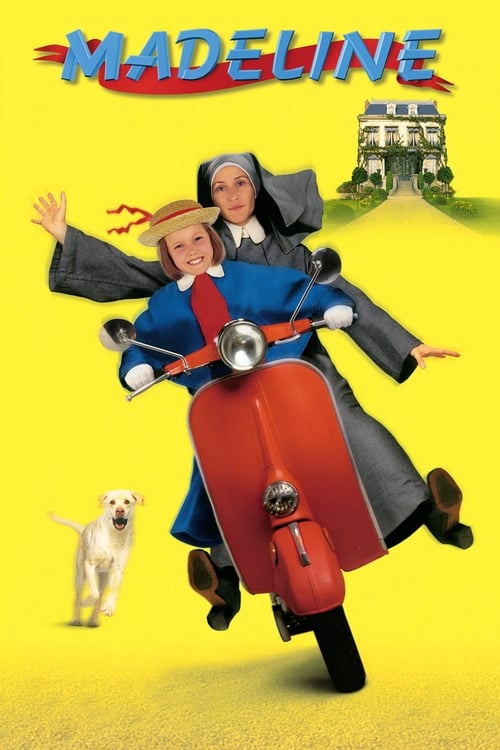
Horrified at the prospect of her beloved school being sold, a young French girl named Madeline uses her wit and craftiness to attempt to save it, making an unlikely new friend in the process.
2007

2015

1996

1999

2012

1977

2010

1996
No reviews yet. Be the first to share your thoughts on this movie!
Use the rating form above to leave a star rating and optional review.