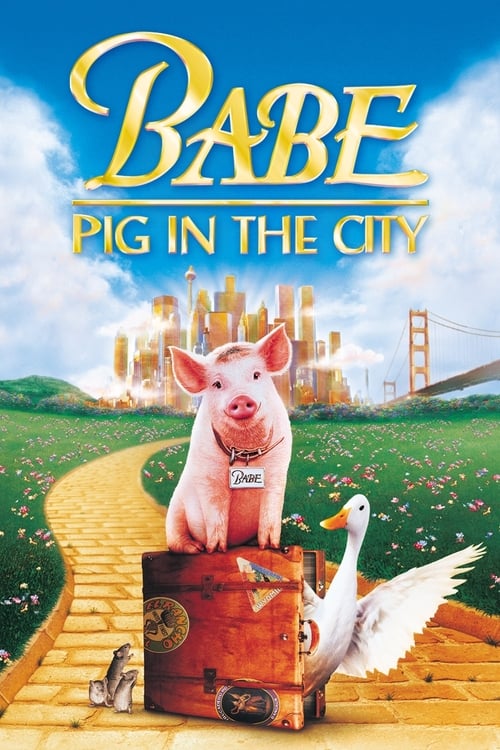
Babe: Pig in the City
1998
No user ratings available yet
Representation score: 4.0 out of 10
Representation Score
Limited
1995
GDirector
Chris Noonan
Runtime
92 minutes
Average Rating
No ratings yetNew Showbiz Analysis
Babe serves as a sophisticated allegory using anthropomorphic characters to challenge established social hierarchies. Its progressive value lies in the subversion of predetermined roles and the emphasis on individual ability to act over biological utility. However, the film lacks explicit demographic representation. Human characters adhere to traditional archetypes, and the rural setting remains culturally homogeneous, limiting its impact on racial and ethnic diversity. Ultimately, the film's strength is thematic rather than demographic. It explores the disruption of systemic structures through a non-human lens, focusing on merit and communication rather than identity politics.
Category Breakdown
The film does not include any LGBTQ+ characters or explore non-straight relationships. Social dynamics focus solely on family and species-based structures.
Fly the dog challenges biological expectations by taking on a maternal role for Babe. While human characters follow traditional archetypes, the central story emphasizes roles defined by social utility.
The setting is a homogeneous rural environment with no human-centric racial diversity. Non-human species are used as metaphors for social standing and underrepresented groups.
The narrative criticizes the view of living beings as mere commodities. It prioritizes individual empowerment and empathy over rigid, systemic hierarchies and the natural order.
No specific physical or neurodivergent disabilities are central to the story. Ferdinand the duck offers a minor exploration of non-conformity.
Present on Screen
Limited or Absent
Official Synopsis
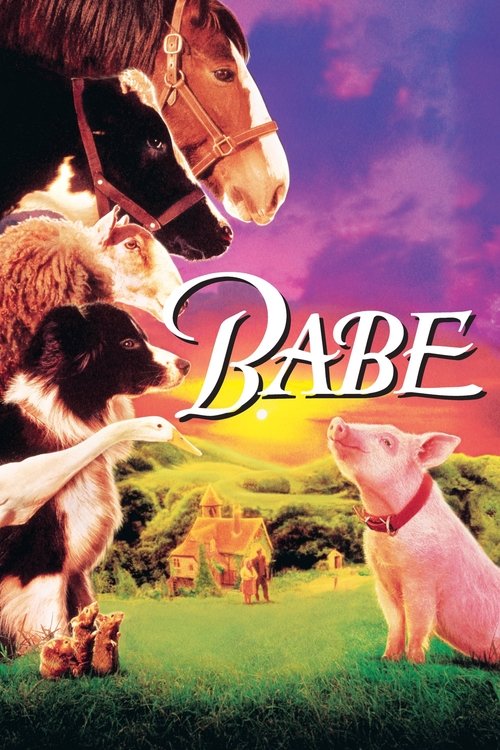
Babe is a little pig who doesn't quite know his place in the world. With a bunch of odd friends, like Ferdinand the duck who thinks he is a rooster and Fly the dog he calls mum, Babe realises that he has the makings to become the greatest sheep pig of all time, and Farmer Hoggett knows it. With the help of the sheep dogs, Babe learns that a pig can be anything that he wants to be.
1998
1973
2005
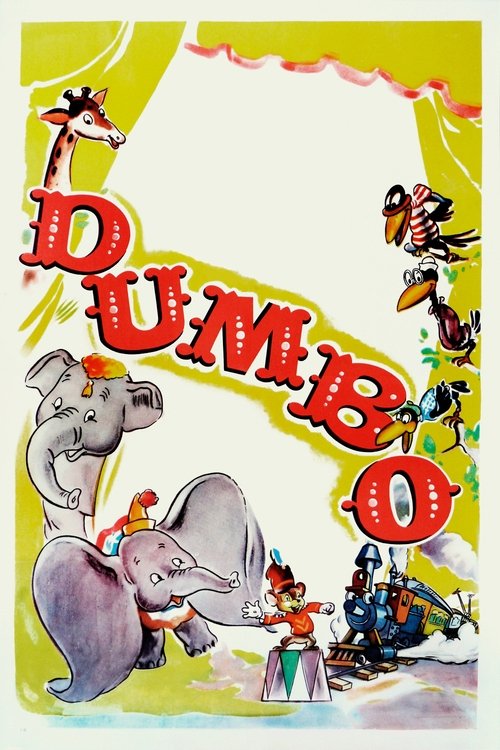
1941
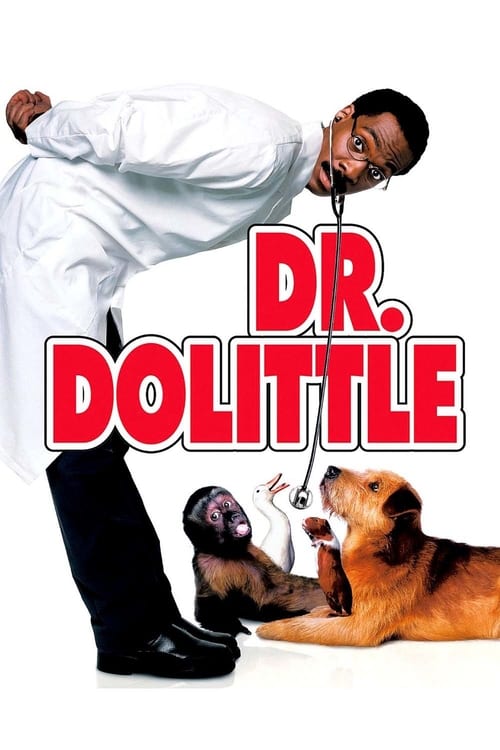
1998
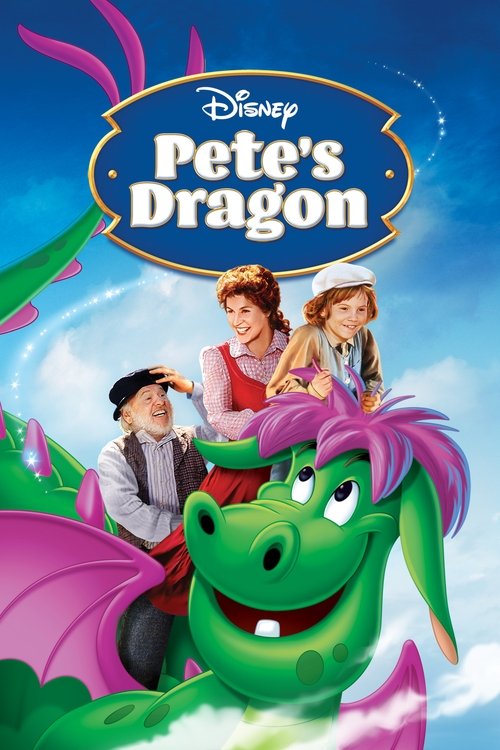
1977
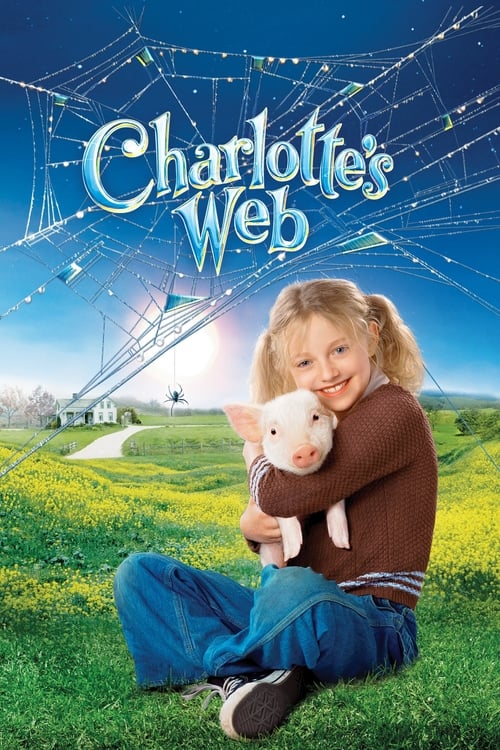
2006
1997
No reviews yet. Be the first to share your thoughts on this movie!
Use the rating form above to leave a star rating and optional review.