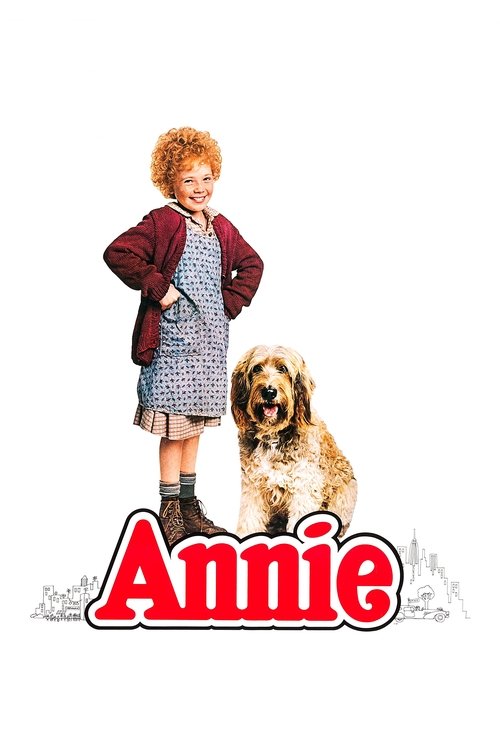
Annie
1982
No user ratings available yet
Representation score: 4.0 out of 10

Representation Score
Limited
1999
UnratedDirector
Rob Marshall
Runtime
90 minutes
Average Rating
No ratings yetNew Showbiz Analysis
Annie (1999) functions as a traditionalist musical that prioritizes sentimental storytelling and the restoration of established social hierarchies. While Annie displays significant resilience, the film operates within a very narrow social framework. The narrative reinforces conventional power dynamics by centering on white, wealthy archetypes and traditional family structures. It offers comfort through the validation of wealth and the nuclear family rather than challenging the systemic status quo of the era. Ultimately, the film lacks the intentionality needed to disrupt gender, racial, or systemic norms, opting instead for a polished, classical view of the historical period.
Category Breakdown
The film strictly follows the assumption that everyone is straight or cisgender, with no representation of non-straight or non-binary identities. Emotional arcs revolve around traditional family longing and heterosexual relationships.
Annie shows significant resilience and ability to act, breaking the passive child stereotype. However, the story centers on the male protagonist's stability and maintains a hierarchy based on male wealth.
The cast is predominantly white, focusing on a white protagonist and elite class. Despite being set in New York, the story lacks diverse characters and intentional multi-layered casting.
The narrative celebrates Western institutional values and the restorative power of the nuclear family. It emphasizes the benevolence of extreme wealth without critiquing capitalist structures.
No characters with visible or invisible disabilities are central to the story. The socioeconomic struggle is the primary focus rather than neurodivergence or physical disability.
Present on Screen
Limited or Absent
Official Synopsis
Things seem pretty bad for a young girl living a "hard-knock life" in an orphanage. Fed up with the dastardly Miss Hannigan, Annie escapes the run-down orphanage determined to find her mom and dad. It's an adventure that takes her from the cold, mean streets of New York to the warm, comforting arms of bighearted billionaire Oliver Warbucks - with plenty of mischief and music in between.
1982

2022

2014

1937
2005

2012
1979

1997
No reviews yet. Be the first to share your thoughts on this movie!
Use the rating form above to leave a star rating and optional review.