
You Are So Not Invited to My Bat Mitzvah
2023
No user ratings available yet
Representation score: 6.6 out of 10
Representation Score
Fair
1998
PG-13Director
Sarah Kernochan
Runtime
97 minutes
Average Rating
No ratings yetNew Showbiz Analysis
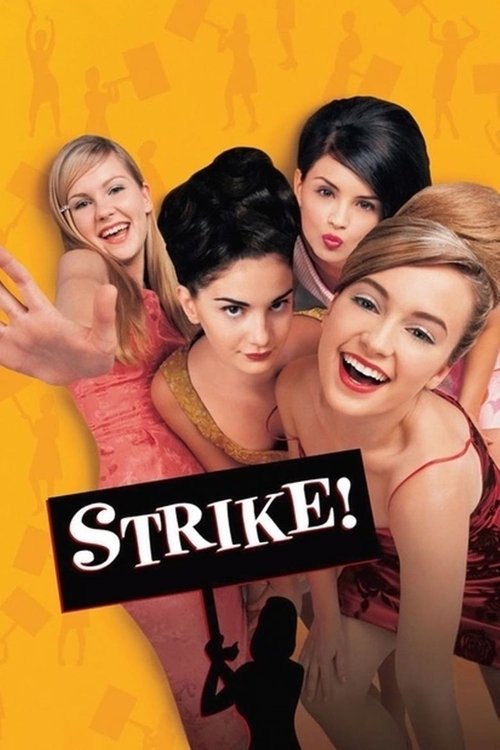
Strike! is a focused study on gendered power dynamics that disrupts patriarchal domesticity. By centering the plot on a collective movement for autonomy, the film offers a meaningful exploration of women's ability to drive the story. However, the film's impact is limited by its lack of multi-layered breadth, as it focuses on a narrow, affluent, and predominantly white demographic. Ultimately, the absence of LGBTQ+ representation and diverse ethnic identities restricts the film's scope to a specialized look at gendered social contracts.
Category Breakdown
The film does not include any queer identities or narratives, sticking to a traditional framework of marriage and domestic life.
The film challenges gender hierarchies by making a domestic strike the main plot driver. The protagonists take significant action, showing that traditional domestic roles can lead to imbalance and dissatisfaction.
The film features a homogeneous, primarily white cast with no evidence of diverse ethnic identities among the main characters, limiting its scope in reflecting multiple backgrounds.
By depicting the domestic sphere as a site of systemic inequity, the film questions established social hierarchies. It highlights the invisible labor of women to critique Western social institutions.
The film does not feature any prominent characters with physical or neurodivergent conditions, so there is no meaningful assessment of disability representation or ability to act.
Present on Screen
Limited or Absent
Official Synopsis
In 1963 New England, a group of friends at an all-girls academy learn that they're going to be combined with a nearby all-boys institution. They concoct a plan to save their school while dealing with everyday problems along the way.
2023

2018

2020

2002

2007
1980

2017
2008
No reviews yet. Be the first to share your thoughts on this movie!
Use the rating form above to leave a star rating and optional review.