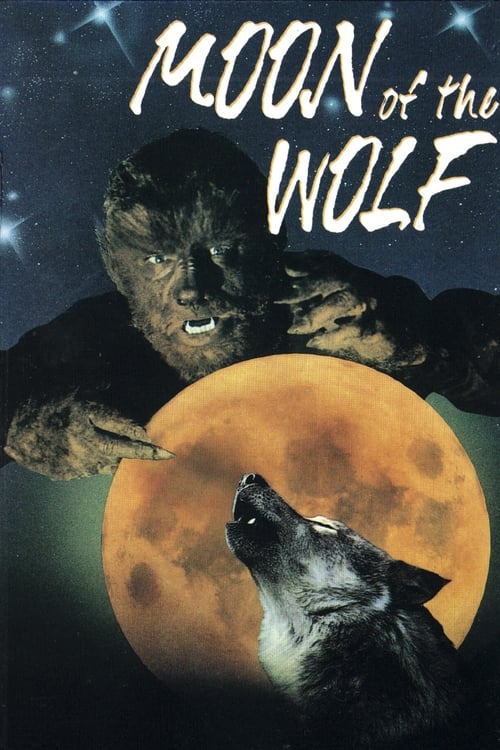
Moon of the Wolf
1972
No user ratings available yet
Representation score: 1.8 out of 10

Representation Score
Minimal
1974
PGDirector
Paul Annett
Runtime
93 minutes
Average Rating
No ratings yetNew Showbiz Analysis
The Beast Must Die is a conventional genre film that upholds the traditional social and demographic hierarchies of its era. It functions as a mid-1970s British suspense thriller centered on obsession and the psychological toll of a high-stakes pursuit. The film lacks intentionality regarding multi-layered identities. It adheres to established clichés, offering little disruption to the socio-cultural landscape or the homogeneous demographics typical of the period's cinema. Ultimately, the narrative remains rooted in a localized, class-based social structure. It fails to engage with diverse cultural, racial, or gender-based perspectives, making it a standard period piece.
Category Breakdown
The film does not include any LGBTQ+ characters or narratives. Interpersonal relationships follow traditional mid-century cinematic models without addressing non-straight identities.
The narrative revolves around the male protagonist's actions and decisions. The film adheres to traditional gender roles common in 1970s cinema without challenging established hierarchies.
The casting reflects a homogeneous demographic typical of 1970s British thriller cinema. The film does not feature a diverse cast that challenges the Anglo-centric norm of the time.
The moral framework aligns with standard suspense clichés without critiquing Western institutions. There is no indication of religious deconstruction or the promotion of secularism as a subversive tool.
The psychological tension focuses on paranoia and obsession rather than neurodivergence or physical disability. There is no prominent depiction of disability as a central element of character development.
Present on Screen
Limited or Absent
Official Synopsis
Wealthy big game hunter Tom Newcliffe has tracked and killed practically every type of animal in the world. But one creature still evades him, the biggest game of all - a werewolf.
1972
1943
1942
1939
1961
1959
1965
1941
No reviews yet. Be the first to share your thoughts on this movie!
Use the rating form above to leave a star rating and optional review.