
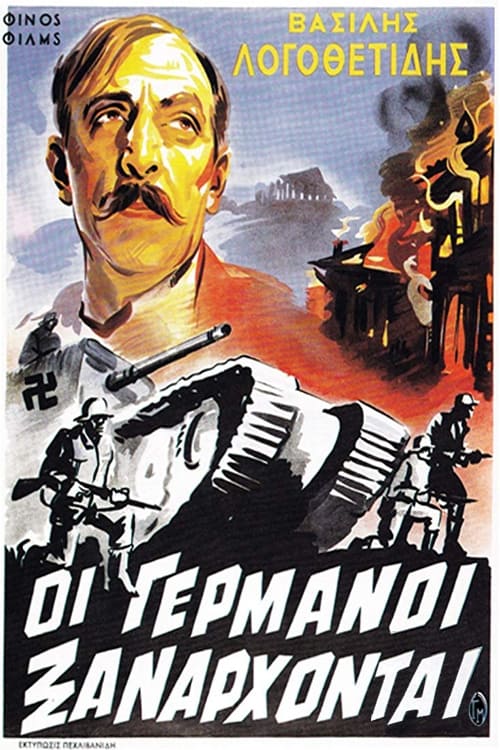
Hands Up, Hitler
1962
No user ratings available yet
Representation score: 4.5 out of 10
Representation Score
Limited
1948
Director
Alekos Sakellarios
Runtime
90 minutes
Average Rating
No ratings yetNew Showbiz Analysis
The film serves as a socio-political satire rather than a work focused on diverse identities. It employs a surrealist, nightmare-driven framework to address the trauma of the Nazi occupation and the Greek Civil War. Despite lacking contemporary markers of identity-based diversity, it offers a nuanced critique of state instability. It avoids purely celebratory post-war clichés by emphasizing the futility of violence. The narrative structure focuses on nationalistic and political themes, leaving limited space for diverse identity-based representation.
Category Breakdown
The film does not include any characters with non-binary gender identities or same-sex relationships. Its focus is on the broader political and societal issues of the time.
The narrative primarily centers around the male protagonist, Theodoros. Women likely play traditional domestic roles as seen in 1948 films.
The cast is predominantly Greek, reflecting the specific historical context of the Greek Civil War and Nazi occupation. It portrays the Nazis as the antagonists within a local setting.
The film provides a sophisticated critique of political violence and systemic exhaustion using surrealism. It disrupts traditional heroic clichés and nationalistic narratives.
There are no characters in the film who navigate physical or neurodivergent disabilities as central narrative elements.
Present on Screen
Limited or Absent
Official Synopsis
4 years after the Nazi occupation in Greece, the Greeks are involved in a Civil War and they are killing each other. Theodoros, a quiet and modest man, disgusted and disappointed, falls asleep and has a nightmare. Hitler is alive and the Nazis strike back with new, more powerful weapons.
1962

1949

1981
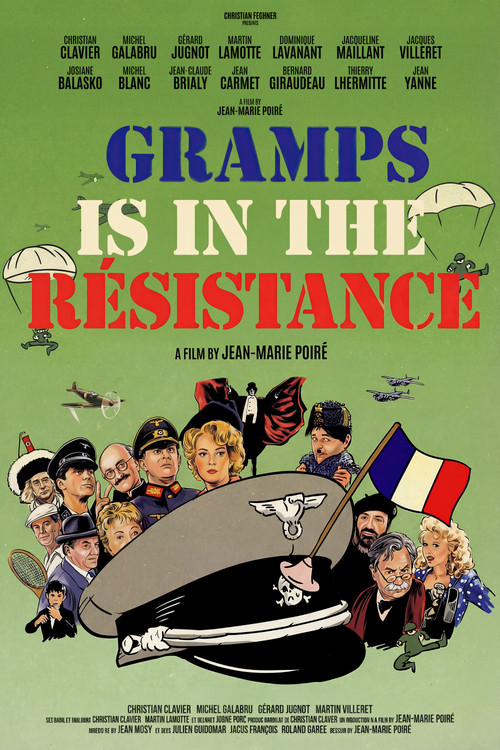
1983

2003

1998

1986
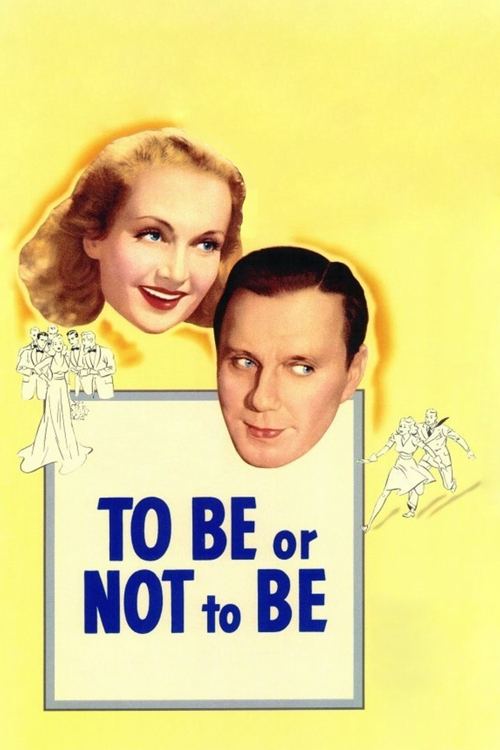
1942
No reviews yet. Be the first to share your thoughts on this movie!
Use the rating form above to leave a star rating and optional review.