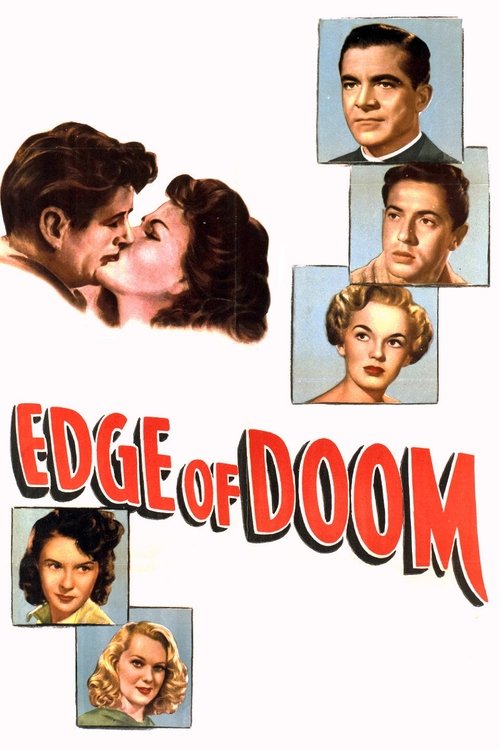
Edge of Doom
1950
No user ratings available yet
Representation score: 2.0 out of 10
Representation Score
Limited
1957
NRDirector
Harry Keller
Runtime
84 minutes
Average Rating
No ratings yetNew Showbiz Analysis
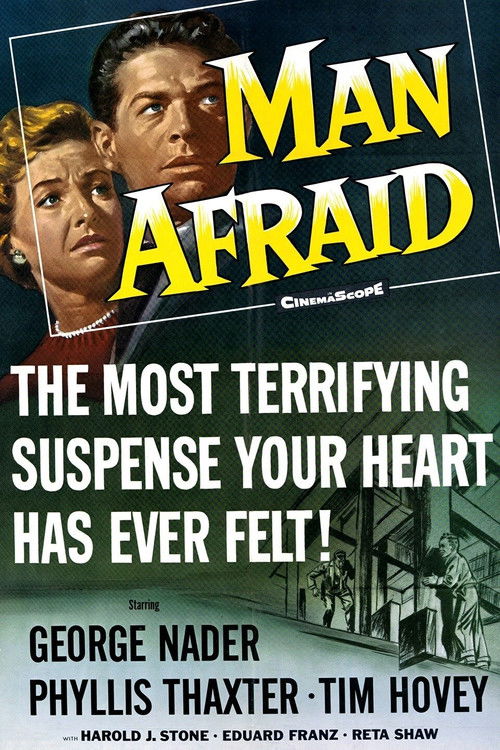
Man Afraid is a product of its era, prioritizing individual psychological conflict over diverse representation. The narrative structure reinforces conventional social hierarchies and traditional mid-century norms. The film’s focus remains on the domestic and professional anxieties of its male protagonist, limiting the presence of diverse perspectives or systemic critiques. While it touches on psychological instability, it does so through established genre clichés rather than nuanced depictions.
Category Breakdown
The film does not include any LGBTQ+ characters or explore non-straight identities. It adheres strictly to a traditional mid-century framework.
Male characters dominate the narrative, reinforcing roles as protectors and aggressors. Female characters mainly serve as emotional anchors and stakes for the protagonist.
The film lacks significant racial or ethnic diversity. Its setting reflects the homogeneous, predominantly white social landscapes typical of 1950s American small towns.
The story centers on the personal struggles of a religious figure, focusing on individual guilt rather than broader systemic issues. It examines moral tension through a character study.
The film explores mental fragility and paranoia through the protagonist. However, it relies on the 'unstable man' cliché common in noir-adjacent dramas.
Present on Screen
Limited or Absent
Official Synopsis
A preacher (George Nader) fears for his family (Phyllis Thaxter, Tim Hovey) after killing a teenage burglar whose father seeks revenge.
1950
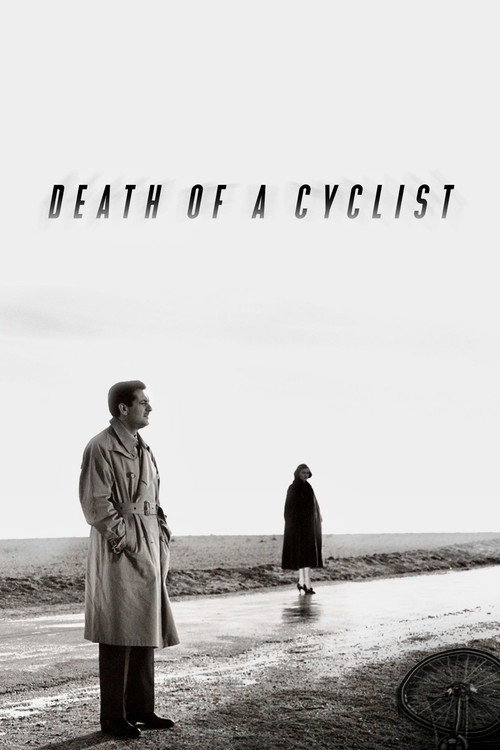
1955
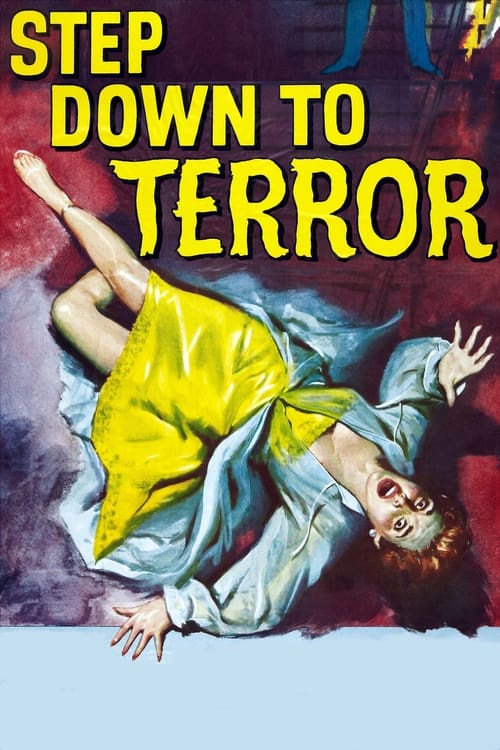
1958

1958
1947
1947
1956
1951
No reviews yet. Be the first to share your thoughts on this movie!
Use the rating form above to leave a star rating and optional review.