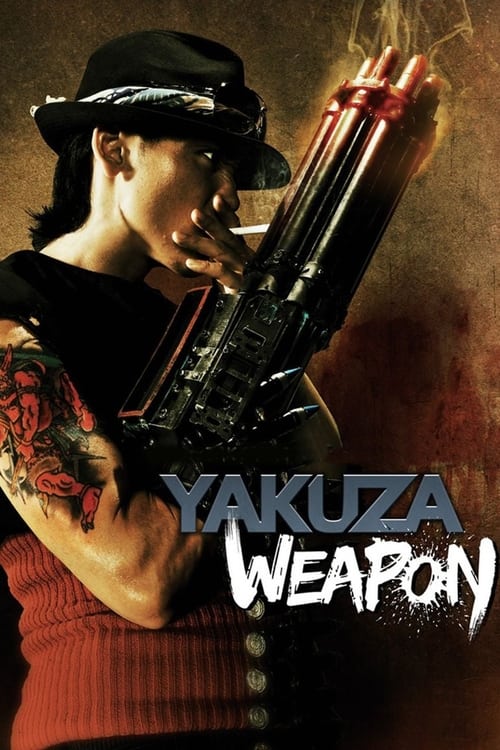
Yakuza Weapon
2011
No user ratings available yet
Representation score: 3.0 out of 10
Representation Score
Minimal
2005
RDirector
Yuji Shimomura
Runtime
90 minutes
Average Rating
No ratings yetNew Showbiz Analysis
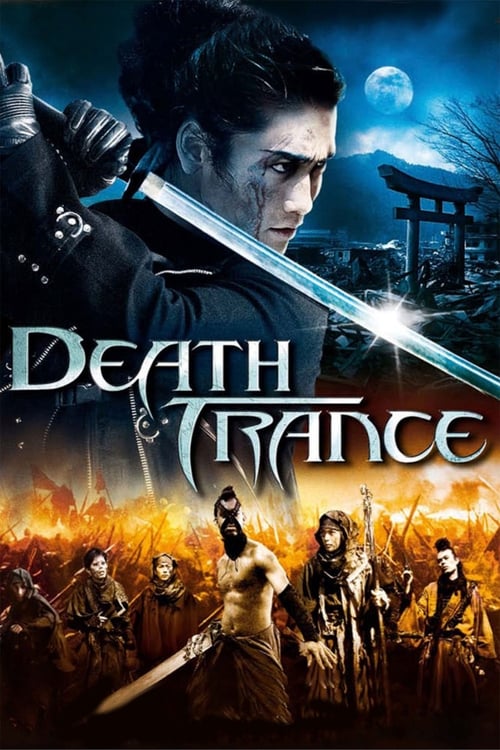
Death Trance is a stylized genre piece that prioritizes hyper-violence and surreal aesthetics over social complexity. The film operates within a narrow framework of traditional masculine archetypes and physical dominance, leaving little room for diverse perspectives or multi-layered identities. While the production maintains cultural authenticity through a predominantly Japanese cast, it remains within a traditional, homogeneous structure. The narrative avoids broader social, religious, or political critiques, focusing instead on the visceral experience of the lone combatant. Ultimately, the film functions as a postmodernist exercise in style, succeeding in its genre-specific goals but failing to engage with progressive frameworks or subvert established social hierarchies.
Category Breakdown
The film focuses entirely on a hyper-masculine combat framework. It does not include any characters who identify as LGBTQ or explore queer themes.
The story centers on male-driven combat and the lone warrior cliché. It lacks strong roles for women and does not challenge patriarchal structures.
The cast is predominantly Japanese, fitting the historical setting. However, it does not seek to disrupt ethnic hierarchies through diverse casting.
The film prioritizes graphic violence over broader social critiques. It does not engage significantly with religious, political, or anti-capitalist ideologies.
There is no representation of visible or invisible disabilities. Characters are defined solely by their physical prowess and martial skills.
Present on Screen
Limited or Absent
Official Synopsis
In an unknown place and unknown time, a lone Samurai known only as Grave thirsts for the ultimate battle.
2011

2007
1994

1974
1996
2001
2001
1978
No reviews yet. Be the first to share your thoughts on this movie!
Use the rating form above to leave a star rating and optional review.