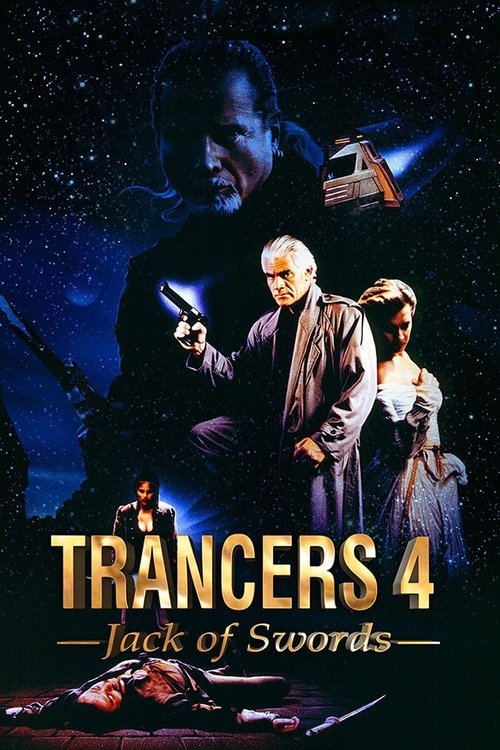
Trancers 4: Jack of Swords
1994
No user ratings available yet
Representation score: 3.4 out of 10
Representation Score
Limited
1994
RDirector
David Nutter
Runtime
91 minutes
Average Rating
No ratings yetNew Showbiz Analysis
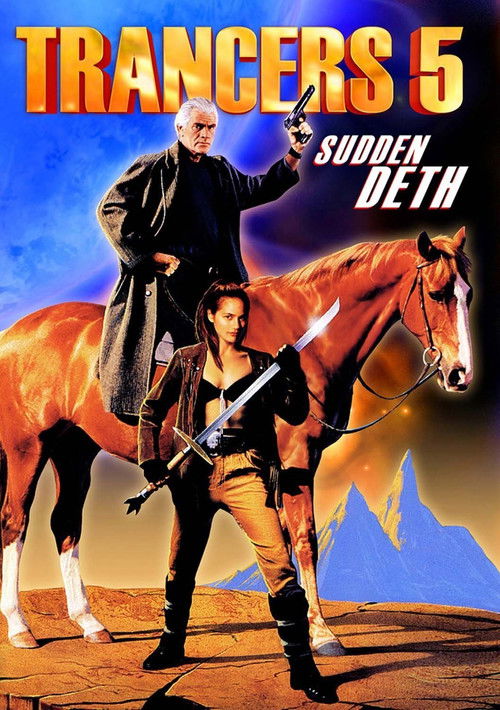
Trancers 5: Sudden Deth functions as a traditional genre piece that prioritizes pulp action and high-concept sci-fi mechanics over sociological exploration. The story centers around the established archetype of the hard-boiled hero, Jack Deth, navigating a fantastical landscape. The film operates within the conventional boundaries of 1990s action cinema. It relies on a 'lone hero' model and focuses on metaphysical conflicts rather than identity-based power dynamics or progressive narrative restructuring. Ultimately, the work emphasizes escapism and established clichés. It does not actively challenge social hierarchies or incorporate diverse perspectives into its central conflict.
Category Breakdown
The film does not feature any clear LGBTQ+ character arcs or non-traditional gender expressions. The main focus is on the protagonist's conflict with the Trancer threat.
The story heavily relies on the traditional masculine hero archetype. Jack Deth is the primary driver of the plot, embodying a singular masculine authority.
The extra-dimensional setting shifts attention away from Earth-based racial dynamics. The film does not make a concerted effort to include diverse identities or multi-layered casting.
The film explores themes of displacement and disrupted power structures. However, it lacks a sustained ideological framework or systemic critique of institutions.
There is no significant portrayal of characters with disabilities having ability to act. Trancers are framed as antagonistic threats rather than characters seeking representation.
Present on Screen
Limited or Absent
Official Synopsis
Jack Deth is back for one more round with the trancers. Jack must attempt to find his way home from the other-dimensional world of Orpheus, where magic works and the trancers were the ruling class (before Trancers IV, that is). Unfortunately, Jack's quest to find the mystical Tiamond in the Castle of Unrelenting Terror may be thwarted by the return of Caliban, king of the trancers who was thought dead.
1994
1988
1992
1998
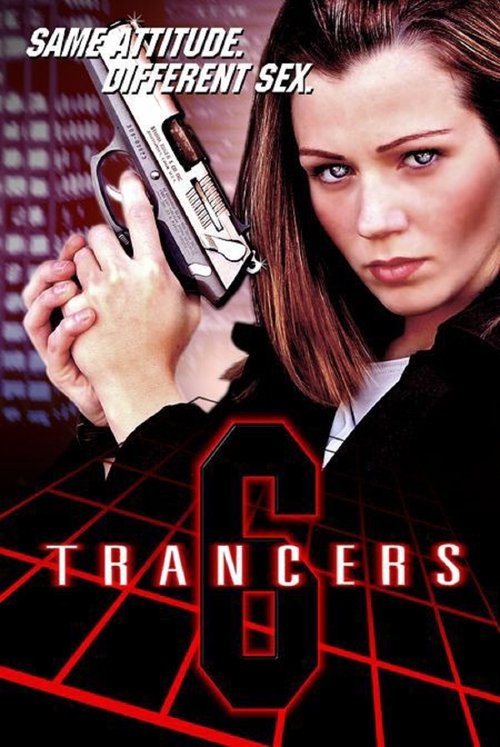
2002
1989
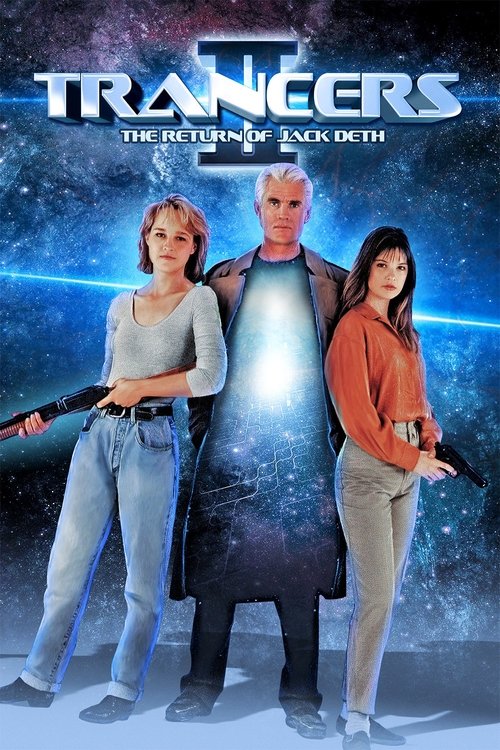
1991
1994
No reviews yet. Be the first to share your thoughts on this movie!
Use the rating form above to leave a star rating and optional review.