
Death Note: The Last Name
2006
No user ratings available yet
Representation score: 1.8 out of 10

Representation Score
Limited
2008
16+Director
Hideo Nakata
Runtime
128 minutes
Average Rating
No ratings yetNew Showbiz Analysis
Death Note: L Change the WorLd is a genre-driven thriller that prioritizes intellectual suspense over diverse representation. The narrative structure centers on a powerful male protagonist and adheres to traditional social and gender norms. The film relies on the 'lone genius' archetype, which reinforces conventional masculine stereotypes. While the protagonist's eccentricities hint at neurodivergence, they are used primarily to enhance his mystique rather than to explore disability in depth. Ultimately, the film lacks the intentionality needed to challenge social or cultural norms, focusing instead on the philosophical ambiguity of justice within a culturally specific, homogeneous setting.
Category Breakdown
The film centers on a male-dominated world where there is no representation of non-straight or non-cisgender identities or same-sex relationships.
The story emphasizes a male protagonist who holds intellectual dominance, while female characters play minor roles and have little influence over the story's direction.
The cast is predominantly made up of individuals from a similar ethnic background, reflecting a contemporary Japanese context. The narrative focuses on a specific cultural perspective.
The story delves into moral relativism by contrasting legal systems with vigilante justice, functioning as a localized examination of law rather than a broader critique.
L's unusual behavior serves as a character trait to indicate genius, functioning as a plot device rather than a detailed exploration of disability.
Present on Screen
Limited or Absent
Official Synopsis
"The human whose name is written in the Death Note shall die." After making the hardest decision ever, another serious case confronts L. There are only 23 days left and without his best partner Watari, L has to solve the case all by himself for the very first time.
2006
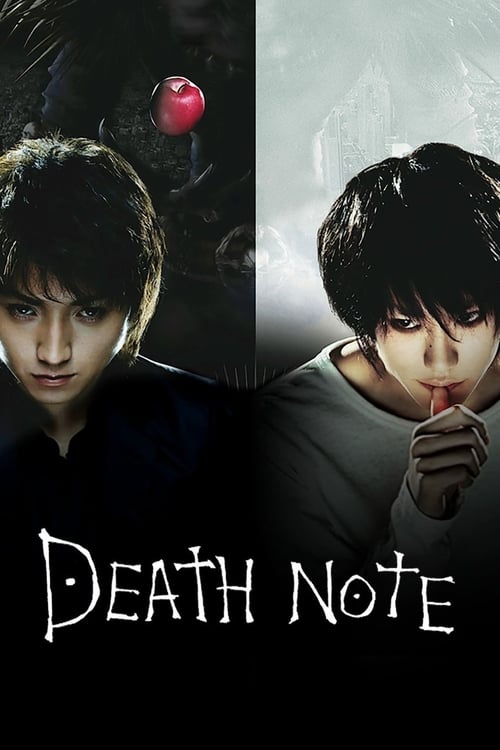
2006
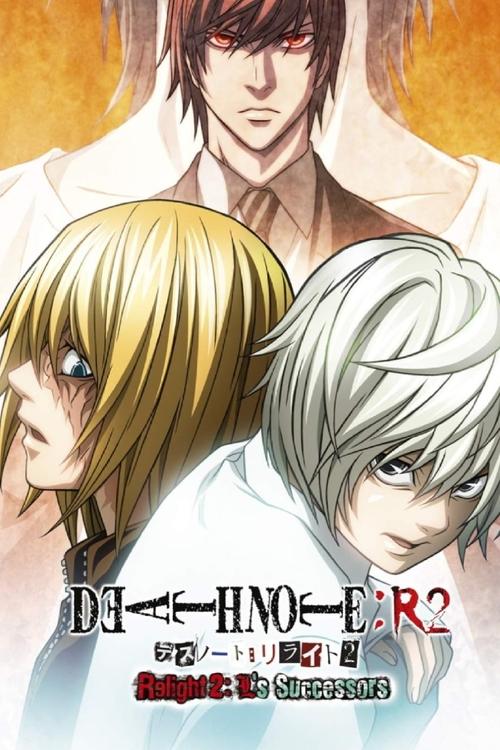
2009

2017
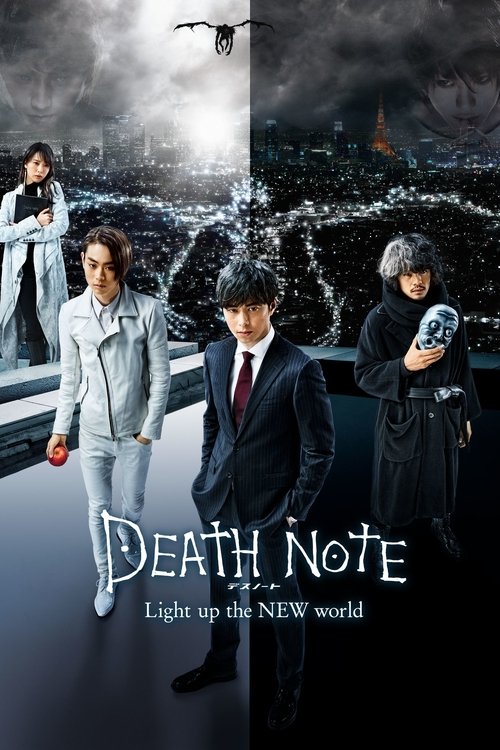
2016
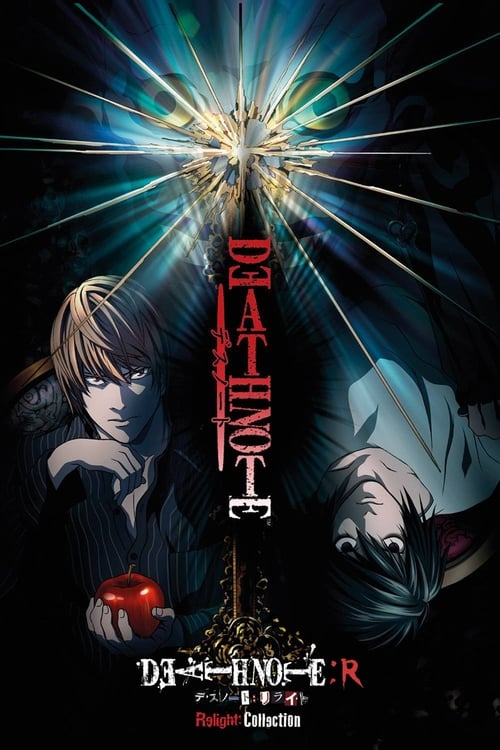
2007
No reviews yet. Be the first to share your thoughts on this movie!
Use the rating form above to leave a star rating and optional review.