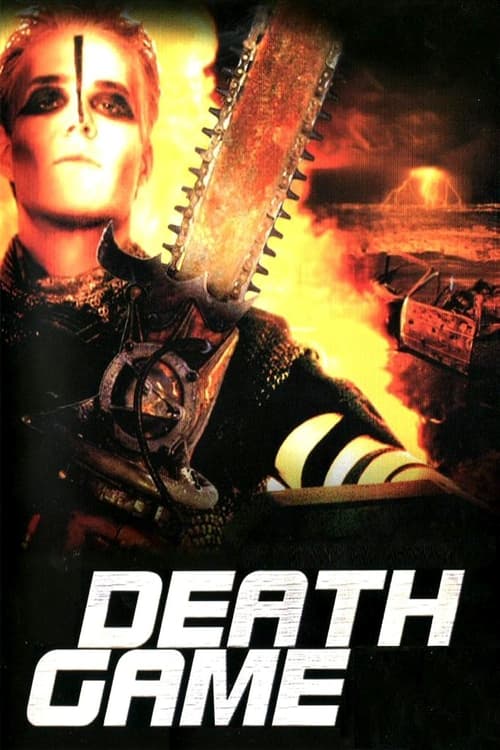
Death Game
1996
No user ratings available yet
Representation score: 4.5 out of 10
Representation Score
Fair
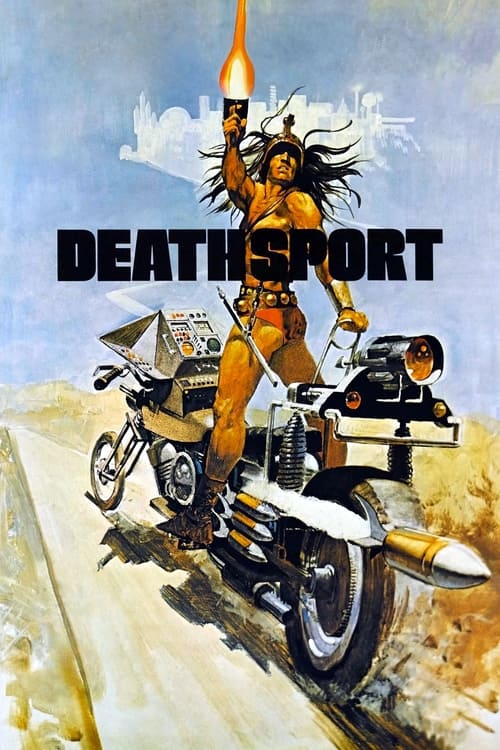
1978
RDirector
Allan Arkush, Nicholas Niciphor
Runtime
82 minutes
Average Rating
No ratings yetNew Showbiz Analysis
Deathsport is a genre-driven piece of 1970s science fiction that prioritizes high-stakes action over diverse representation. The film's world-building focuses on a gritty, lawless wasteland, serving as a backdrop for a critique of institutional corruption rather than showcasing diverse identities. While the film fails to provide meaningful representation for LGBTQ+, racial, or disabled communities, it excels in thematic depth. The narrative deconstructs how corporate and media entities exploit violence, offering a postmodern look at systemic exploitation. Ultimately, the film is a product of its era, relying heavily on traditional masculine archetypes and homogeneous casting, while challenging the morality of its fictional social structures.
Category Breakdown
The film follows traditional structures that assume everyone is straight or cisgender. It does not include visible LGBTQ+ characters or storylines that explore non-cisgender identities.
The story centers around male-dominated spaces and violent car chases. While Deneer acts as a supportive ally, the main roles and control remain with male characters.
The cast reflects a relatively uniform demographic common in low-budget 1970s dystopian sci-fi. It lacks significant racial diversity or intentional ethnic blending.
The film provides a sophisticated critique of how media entities exploit violence for profit in a corrupt society.
There are no characters with visible or invisible disabilities shown taking control or acting on their own terms. The film does not engage with neurodivergence or physical impairments.
Present on Screen
Limited or Absent
Official Synopsis
1000 years into the future, after the Great Neutron Wars, the world is divided into desert wastelands and isolated city-states. Notorious "Desert Ranger" Kaz is forced to fight in the DeathSport, dueling on futuristic motorcycle "Death Machines". With the help of renegade vixen Deneer, Kaz must face his past and fight to save himself and his people.
1996
1974
1993
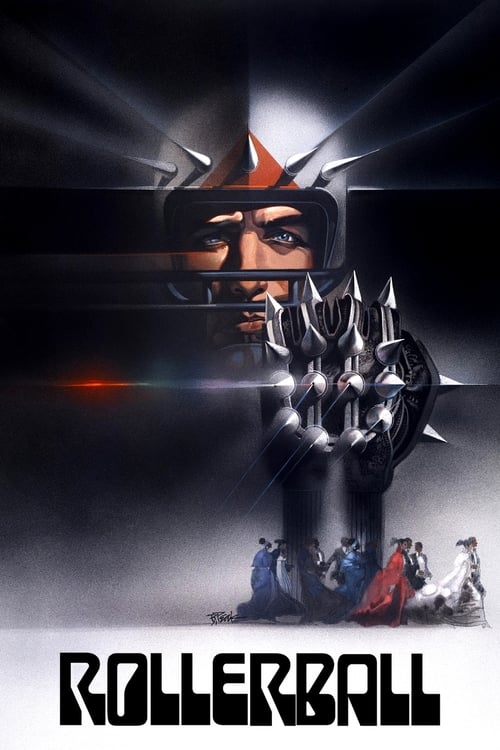
1975
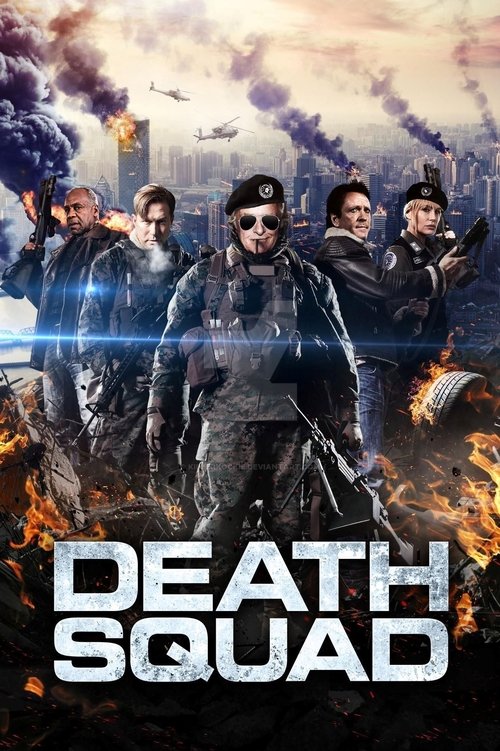
2014
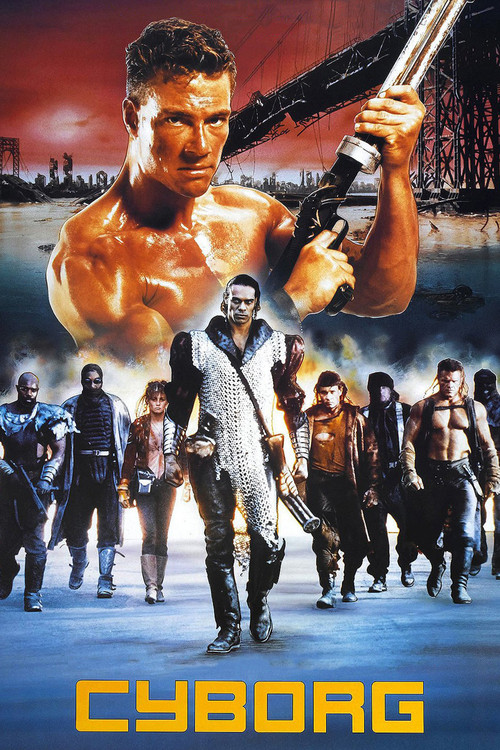
1989
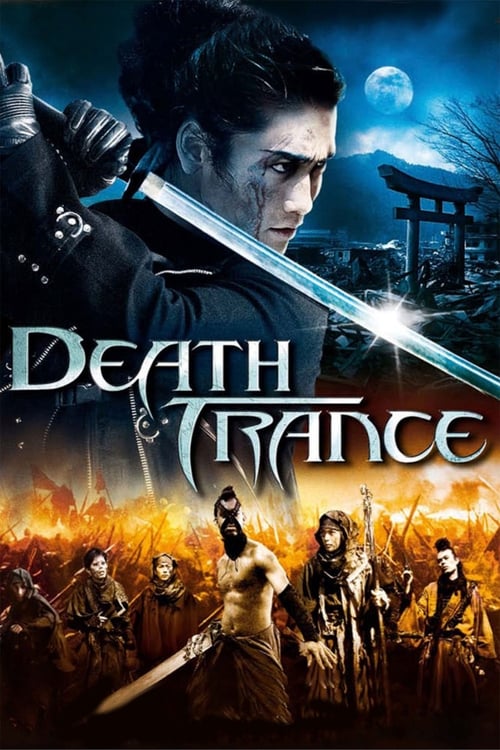
2005

1975
No reviews yet. Be the first to share your thoughts on this movie!
Use the rating form above to leave a star rating and optional review.