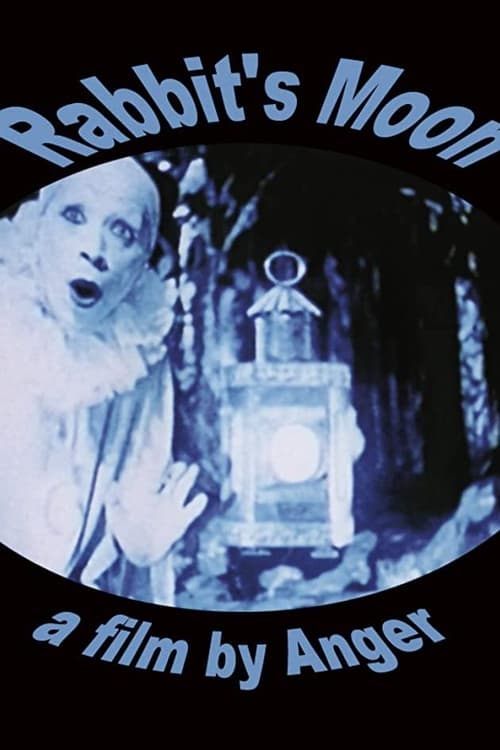
Rabbit's Moon
1979
No user ratings available yet
Representation score: 3.8 out of 10
Representation Score
Fair
1974
NRDirector
Kenneth Anger
Runtime
169 minutes
Average Rating
No ratings yetNew Showbiz Analysis
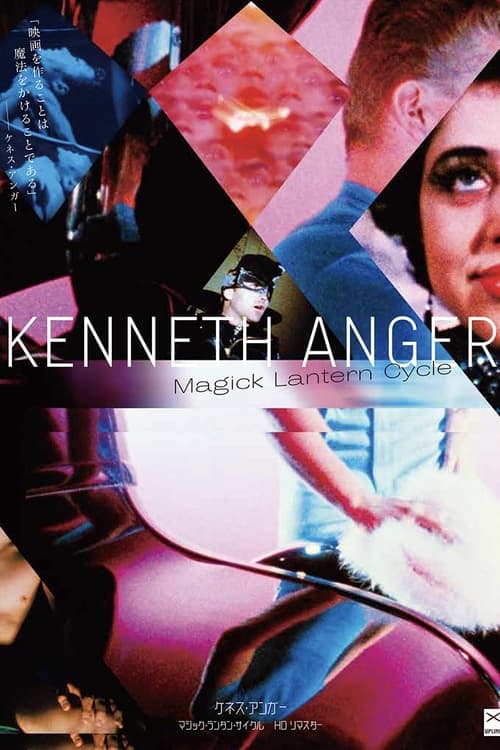
Kenneth Anger’s Magick Lantern Cycle is a foundational text for queer iconography, using homoeroticism to challenge straight-centered storytelling. By centering non-traditional desires, the work places LGBTQ+ identity at the forefront of the cinematic frame. While the cycle excels in subverting gender roles and religious hierarchies through occultism, it remains limited in its racial scope. The focus on Western esoteric traditions results in a lack of diverse racial representation. Ultimately, the collection is a study in transgressive aesthetics. It prioritizes individualistic spirituality and the disruption of social constraints over traditional character-driven realism.
Category Breakdown
The cycle serves as a cornerstone of queer cinema, focusing on non-straight desires. Films like Scorpio Rising use homoeroticism as a key part of the story to challenge conventional sexual norms.
Anger subverts traditional gender roles by presenting the male form as an object of sensual desire. This deconstructs rigid mid-century gender norms through a lens of non-conforming vulnerability.
The visual palette focuses heavily on Western esoteric traditions and mid-20th-century subcultural archetypes. Consequently, the work lacks a broad range of diverse racial representation.
The films prioritize Thelemic philosophy and occult rituals over traditional Christian morality. This embrace of the transgressive critiques the perceived sterility of established Western social norms.
The abstract and symbolic nature of these experimental films focuses on ritualistic imagery. There is no significant evidence regarding the portrayal of disability within the cycle.
Present on Screen
Limited or Absent
Official Synopsis
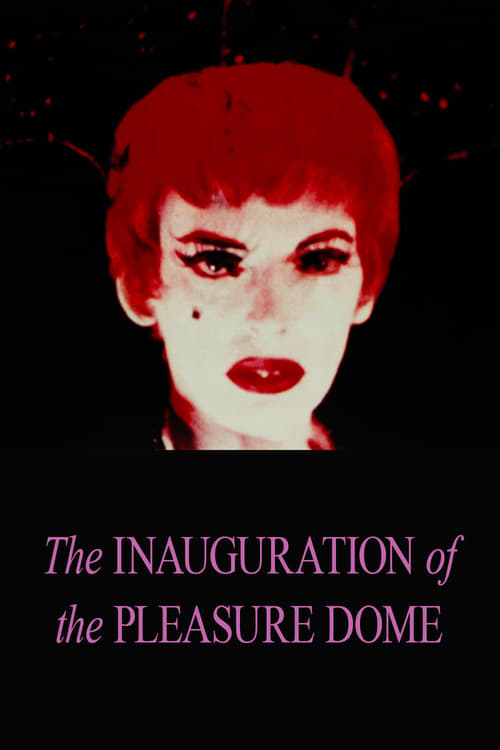
Cinematic magician, legendary provocateur, and author of Hollywood Babylon, Kenneth Anger was a unique figure in post-war American culture. His iconic short films are characterised by a mystical-symbolic visual language and phantasmagorical-sensual opulence that underscores the medium’s transgressive potential. Anger’s work fundamentally shaped the aesthetics of 1960s and 1970s subcultures, the visual lexicon of pop and music videos and queer iconography. These nine films form the basis of Anger’s reputation as one of the most influential pioneers of avant-garde film and video art. Fireworks, 1947, 14 min Puce Moment, 1949, 6 min Rabbit's Moon, 1950/1971, 16 min Eaux d'Artifice, 1953, 13 min Inauguration of the Pleasure Dome, 1954, 37 min Scorpio Rising, 1964, 28 min Kustom Kar Kommandos, 1965, 3 min Invocation of My Demon Brother, 1969, 11 min Lucifer Rising, 1981, 27 min
1979

1932

1974

1990
1954
2009
2002
1969
No reviews yet. Be the first to share your thoughts on this movie!
Use the rating form above to leave a star rating and optional review.