Puce Moment
1949
No user ratings available yet
Diversity score: 4.7 out of 10
1945
Director
Maya Deren
Runtime
2 minutes
Average Rating
No ratings yetSynopsis
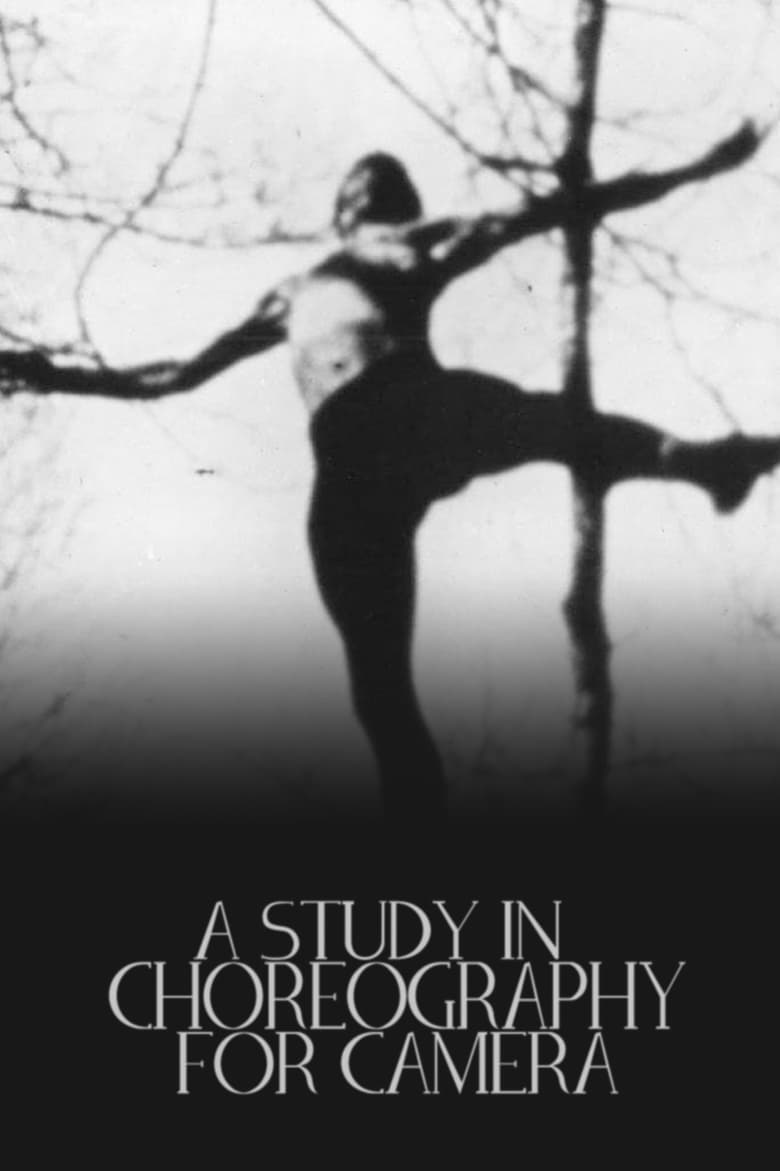
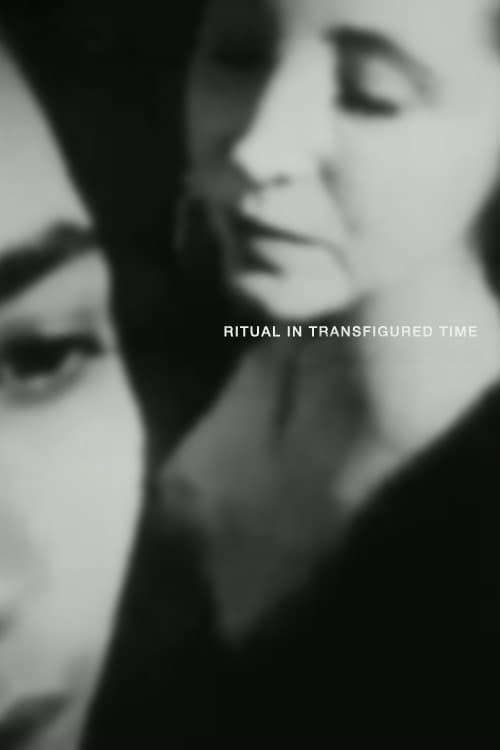
Maya Deren’s shortest, two-minute A Study in Choreography for Camera seems like an exercise piece to capture a dancer’s movement on celluloid, which later on developed into her masterpieces such as Ritual in Transfigured Time and Meditation on Violence.
Overall Score
Limited
Category Breakdown
LGBTQ+ Representation
The film functions as an abstract study of movement. It lacks interpersonal relationships, romantic pairings, or gender-identity-specific narratives.
Gender Representation
The work centers the human body as a medium for expression. It avoids traditional domestic or patriarchal archetypes by prioritizing movement over character roles.
Racial & Ethnic Diversity
The film focuses on the mechanics of choreography and rhythmic editing. There is no discernible evidence of racialized casting or ethnic narrative devices.
Religious & Cultural Diversity
The work operates through formalist abstraction rather than social commentary. It avoids promoting traditional Western institutions like religion or family.
Disability Representation
The film focuses on the aesthetic of choreographed movement. It does not address neurodivergence, physical disability, or mental health conditions.
Strengths
Areas for Improvement
AI Analysis
Maya Deren’s experimental short is a seminal piece of avant-garde cinema that prioritizes the deconstruction of the cinematic medium. It focuses on the relationship between the human body and the camera lens through rhythmic editing and spatial disruption. Because the film is non-narrative, it exists outside the frameworks of social hierarchy or interpersonal conflict. This formalist approach results in a work that is functionally neutral regarding identity-based representation. The absence of diversity scores is not due to the presence of harmful tropes, but rather the film's commitment to pure abstraction over social narrative.
1949
1981
1944
1946
No reviews yet. Be the first to share your thoughts on this movie!
Use the rating form above to leave a star rating and optional review.