
Eichmanns Ende
2010
No user ratings available yet
Representation score: 1.1 out of 10
Representation Score
Fair
2016
Director
Rosario Cervio, Martín Liji
Runtime
94 minutes
Average Rating
No ratings yetNew Showbiz Analysis
The film functions as an intellectual inquiry into historical accountability, avoiding overt identity politics and focusing on the mechanics of translation to frame a global catastrophe. By centering on a female professional navigating a high-stakes legal environment, the documentary provides a unique perspective on ability to act. The narrative's strength lies in its exploration of cross-cultural communication and the complexities of systemic justice. While the film lacks explicit representation of LGBTQ+ or disability themes, it disrupts conventional historical consumption through its focus on linguistic mediation and transnational identity.
Category Breakdown
The film does not focus on LGBTQ+ themes but instead centers on historical legal proceedings and linguistic mediation.
Renate, a female translator, plays a significant role in driving the story, providing a nuanced look at women's ability to influence a male-dominated historical and legal landscape.
The story explores the intersection of German, Argentine, and Israeli identities, challenging monolithic perspectives by highlighting the global movement of individuals and historical justice.
The documentary examines moral relativism and the deconstruction of power structures, critiquing how truth is mediated through language and institutional frameworks during the Eichmann trial.
There is no evidence of disability, neurodivergence, or chronic illness being central to the film's themes or characterizations.
Present on Screen
Limited or Absent
Official Synopsis
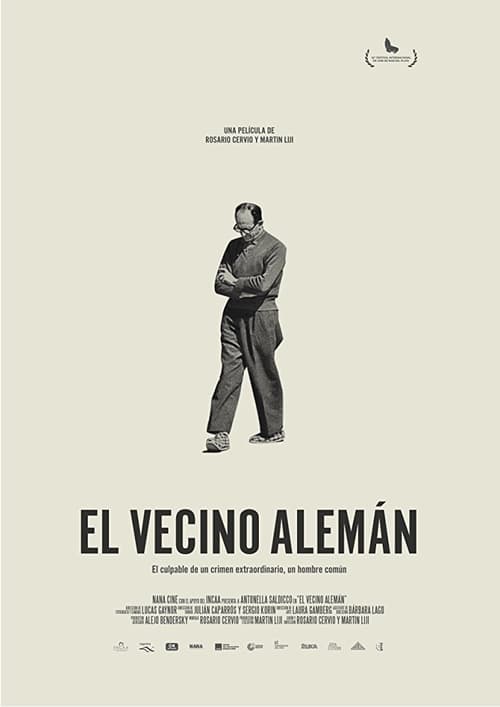
In 1960 Adolf Eichmann was kidnapped in Argentina and taken to Israel to face trial. In 2016, Renate -a young German translator who lives in Buenos Aires- is hired to translate it. Her work shows the unusual life and remarkable trial defense of Eichmann.
2010
2015

1997

2015

1999
1998
2011

2012
No reviews yet. Be the first to share your thoughts on this movie!
Use the rating form above to leave a star rating and optional review.