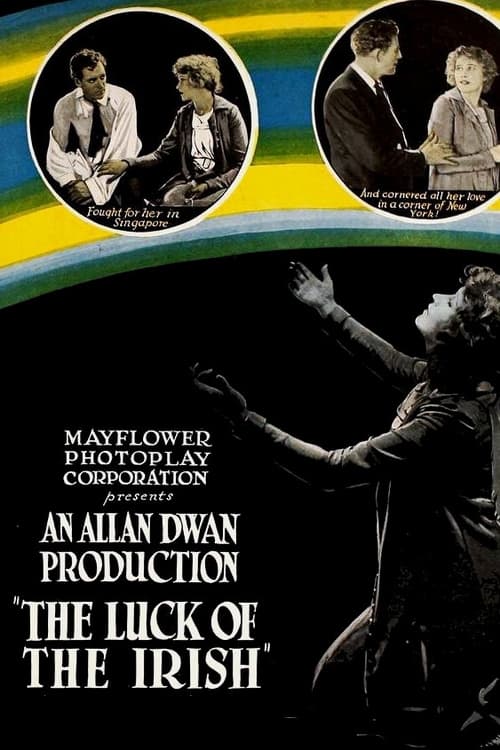
The Luck of the Irish
1920
No user ratings available yet
Diversity score: 1.8 out of 10
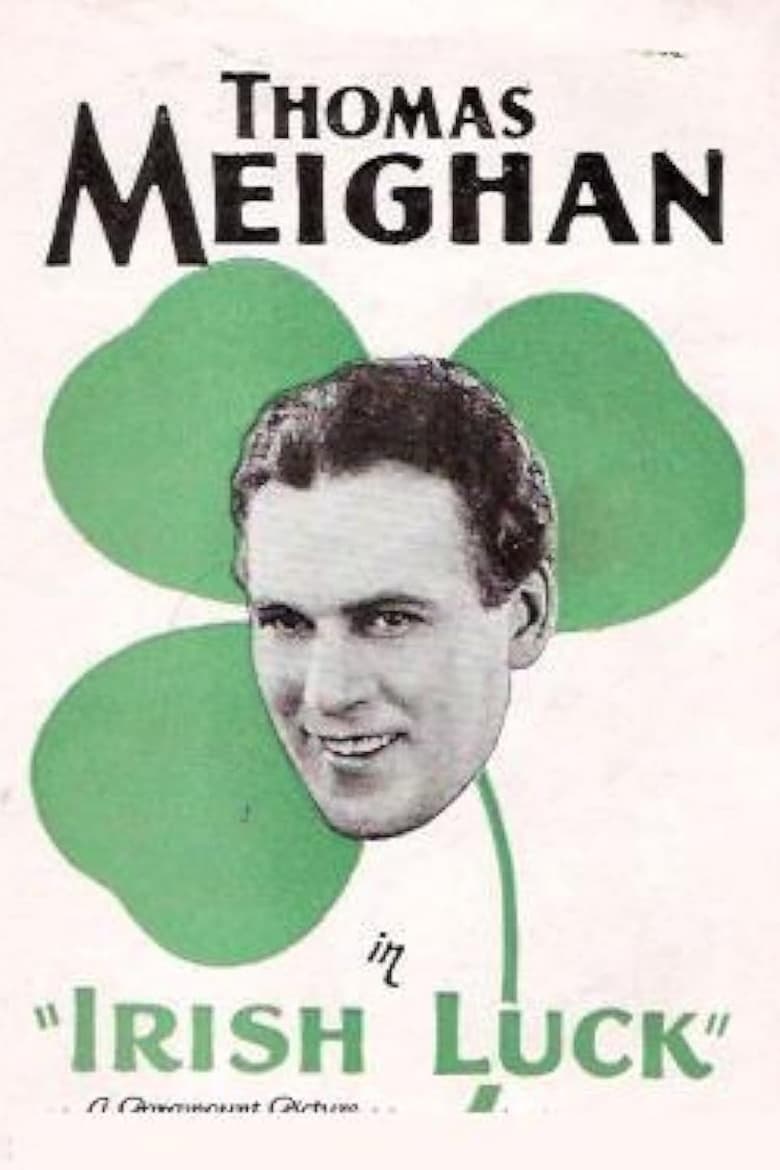
1925
PASSEDDirector
Victor Heerman
Runtime
84 minutes
Average Rating
No ratings yetSynopsis
Tom Donahue, a New York traffic cop, wins a trip to Europe in a newspaper contest, and he decides to visit relatives in Ireland. Arriving in Dublin, he learns that he is an exact double for Lord Fitzhugh, a young Irish aristocrat with whom he becomes friends. The Earl of Killarney, Fitzhugh's uncle, who is on his deathbed, wishes to see his favorite nephew and wipe out past animosities. Fitzhugh, in the meantime, has disappeared, and his sister, Lady Gwendolyn, persuades Tom to take his place.
Overall Score
Limited
Category Breakdown
LGBTQ+ Representation
The film follows traditional heteronormative structures common to the 1920s. There is no evidence of non-cisnormative identities or same-sex intimacy within the narrative.
Gender Representation
Lady Gwendolyn provides a degree of agency by driving the central plot. However, her role remains tied to traditional expectations of social and familial mediation.
Racial & Ethnic Diversity
The story explores Irishness through the lens of class distinction. The cast appears homogeneous, reflecting the Western and Anglo-Irish cinematic norms of the era.
Religious & Cultural Diversity
The plot reinforces the importance of lineage and the stability of the landed gentry. It upholds traditional social hierarchies rather than critiquing them.
Disability Representation
No characters are identified with visible or invisible disabilities. The plot focuses on identity substitution and familial duty.
Strengths
Areas for Improvement
AI Analysis
Irish Luck is a conventional period drama that relies heavily on the 'double' trope to navigate class distinctions. While it offers a moment of female agency through Lady Gwendolyn, the film ultimately serves to uphold established social hierarchies and aristocratic values. The narrative lacks meaningful representation of LGBTQ+ identities or diverse racial backgrounds, focusing instead on a homogeneous Western context. It functions as a standard studio-era production that prioritizes traditional familial reconciliation over social subversion. Ultimately, the film's exploration of identity is rooted in class and nationality rather than a deconstruction of systemic social structures.
1920
1929
1946
1918
1934
1916
1932
1931
1931
1917
1923
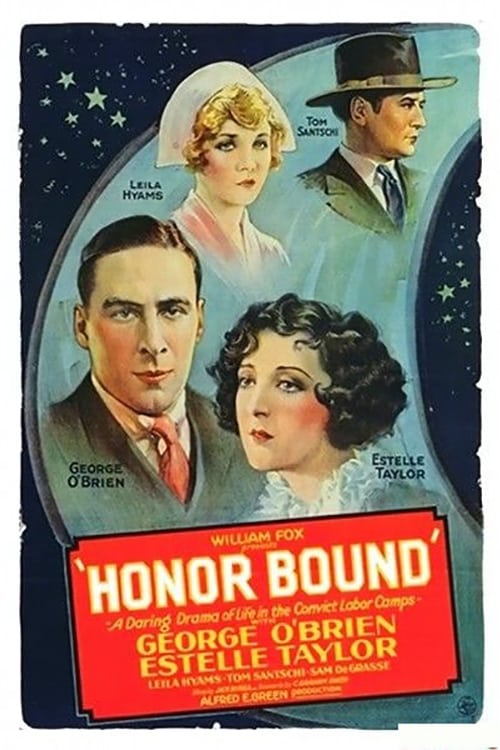
1928
No reviews yet. Be the first to share your thoughts on this movie!
Use the rating form above to leave a star rating and optional review.