Madame de Thèbes
1915
No user ratings available yet
Diversity score: 3.8 out of 10
1916
Director
Sidney Olcott
Runtime
48 minutes
Average Rating
No ratings yetSynopsis
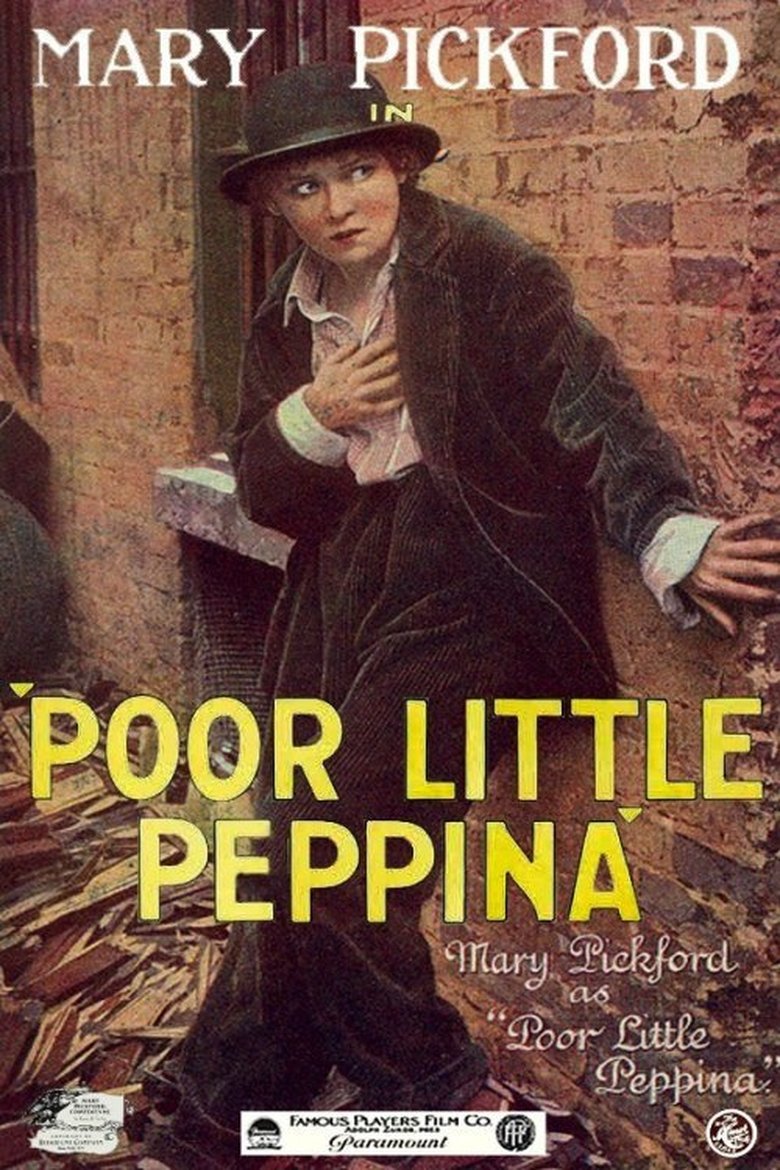
Holding a grudge against Robert Torrens and his wife, who live in Italy, a member of the Mafia kidnaps their infant daughter Lois. Fifteen years later, after having been raised by Italian peasants, Lois, now called Peppina, dresses as a boy and stows away on a ship to America in order to avoid a marriage to a particularly loathsome count. While aboard ship she befriends Hugh Carroll, an assistant district attorney, who arranges first-class transportation for the "boy." In New York, she once again meets her kidnapper, who fled to America after the crime. He forces Peppina to maintain the masculine disguise and to pass counterfeit bills for him, for which she is arrested. Peppina gladly exposes the kidnapper's operation to the authorities, one of whom, Hugh, recognizes her as the "boy" he met on the ship. Then, once the kidnapper has been apprehended, Peppina is reunited with her parents, after which she and Hugh, who has finally discovered that she is female, get married.
Overall Score
Fair
Category Breakdown
LGBTQ+ Representation
Peppina utilizes a masculine disguise to navigate social and legal obstacles. While this cross-dressing provides agency, the story concludes with a return to heteronormative marriage structures.
Gender Representation
The film centers a female protagonist who successfully navigates male-dominated spaces. Peppina demonstrates significant intellectual agency and resilience by outmaneuvering both a count and a criminal kidnapper.
Racial & Ethnic Diversity
The narrative transitions from an Italian peasant environment to the urban landscape of New York. The protagonist's identity is shaped by her upbringing within a non-Anglo-Saxon culture.
Religious & Cultural Diversity
The story contrasts Italian peasant life with American legal structures. It ultimately reinforces Western institutions and the sanctity of the traditional nuclear family unit.
Disability Representation
There are no visible or invisible disabilities portrayed as central to the character arcs or plot progression.
Strengths
Areas for Improvement
AI Analysis
Poor Little Peppina offers a fascinating look at early cinematic agency through its protagonist. Peppina’s ability to subvert gender expectations to survive maritime travel and criminal underworlds provides a nuanced departure from passive female archetypes. However, the film's progressive character beats are tempered by a conservative narrative resolution. The story relies on traditional Western institutions and the restoration of the nuclear family to resolve its conflicts. While the international setting provides a diverse backdrop, the film ultimately follows a standard Western trajectory, balancing unique character agency with era-specific moral frameworks.
1915

1959
1932

1940

1925

2019
1916
1923
1912

1929

1937
1917
No reviews yet. Be the first to share your thoughts on this movie!
Use the rating form above to leave a star rating and optional review.