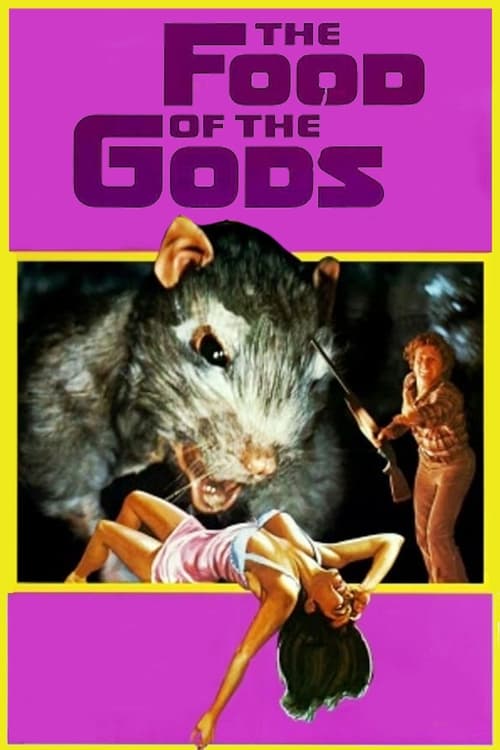
The Food of the Gods
1976
No user ratings available yet
Representation score: 0.5 out of 10
Representation Score
Minimal
1972
PGDirector
William F. Claxton
Runtime
88 minutes
Average Rating
No ratings yetNew Showbiz Analysis
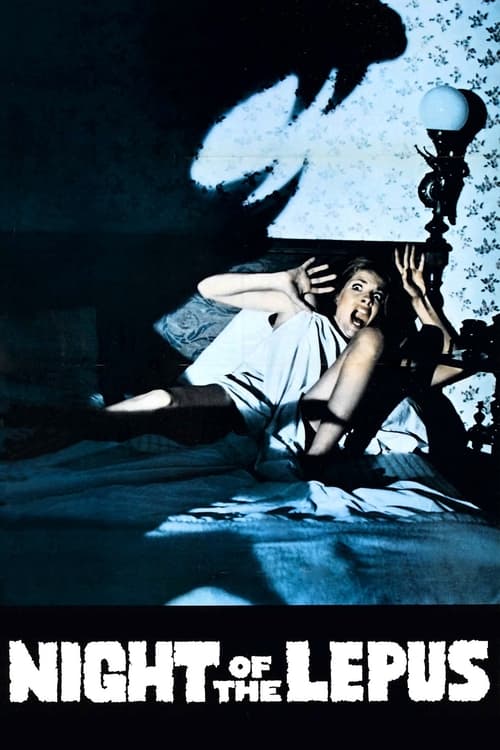
Night of the Lepus primarily functions as a 'Man vs. Nature' creature feature, focusing on the biological threat of mutated rabbits rather than social or systemic issues. The film's themes are rooted in ecological horror and the unintended consequences of scientific hubris following nuclear testing. While the film offers a mild critique of mid-century technological progress, it does so through standard genre clichés. It does not attempt to challenge or engage with traditional social, racial, or gendered hierarchies, instead reinforcing the status quo of its era. Ultimately, the film is a product of its 1970s budgetary and temporal context, prioritizing survivalist tension over diverse representation or social disruption.
Category Breakdown
The film does not include any LGBTQ+ characters or narratives. The social environment is strictly oriented towards straight relationships, reflecting the cinematic standards of the 1970s.
Male characters such as the scientist and rancher play prominent roles, while female characters have more conventional, reactive positions within the town's social structure.
The cast is predominantly white, reflecting the demographic trends of early 1970s American genre filmmaking. The setting emphasizes a traditional, Anglo-centric social framework.
The narrative critiques nuclear testing and scientific overreach through its depiction of ecological disaster. However, it maintains a traditional moral framework focused on survival.
No visible or invisible disabilities are portrayed as central to the character arcs. No characters with disabilities are used as narrative devices.
Present on Screen
Limited or Absent
Official Synopsis
Rancher Cole Hillman is fed up of rabbits plaguing his fields. Zoologist Roy Bennett conducts an experiment to curb their population, but it gives rise to giant rabbits that terrorise the town.
1976
1974
1959
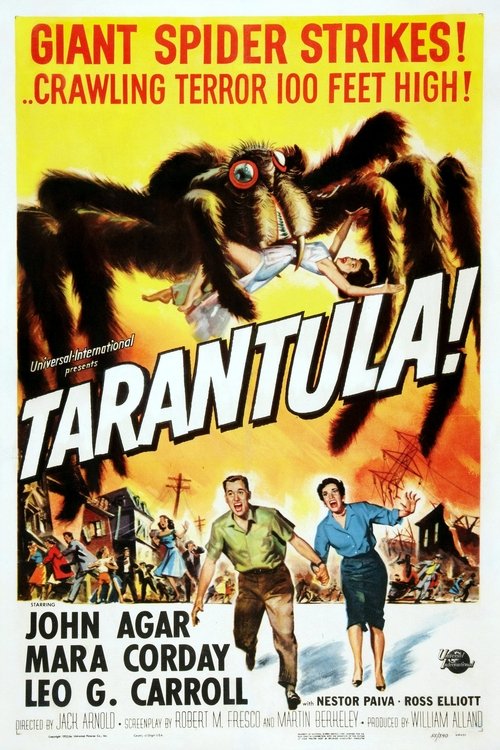
1955
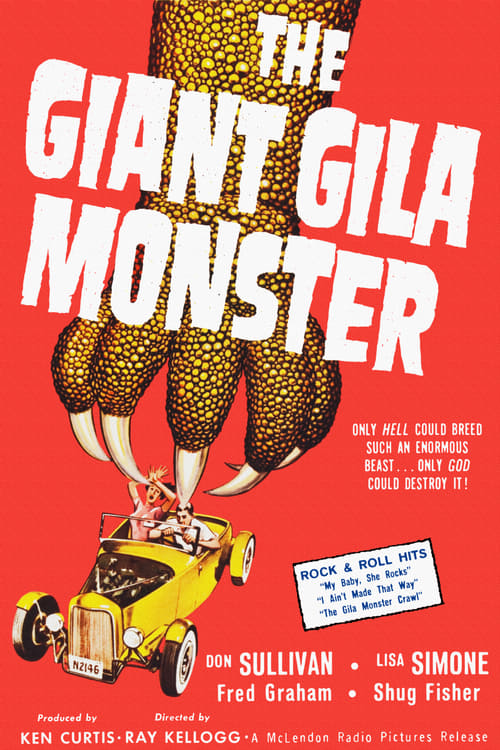
1959
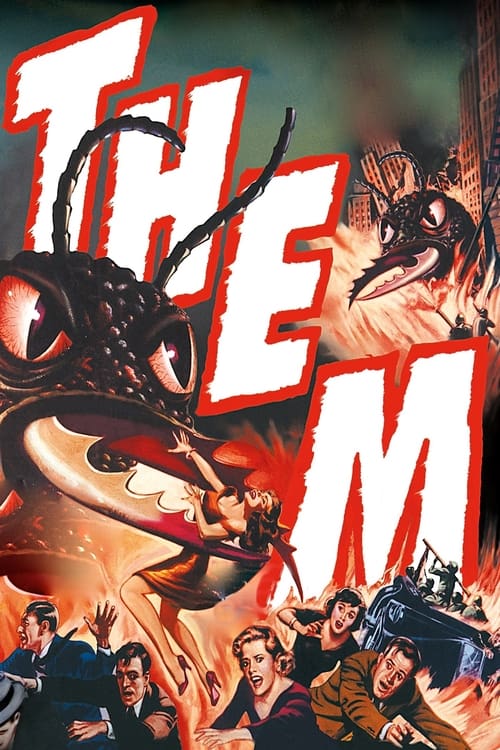
1954
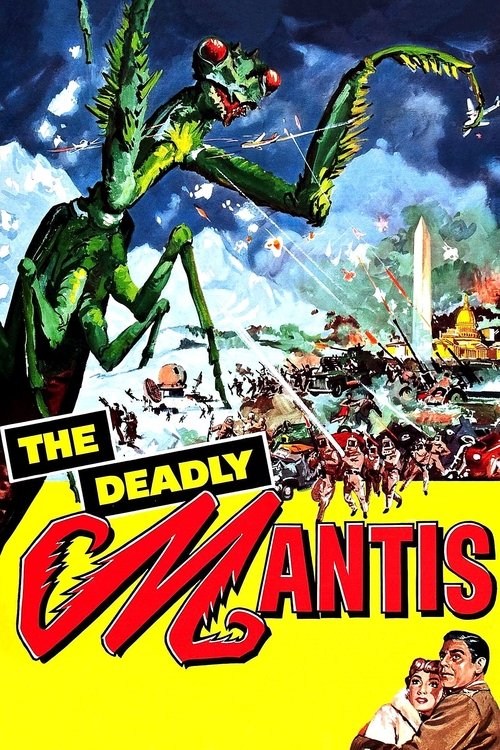
1957
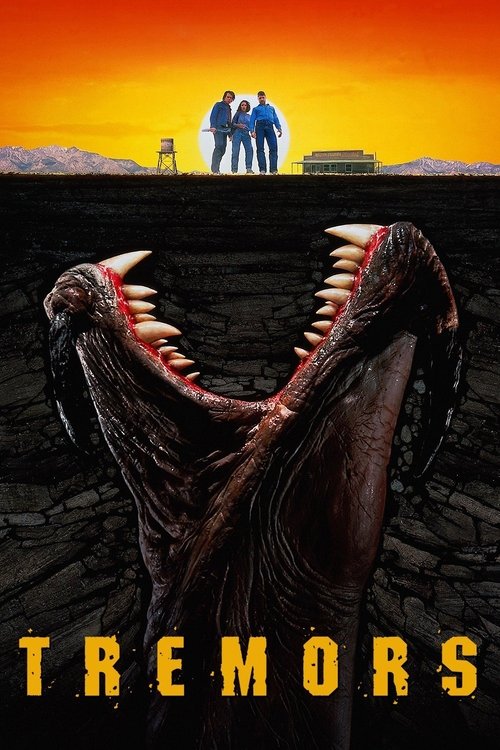
1990
No reviews yet. Be the first to share your thoughts on this movie!
Use the rating form above to leave a star rating and optional review.