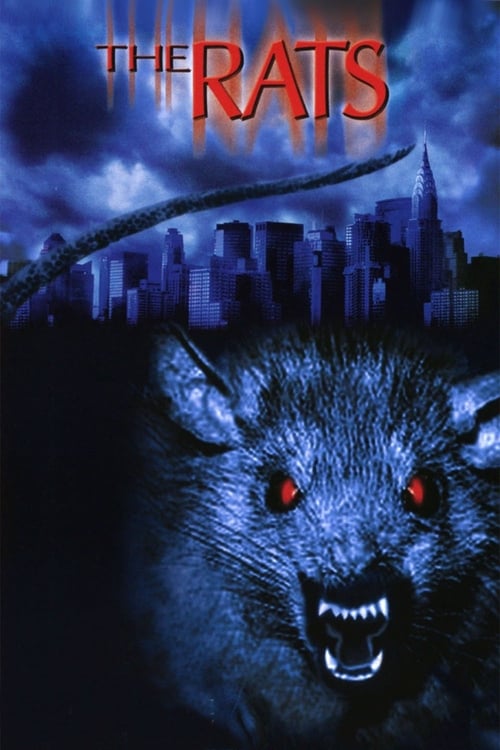
The Rats
2002
No user ratings available yet
Representation score: 0.9 out of 10
Representation Score
Limited
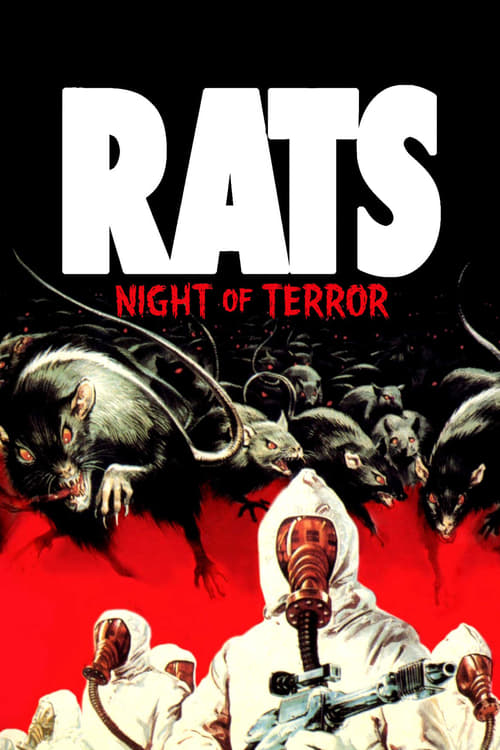
1984
NRDirector
Bruno Mattei, Claudio Fragasso
Runtime
97 minutes
Average Rating
No ratings yetNew Showbiz Analysis
Rats: Night of Terror is a visceral exploitation film that prioritizes shock value and genre clichés over social or multi-layered depth. The narrative focuses on primal survival in a post-apocalyptic wasteland, leaving little room for complex character development or diverse identity exploration. The film centers male-dominated factions and a homogeneous cast, while the setting depicts a breakdown of societal order. However, this chaos is used to facilitate horror rather than to examine cultural or systemic shifts. Ultimately, the work lacks meaningful representation across most categories, with character's ability to drive the story almost entirely subsumed by the central threat of the rat infestation.
Category Breakdown
The film does not explore LGBTQ+ identities or queer dynamics. It operates within a framework that assumes everyone is straight and cisgender.
Male characters dominate the power structures, especially among scavengers and prisoners. Female characters play secondary roles and have little control over their own stories.
The cast is relatively uniform, reflecting the film's Italian roots. The film does not use actors from diverse backgrounds or races.
The story shows a collapse of Western institutions and laws, using this chaos for horror rather than critiquing religion or capitalism.
There is no intentional representation of neurodivergence or physical disabilities. Impairments shown result from violence used as plot devices for gore.
Present on Screen
Limited or Absent
Official Synopsis
One hundred years after a nuclear war has devastated the planet, society has been reborn into two factions; the underground society and the scavangers above in the wastelands. A group of scavangers on bikes come across a town infested with flesh eating rats, and soon the gore is spilling everywhere.
2002
1983
1980

1972

1969
1955

1989
1980
No reviews yet. Be the first to share your thoughts on this movie!
Use the rating form above to leave a star rating and optional review.