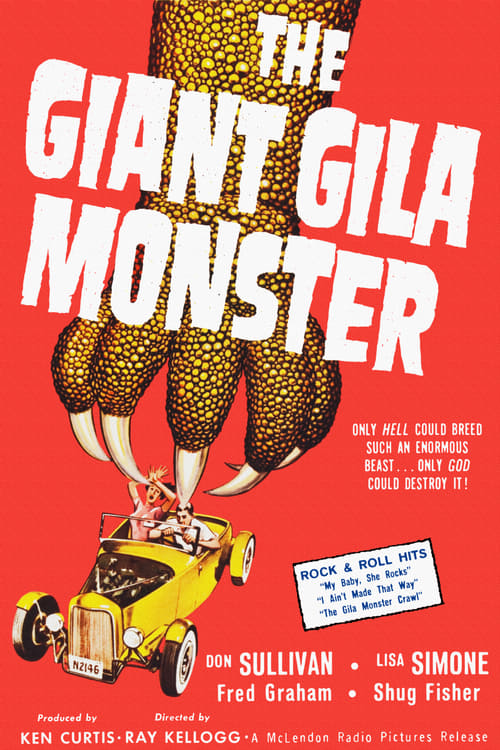
The Giant Gila Monster
1959
No user ratings available yet
Representation score: 0.3 out of 10
Representation Score
Minimal
1959
NRDirector
Bernard L. Kowalski
Runtime
62 minutes
Average Rating
No ratings yetNew Showbiz Analysis
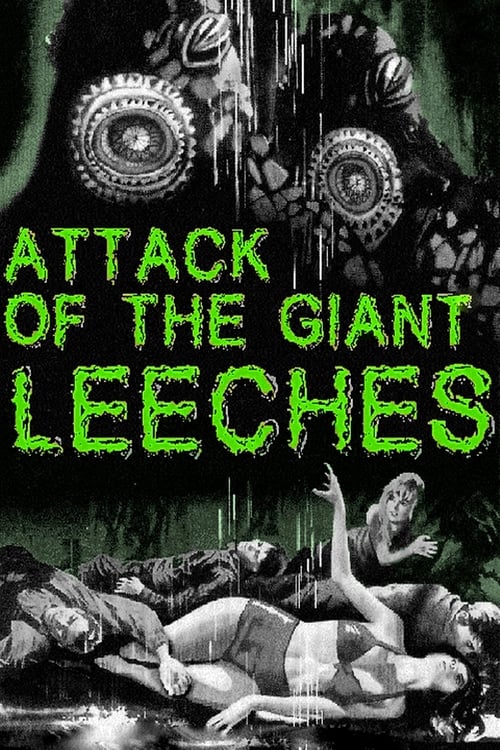
Attack of the Giant Leeches is a standard mid-century creature feature that prioritizes genre efficiency over social complexity. The narrative relies on traditionalist pillars, such as male-led problem-solving and a homogeneous social cast. The film reinforces the era's established demographic and gendered norms. It functions as a baseline for 1950s B-movies, focusing on environmental threats rather than disrupting cultural expectations. Ultimately, the work lacks multi-layered depth. It presents a culturally monolithic environment that seeks to preserve the status quo rather than challenge existing authority structures.
Category Breakdown
The film does not include any visible representations of LGBTQ+ identities or subtext. The social framework is strictly oriented toward straight relationships, reflecting the cinematic constraints of the late 1950s.
Male characters like the game warden and doctor play leading roles. Female characters have secondary, reactive roles within a patriarchal structure.
The cast is predominantly white, reflecting a homogeneous social landscape. The narrative does not engage with racial diversity or utilize race-bent casting.
The story operates within a traditional Western framework focused on institutional stability. It emphasizes the restoration of order rather than questioning systemic power.
There are no notable depictions of neurodivergence or physical disabilities. Characters are defined by the physical competence required for survival horror.
Present on Screen
Limited or Absent
Official Synopsis
A backwoods game warden and a local doctor discover that giant leeches are responsible for disappearances and deaths in a local swamp, but the local police don't believe them.
1959
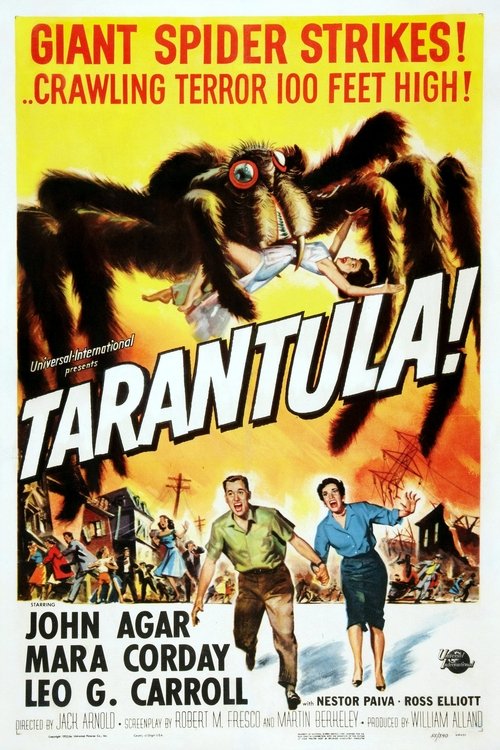
1955
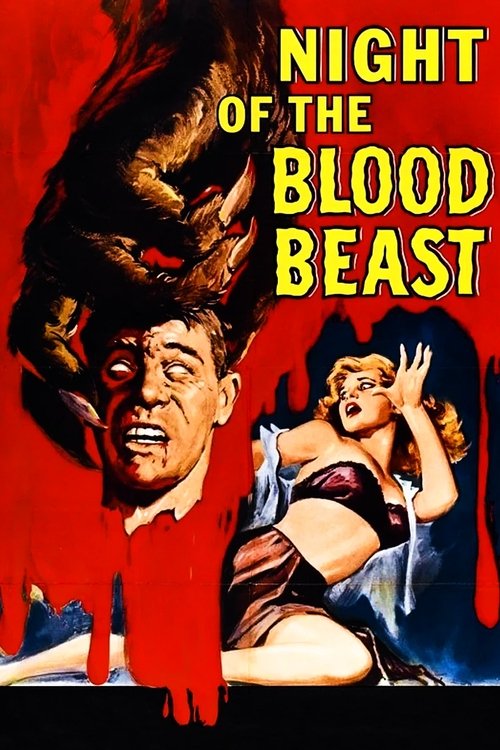
1958
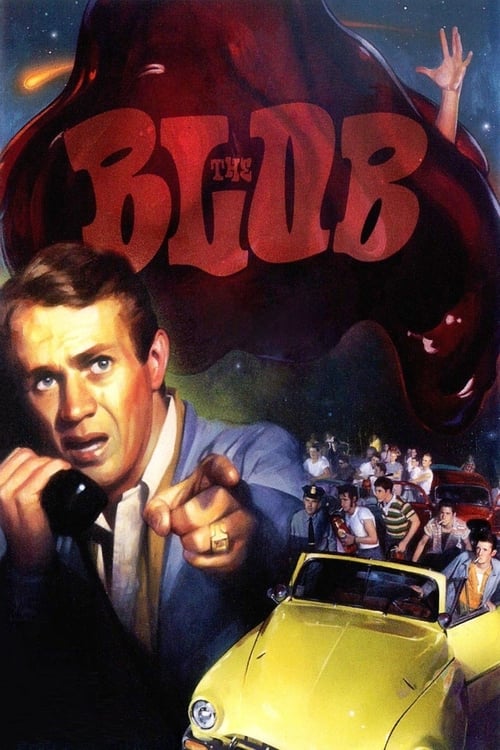
1958
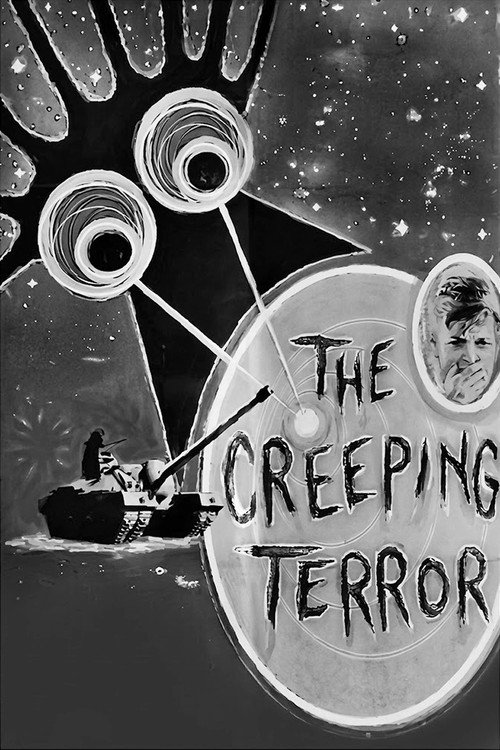
1964
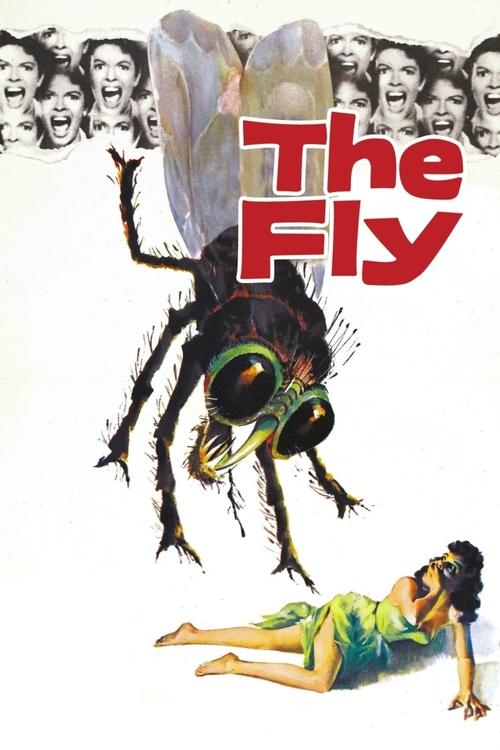
1958
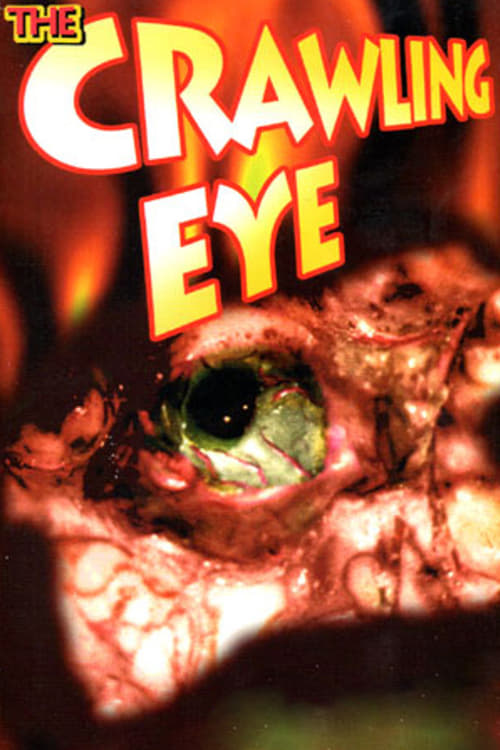
1958

1953
No reviews yet. Be the first to share your thoughts on this movie!
Use the rating form above to leave a star rating and optional review.