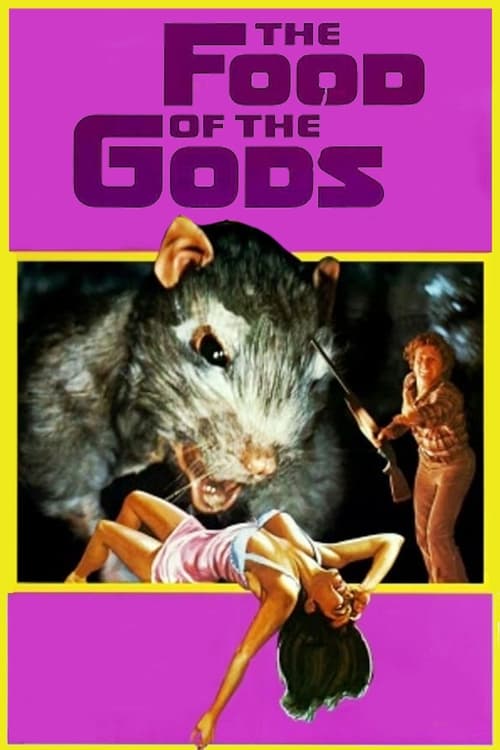
The Food of the Gods
1976
No user ratings available yet
Representation score: 0.5 out of 10

Representation Score
Limited
1989
RDirector
Damian Lee
Runtime
91 minutes
Average Rating
No ratings yetNew Showbiz Analysis
Food of the Gods II is a standard creature-feature that prioritizes visceral spectacle and biological horror over character depth. The narrative centers on a growth hormone experiment gone wrong, focusing on survival against man-eating rats. Because the film adheres to late-80s genre conventions, it lacks intentional exploration of social hierarchies or diverse identities. It functions as a conventional exercise in science fiction horror rather than a tool for social commentary. Ultimately, the film relies on established clichés of the era, resulting in a narrative that lacks significant representation of underrepresented groups or systemic subversion.
Category Breakdown
The film focuses on biological horror and survival, making it unlikely to include LGBTQ+ identities or perspectives. Representation in this category is probably minimal or entirely missing.
Female characters follow traditional horror archetypes from the late 1980s, often defined by their relationships to male protagonists or the central threat rather than challenging gender hierarchies.
Casting likely reflects the conventional demographics of the late 1980s. The film adheres to standard cinematic norms without evidence of a non-Anglo-Saxon majority cast.
The story operates within a traditional Western framework of scientific failure. It uses common science fiction clichés rather than engaging with diverse cultural or anti-capitalist critiques.
There is no indication that neurodivergence or physical disabilities are integrated with ability to act. Physical impairment is likely used as a vulnerability-based plot device rather than a nuanced portrayal.
Present on Screen
Limited or Absent
Official Synopsis
A growth hormone experiment gets out of hand, when the the resulting giant man-eating rats escape, reaking havoc on the unsuspecting campus. Much blood-letting follows.
1976
1974

1980
1990
1959
2001

1987
2007
No reviews yet. Be the first to share your thoughts on this movie!
Use the rating form above to leave a star rating and optional review.