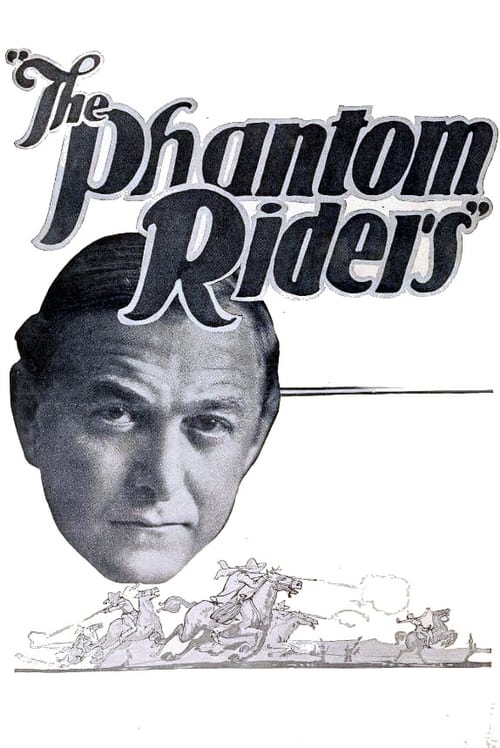
The Phantom Riders
1918
No user ratings available yet
Representation score: 1.7 out of 10
Representation Score
Minimal
1919
Director
John Ford
Runtime
30 minutes
Average Rating
No ratings yetNew Showbiz Analysis
John Ford's early work explores the tension between frontier identities and the encroaching influence of civilization. The film demonstrates cinematic sophistication through its use of flashbacks. However, it remains a traditional Western exploration of societal changes. The narrative focuses on masculine archetypes and the transition of power. It does not delve into the multi-layered depth or subversion of social hierarchies necessary for a higher diversity rating. Ultimately, the film serves as a study of societal shifts rather than a vehicle for progressive representation, reflecting the era's standard casting and social norms.
Category Breakdown
The film follows the conventions of early 20th-century society and does not include any LGBTQ+ characters or narratives that challenge the assumption that everyone is straight or cisgender.
The story revolves around a traditional masculine hero archetype. It does not explore diverse gender roles or challenge traditional gender hierarchies.
The film reflects the historical lack of diversity typical of the 1919 Western genre. It does not feature a diverse cast or characters who play a significant role in driving the story.
The narrative examines the tension between tradition and modernity through the hero's memories. It portrays civilization as an inevitable, transformative force rather than a corrupting one.
There is no documented evidence regarding the portrayal of physical or neurodivergent disabilities in the film.
Present on Screen
Limited or Absent
Official Synopsis
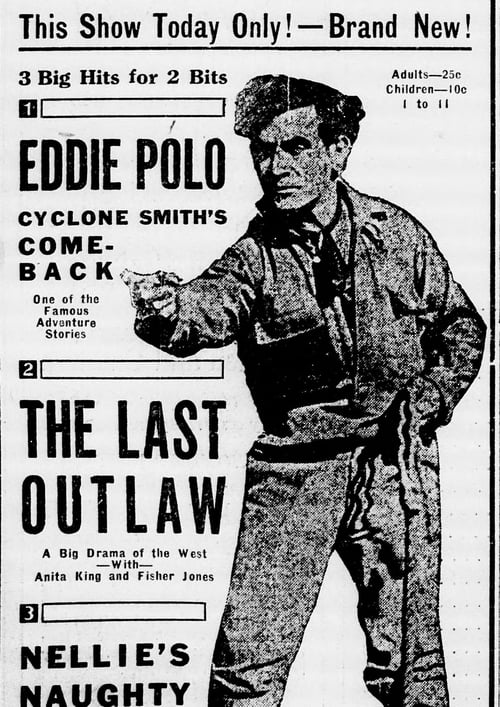
The Last Outlaw (1919) proved very tantalizing. An end-of-the-West Western, it shows its grizzled hero revisiting the town of his youthful exploits. But now, in an anticipation of Ride the High Country (1962), civilization has taken over. Cars chase Bud off the streets and the theatre features movies (Universal Bluebirds at that, a bit of product placement). Ford heightens the contrast by letting us into the hero’s memory, introduced by the title: “Memories of the past flashing back to him”—the earliest reference to the term “flashback” I recall seeing in the movies.
1918
1939
1918

1949
1924
1962
1929
1946
No reviews yet. Be the first to share your thoughts on this movie!
Use the rating form above to leave a star rating and optional review.