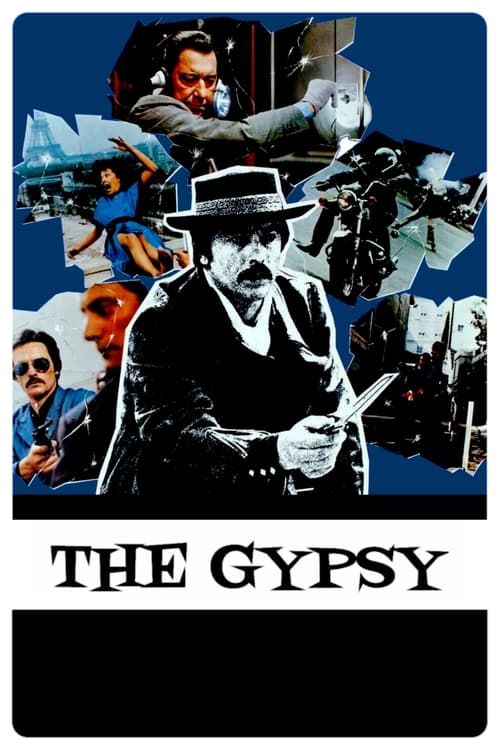
The Gypsy
1975
No user ratings available yet
Representation score: 2.7 out of 10
Representation Score
Good
1979
Director
Jaime Humberto Hermosillo
Runtime
120 minutes
Average Rating
No ratings yetNew Showbiz Analysis
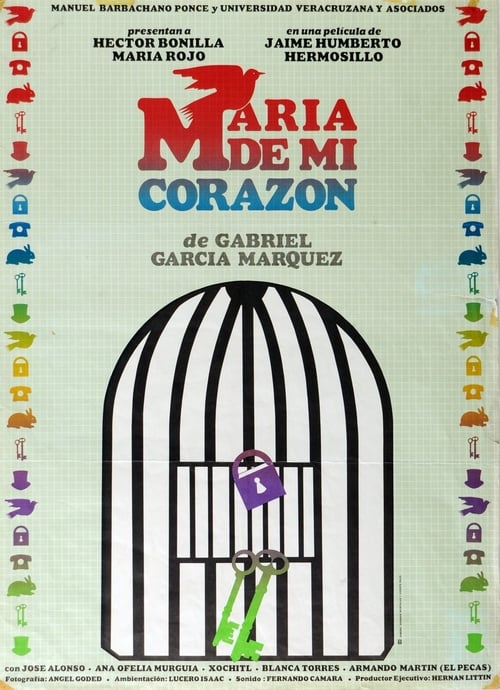
María de mi Corazón critiques mainstream social hierarchies by centering characters who operate on the fringes of legality and respectability. The film uses the professional shifts of its protagonists to explore themes of ability to act and systemic instability. The narrative structure effectively challenges traditional gender roles by giving the female lead significant control and influence. This departs from the more rigid social archetypes common in mainstream cinema of the era. While the film offers a strong localized perspective, it lacks explicit confirmation of specific LGBTQ+ identities or disability representation. However, the director's reputation for exploring transgressive boundaries suggests a deeper layer of social deconstruction.
Category Breakdown
The cabaret setting allows for expressions related to sexual fluidity and gender performance. While specific identities are not named, the director's history suggests an exploration of diverse sexualities.
María serves as the main driver of the story, exerting control over Héctor's career. This reversal of traditional roles challenges the usual power dynamic, positioning the woman as the architect of their reality.
The film centers on Mexican perspectives through its cultural roots. By focusing on characters on the margins of society, it explores the complexities of class and ethnic identity.
The story challenges traditional institutions by centering characters who exist outside legal and social norms. It prioritizes personal experiences over conventional morality and capitalist structures.
There is no evidence regarding the portrayal of physical or neurodivergent disabilities in the narrative.
Present on Screen
Limited or Absent
Official Synopsis
Héctor and María meet again after eight years of not seeing each other. She works as a magician in cabarets and he robs houses. María convinces Héctor to become a magician and work together. Life seems to smile on them until one day, when Maria travels to another city, the couple's situation will be overshadowed by an unfortunate event.
1975

1960
1966

2018

1980
1958
1964
1995
No reviews yet. Be the first to share your thoughts on this movie!
Use the rating form above to leave a star rating and optional review.