Trapeze Disrobing Act
1901
No user ratings available yet
Representation score: 0.8 out of 10
Representation Score
Minimal
1904
Runtime
1 minutes
Average Rating
No ratings yetNew Showbiz Analysis
This 1904 comedy serves as a brief glimpse into the backstage world of early 20th-century theater. It primarily highlights the costumes and their symbolic meanings rather than delving deeply into individual identities. The film leans on established social structures and traditional visual symbols. Although it includes minor disruptions through gendered costuming, it fails to provide the layered analysis or critical perspective needed for a progressive score. Overall, the film is a traditional piece of early cinema, capturing the social constraints of its era while emphasizing the backstage spectacle.
Category Breakdown
The film does not show any explicit representations of LGBTQ relationships or identities. A female performer wearing 'principal boy' attire provides a minor twist through costume, which is a traditional theatrical convention.
The film showcases various feminine archetypes through different costume styles. While the 'principal boy' role introduces a gender-bending element, the overall focus remains tied to the male gaze and traditional feminine charm.
There is no indication of a racially diverse cast. The production reflects the homogeneous casting practices common in early 1900s Western theater.
The film adheres to the conventions of traditional Western entertainment. The organized theatrical setting upholds the social order and professional decorum typical of the time.
No characters with visible or invisible disabilities are featured in this production. The narrative centers entirely on the theatrical performers in the dressing room.
Present on Screen
Limited or Absent
Official Synopsis
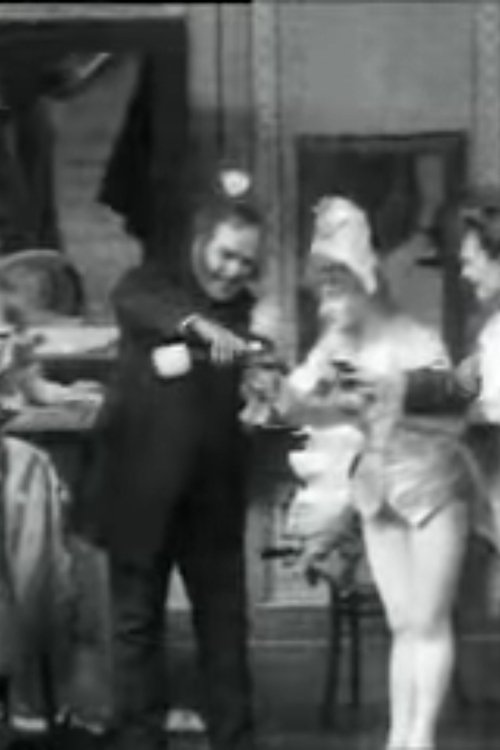
We see three pretty actresses in a surprisingly spacious and clean dressing room, backstage at a theatre. Their costumes indicate that the entertainment on offer here is something less than grand opera: one actress is dressed somewhat demurely, but another is in (by 1904 standards) a skimpy chorus-girl costume, whilst the third is dressed like the principal boy in a panto: fully covered, but in a form-fitting outfit that makes clear her feminine charms.
1901
1904
1905
1905
1905
1908
1899
1906
No reviews yet. Be the first to share your thoughts on this movie!
Use the rating form above to leave a star rating and optional review.